
SpudCell is the most advanced artificial life attempt yet, and it targets life's mystery
A new synthetic biology effort called SpudCell moves closer to answering what separates living from not-living.
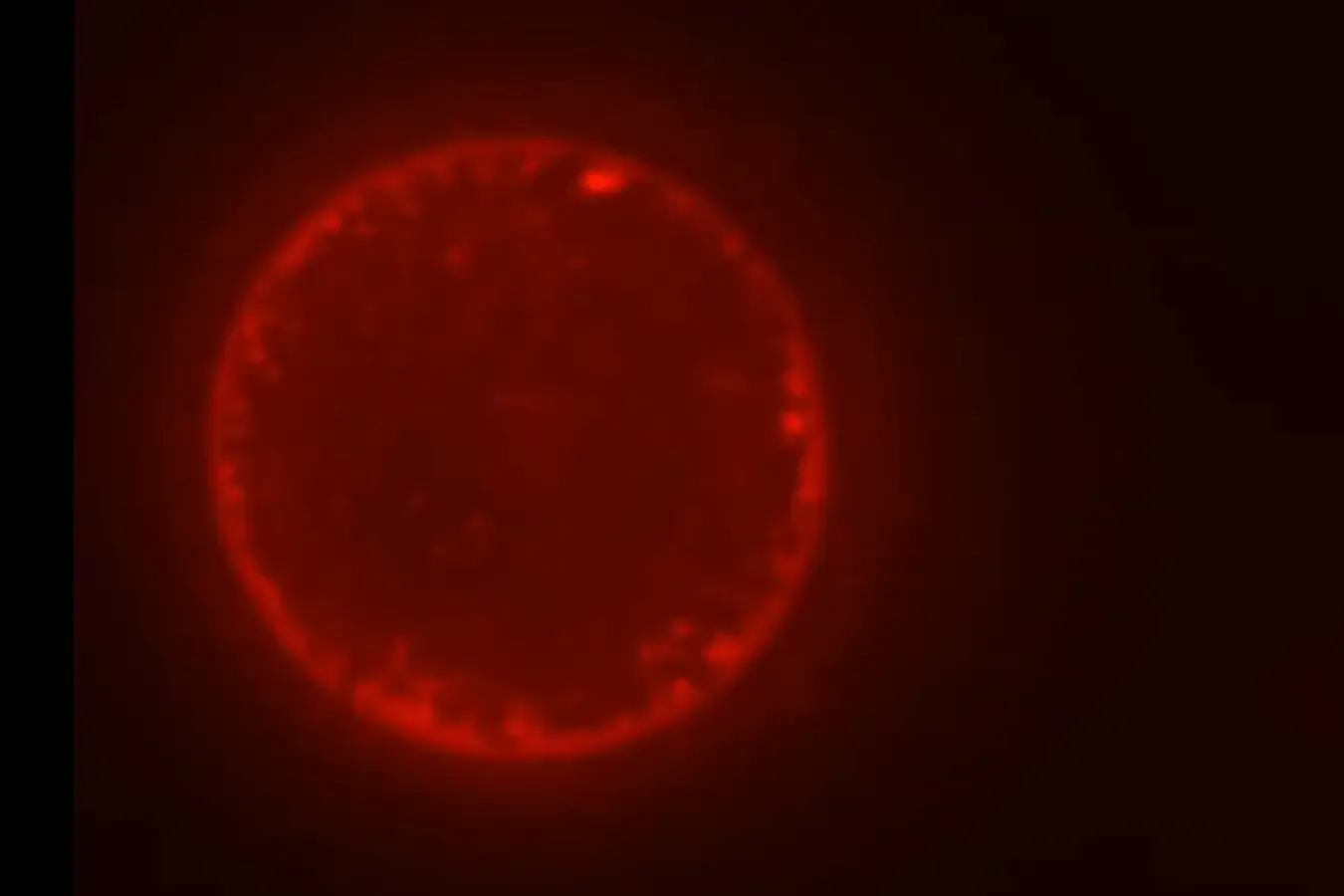
Synthetic biologists are pushing toward an answer to life's defining mystery with SpudCell, described as the most sophisticated attempt at creating an artificial life form yet. For decision-makers, the push signals a fast-moving frontier where scientific validation and regulation will matter as much as funding.
If you have ever wondered what makes something alive, you are not alone. New Scientist flags the uncomfortable truth: “We simply don't know.” That uncertainty is exactly why SpudCell matters. The synthetic biology project is being presented as “the most sophisticated attempt at creating an artificial life form yet,” and it is a direct attempt to get the field closer to an answer.
So what is SpudCell trying to do? The core goal is to build an artificial system that can help clarify the boundary between living and non-living. Instead of treating “life” as a vague concept, synthetic biologists are using engineered biology to pressure-test the definition. The article frames SpudCell as a step forward in that effort, meaning it is not just incremental tweaking, but a more ambitious construction designed to illuminate the rules of life.
For executives and investors, this is one of those rare scientific problems where the business impact can be enormous even before you get a commercial product. Synthetic biology typically translates breakthroughs into platforms: you improve how reliably biological systems behave, then you apply that reliability across medicine, manufacturing, and environmental tech. But a key constraint is that science still cannot point to a crisp, universally accepted checklist for “alive.” When the definition is fuzzy, evaluation becomes fuzzy too. That uncertainty affects everything downstream, from how regulators judge risk to how markets price “near-term” progress.
That is why the “life’s biggest mystery” framing is not just poetic. It is a spotlight on verification. If teams can engineer systems that meet increasingly convincing criteria, then multiple stakeholders start to align: scientists can compare results, investors can underwrite milestones, and regulators can begin to anchor decisions to observable behaviors rather than speculation. In the same way that software companies eventually needed to define what counts as uptime or security posture, synthetic biology may need an operational definition of life or something close enough for governance.
There is also a strategic dynamic inside the field. Projects like SpudCell attract attention because they signal technical ambition. When a team says it is the “most sophisticated attempt…yet,” that is a statement about capability. In practical terms, it implies the project is competing on design complexity, integration of biological functions, and the ability to demonstrate life-like properties in a controlled setup. Even if you are not a biologist, you can read the competitive subtext: this is how labs pull the frontier forward and how boards decide which grants, programs, and partnerships are worth backing.
Now add regulation and safety into the mix. Artificial life is not the same as conventional lab work, because engineered systems can raise novel questions about containment, persistence, and unintended effects. Across biosecurity and biosafety policy, regulators typically focus on risk pathways, not just the label attached to the organism. A higher-fidelity “artificial life” system could change what questions get asked, what evidence is required, and what oversight looks like. That means the second-order effect for decision-makers is timing: the better the demonstrations become, the sooner governance frameworks will need to adapt.
The broader market context is that synthetic biology is not waiting on a perfect definition of life. Companies already build tools that use biology’s mechanisms, and regulators already have categories for engineered biological materials. But SpudCell represents a more fundamental scientific push, and that can ripple. If the research succeeds in making “life” more measurable, the entire ecosystem could get more investable and more governable at the same time. The upside is faster validation and clearer milestones. The downside is a more urgent need for oversight, because the systems will look and act more like something that deserves closer scrutiny.
Ultimately, SpudCell is interesting because it attacks a foundational question with engineering rather than philosophy. New Scientist’s framing makes the stake plain: we do not know what makes something alive, and SpudCell is being treated as a serious attempt to close that gap. For executives and board members watching synthetic biology, the message is that scientific credibility, evidence quality, and regulatory readiness are becoming intertwined. If this frontier keeps moving, the winners will not just have the most funding. They will have the clearest proof, the strongest safety thinking, and the best ability to communicate what the technology can do and what it cannot.
This story's Key Insights and Take-aways are locked.
Create a free account to unlock Executive Actions for one credit.
Register to UnlockAlways free for Executives Club members. Join the Club
More in Science

Alaska's 1,580-foot tsunami had warning signs. Scientists just found them.
Rapid glacier retreat, heavy rainfall, and thousands of tiny tremors preceded Alaska's 1,580-foot tsunami, a warning for every coastal community in a warming world.

The rare mutation that lets high-risk brains dodge Alzheimer's
Scientists found a natural defense against protein buildup, opening a new path to preventive treatments.

3,000 steps a day may halve Alzheimer's decline, study finds
New research links a modest daily walk to less tau buildup and nearly half the cognitive and functional decline, even for those with early signs.