

Square Enix unveils HD-2D Final Fantasy Resonance, launching Oct 22 on 4 platforms
The first HD-2D mainline-style Final Fantasy arrives later this year, with a release date set for October 22.
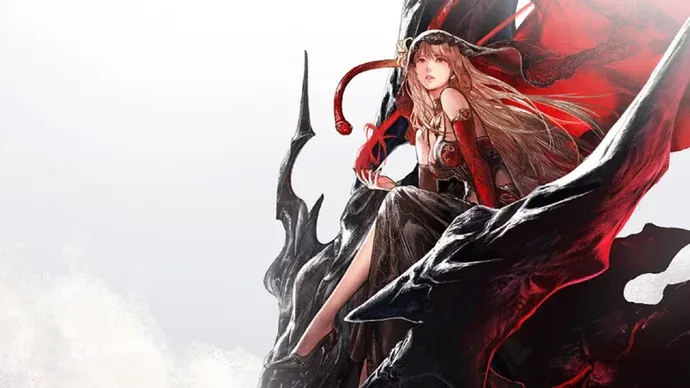
Square Enix confirmed during the June 2026 Nintendo Direct that it is building its first HD-2D Final Fantasy game, Final Fantasy Resonance. The game launches October 22 on PlayStation, Xbox, PC, and Nintendo Switch 1/2, shaping near-term platform and brand strategy decisions.
Square Enix just confirmed a big milestone: its first HD-2D Final Fantasy game, Final Fantasy Resonance, is arriving later this year on October 22. The announcement came as part of the June 2026 Nintendo Direct, and the release is set across PlayStation, Xbox, PC, and Nintendo Switch 1/2.
That matters for executives because this is not just another Final Fantasy SKU. It is a deliberate bet on a specific style and audience expectation, packaged under one of gaming’s most recognizable franchises, with a cross-platform window that runs through the biggest market hubs. If you are sitting in product, partnerships, or portfolio planning, you now have a concrete date and format to map against marketing spend, platform commitments, and internal roadmap timing.
Let’s unpack what the HD-2D move signals. HD-2D generally refers to a modern, higher-fidelity visual presentation paired with classic 2D-style character and environment composition. In practice, it tends to attract players who want the readability and nostalgia of older role-playing games, but with production values that feel current. Square Enix already knows this audience exists, but attaching the look to Final Fantasy is a different kind of risk and payoff. The brand carries enormous expectations, so the company is effectively testing whether the HD-2D aesthetic can become a reliable modern entry point into the franchise, not only a side flavor for niche tastes.
The source also notes the game’s roots in Brave Exvius, a now-shuttered mobile title. That detail is a clue to how the company is managing IP and production pipelines. When a mobile game shuts down, it usually leaves behind assets, learned design patterns, and a knowledge base about what players responded to. The executive takeaway is that platform transitions are rarely clean. Teams often preserve mechanics, art direction principles, and narrative scaffolding, then repackage them into a new console and PC-ready product. In other words, the “mobile era” never fully disappears. It becomes a resource pool, and sometimes it becomes a game design DNA transplant.
From a market perspective, Square Enix is choosing timing and distribution carefully. The October 22 launch date lands in the period when many publishers fight for late-year attention, right after summer’s announcement phase but before the holiday marketing peak becomes the only game in town. By shipping on PlayStation, Xbox, PC, and Nintendo Switch 1/2, it avoids the common mistake of betting too hard on a single platform ecosystem. That reduces revenue concentration risk and gives marketing more flexibility. For decision-makers, cross-platform scope also changes internal metrics: you no longer optimize only for one hardware audience, you optimize for different storefront behaviors, patch cadences, input expectations, and regional release-day dynamics.
And since the announcement specifically came during the June 2026 Nintendo Direct, Nintendo remains central to the story even if the game is not Switch-exclusive. Nintendo Directs are not just announcements; they are signals to partners and publishers about what fits the console narrative. Square Enix leveraging that stage implies the company wants credibility with Nintendo’s audience and ecosystem right now, not after launch. For boards and senior leaders, that is the kind of platform-facing alignment that can lower go-to-market friction, even if it does not eliminate execution risk.
Now for the second-order implications, because they affect more than gamers. First, HD-2D Final Fantasy can recalibrate how other teams think about “modernizing” older RPG structures. If it lands well, it becomes a template for franchise strategy: keep the core feel, modernize the presentation, and ship with confidence rather than rebuilding from scratch. Second, the Brave Exvius connection hints that mobile studios and mobile lessons are feeding the console pipeline. That can change internal resourcing decisions. If a company sees evidence that shuttered mobile IP can still generate a valuable new release, you get more pressure to formalize how those transitions happen: what gets archived, what gets re-used, and how quickly teams can convert past learnings into next-generation products.
Finally, there is a competitive stake for peers. When Square Enix announces a dated launch, it forces other publishers to adjust. Marketing calendars start to collide. Launch-day windows become negotiations, whether overt or just practical. If you are an executive at a publisher with a big RPG lineup, this is a reminder that brand-first announcements do not just add a game to the market. They raise the bar for visual distinctiveness, release planning, and cross-platform execution. Square Enix has effectively claimed a late-year slot for a stylistically distinct Final Fantasy, and October 22 is the line in the sand you can now plan around.
This story's Key Insights and Take-aways are locked.
Create a free account to unlock Executive Actions for one credit.
Register to UnlockAlways free for Executives Club members. Join the Club
More in Entertainment

Christopher Nolan’s “The Odyssey” posts his biggest Tuesday haul, surpassing “The Dark Knight’s” record
The film’s Tuesday breakout reframes Nolan’s box-office ceiling and forces competitors to rethink timing, budgets, and release strategy.

Kacey Musgraves cancels Aug. 20, 29, Sept. 2 Middle of Nowhere shows
Ticketmaster emails are telling fans refunds are coming, while the tour still starts Aug. 21 in Chicago.

Billie Joe Armstrong launches Epiphone Les Paul Junior and Marshall 1959BJA signature gear
Two limited releases turn decades of Green Day’s tone into branded hardware, including Marshall’s first artist amp in 14 years.