

Star Fox’s Switch 2 remake turns “more linear” into the best-looking showcase yet
Nintendo’s on-rails shooter remake proves Switch 2 muscle goes beyond scale, and it changes what “impressive” means.
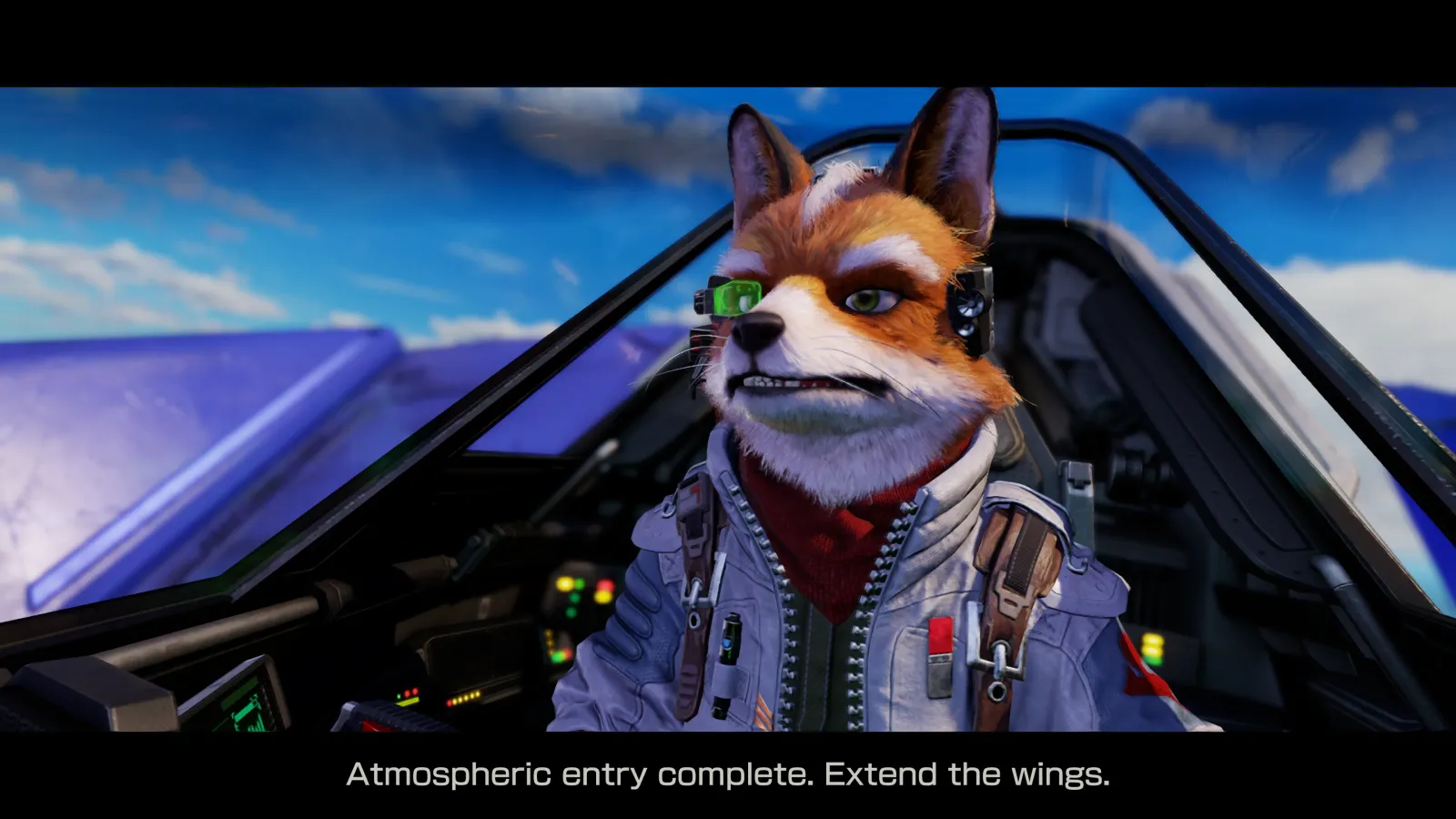
Star Fox arrives on Switch 2 as a remake of a Nintendo 64 game, and it stands out because it is an on-rails shooter with tightly choreographed action and spectacular set pieces. For decision-makers, it signals that Switch 2’s early exclusives are evolving from sheer size to controlled, cinematic performance.
The biggest surprise in Star Fox on Switch 2 is not the headline-sized stuff like open continents, breakable chaos, or Minecraft-style building. It is the opposite: a more linear, on-rails shooter structure that the designers use to choreograph action tightly and deliver what the source calls perhaps the best-looking game yet for the platform.
Star Fox is a remake of a Nintendo 64 game, and its design choice is the point. Instead of letting players roam freely and creating spectacle through scale, the game orchestrates moments directly in front of you. That “on-rails” approach matters because it gives the team a predictable camera path, controlled pacing, and the ability to stage set pieces like scenes. In practice, that translates to visuals that feel tuned, not merely upgraded.
To understand why this is a big deal for the Switch 2 narrative, look at what the early exclusives were already signaling. Mario Kart World introduced a wide open continent to race across. Donkey Kong Bananza leaned into smashable, almost everything-around-you chaos. Pokopia offered an expansive Minecraft-style creative experience in the Pokémon universe. Those are all forms of spectacle through freedom and bigness.
Star Fox is different because it suggests the platform can win even when the game is not asking players to fill an entire map with activity. A remake rooted in a Nintendo 64 era format could have been stuck chasing nostalgia. Instead, the source frames it as a visual showcase where the game’s more linear structure enables designers to craft what is perhaps the best-looking game yet for Switch 2. That is a meaningful statement, because it implies performance, rendering, and scene composition are being used deliberately rather than only stretched across large spaces.
There is also a second-order implication here for how teams develop premium experiences under real constraints. When you build open-world scale, you tend to be fighting for consistency across huge distances, unpredictable player behavior, and constant streaming of assets. When you build an on-rails shooter, you can commit to specific lighting setups, visual effects timing, and environmental transitions. You still need technical horsepower, but you can concentrate it. The source basically says Star Fox is at its best when it makes you feel like you are right there in the action, and that is exactly what tightly choreographed set pieces are designed to deliver.
If you are an executive tracking the market, the story is not just about one game looking good. It is about how the meaning of “impressive” can shift depending on the genre. The industry often equates wow-factor with size: more terrain, more enemies, more systems, more space. Star Fox pushes a different metric: visual impact through direction. That can change budgeting and production tradeoffs for other studios considering what kinds of demonstrations they should build for new hardware.
On top of that, this kind of showcase has downstream effects for platform positioning. Early in a console lifecycle, every exclusive is effectively a technical advertisement. The more the lineup is diversified, the harder it is for competitors to tell a single story about the hardware’s limits. If Switch 2 can support both expansive experiences like Mario Kart World and Pokopia and then also deliver a top-tier showcase through a linear shooter like Star Fox, it weakens the “your game needs to be massive to look good” argument.
There is no regulatory angle embedded in the source, so it is worth keeping the focus where it belongs: incentives and execution. Nintendo’s incentives are straightforward. Deliver a narrative of technical confidence. Prove the platform can handle flagship experiences across styles. Use remakes, too, as a way to reduce design risk while still delivering a fresh visual and pacing experience. For boards and leadership teams at developers, the takeaway is that platform success does not only come from novelty and scale. It also comes from craft, where structure itself becomes a performance tool.
For peers watching this space, the strategic stake is simple. If the best-looking Switch 2 game comes from a more linear, on-rails remake, then the next wave of high-stakes decisions in product planning, engineering prioritization, and creative direction will need to respect that reality. It is not enough to ask whether the hardware can render more. You have to ask whether your team can design moments that showcase what the hardware does best, and Star Fox is currently making a strong case that the answer is yes.
This story's Key Insights and Take-aways are locked.
Create a free account to unlock Executive Actions for one credit.
Register to UnlockAlways free for Executives Club members. Join the Club
More in Technology

Nvidia's $89B data center quarter: the 9 companies cashing in
The AI buildout is minting fortunes beyond GPUs, and memory, cloud, and cooling suppliers are riding the same wave.

Google quietly links your phone number to every Android account on your SIM
Adding a SIM now ties your phone number to all Google accounts - and future accounts inherit it. Here's the security and privacy stakes.

Hijacker AI 'Skynet mode' runs 100,000 attack steps against exposed models
Symantec caught a criminal AI agent that borrows other models, steals data, and mines crypto; the only relief is no confirmed victims yet.