

Starmer calls his resignation decision “intensely personal” in first BBC interview
The outgoing UK PM tells the BBC it was “really tough” to accept his political career was over, and why it matters.

Keir Starmer, the outgoing UK prime minister, tells the BBC in his first interview since resigning that accepting his political career was over was “really tough.” For leaders and boards, the moment is a reminder that even exit decisions are high-stakes governance events, not personal theater.
Keir Starmer is describing the moment he stepped away from Downing Street as more than a procedural transition. In his first interview since resigning, the outgoing prime minister tells the BBC it was “intensely personal,” and that accepting his political career was over was “really tough.”
That opening matters because resignations from the top are usually framed as strategy, optics, or process. Starmer is doing something rarer. He is pulling back the curtain on the human cost of the decision, directly telling the BBC that it was hard to accept the end of his political career. The result is an untypically candid interview that shifts the story from “what comes next” to “what this cost on the way out.”
There is a governance lesson hiding in the emotion. In any high authority role, the exit is a concentrated stress test of leadership, succession planning, and institutional continuity. The public sees the resignation headline. The institutions feel the knock-on effects behind it: staff morale, the credibility of near-term policy plans, and the urgency for an orderly handover. Even when a leader believes the decision is correct, letting go of a central mission can be psychologically demanding, and that demand can influence how confidently the next phase is executed.
Think about why executives care about this story even if you are not in UK politics. Companies run on similar cycles of commitment and transition. You build a platform, you operationalize it, and then you eventually confront the moment when your authority and mandate shrink. The difference is that the stakes in politics are immediate and visible. In business, they show up in slower-motion ways: investor expectations, stakeholder patience, and the board’s ability to preserve strategic momentum when the top role changes.
Starmer’s framing also lands in a media environment that constantly rewards certainty. An “untypically candid” interview is a signal that the narrative is not just about accomplishments or legacy. It is about what leadership feels like when the job stops. That candor can shift how audiences interpret subsequent decisions from a government or any organization, because it encourages a more nuanced reading of what leaders do when they leave rather than what they say when they arrive.
Second-order implications follow quickly. When a departing leader publicly acknowledges that the exit was “really tough,” it can change how quickly followers assume the transition is fully resolved. In organizations, that can translate to lingering questions about priorities, internal direction, and the firmness of what the incoming leadership will inherit. The board dynamics are similar in principle: a board needs to ensure a clean continuity line, but it also has to manage the informational vacuum that can form immediately after resignation.
There is also a communication advantage. Executives who understand the “human factor” without turning it into a distraction often perform better in transition periods. The point is not that feelings replace strategy. The point is that acknowledging reality can reduce friction, because it makes the leadership change feel less like an abstract corporate maneuver and more like a real life event with real constraints. Starmer telling the BBC it was tough to accept his political career was over reinforces that constraint.
For decision-makers watching from any sector, the strategic stake is continuity under emotional strain. Leadership transitions can derail momentum, not because successors are incompetent, but because the organization tries to “skip” the grief and adaptation phase. Starmer’s comments remind us that even planned exits carry an internal cost. That cost can be invisible in timelines and formal announcements. But it can still shape how quickly new leadership sets priorities and how confidently stakeholders interpret the next steps.
In short, this is not just an interview about a resignation. It is a window into the hardest part of the job, leaving. Starmer’s “intensely personal” description and his “really tough” admission to the BBC make the transition feel concrete, and that concreteness is exactly what leaders and boards need to understand when they plan their own handovers.
This story's Key Insights and Take-aways are locked.
Create a free account to unlock Executive Actions for one credit.
Register to UnlockAlways free for Executives Club members. Join the Club
More in Politics

Glacial collapse, not rain, killed 180 in Nepal's Himalayan flood
The Himalaya's extreme geography hid the true cause of Nepal's catastrophic flood, a glacial collapse that turned a geological battleground into a mass-casualty zone.

Iran’s Esmail Baghaei says Oman talks start shipping via Hormuz, not US talks yet
Temporary route plans with Oman aim to restart commerce while Tehran says Washington dialogue is not on the table.
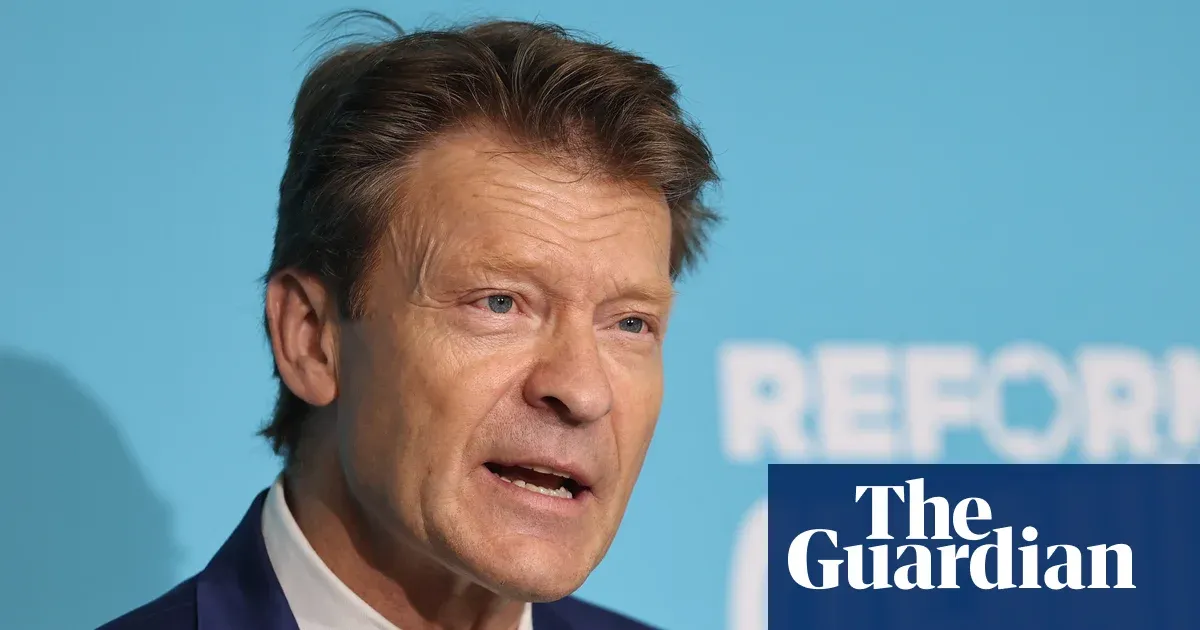
Standards watchdog opens probe into Reform UK deputy leader Richard Tice over interests
The parliamentary standards commissioner says it began an investigation on 28 July into a possible undeclared interest.