

Starmer warns Andy Burnham diplomacy cannot take a backseat
In his first BBC interview since resigning, Keir Starmer tells likely successor Andy Burnham international affairs will remain unavoidable.
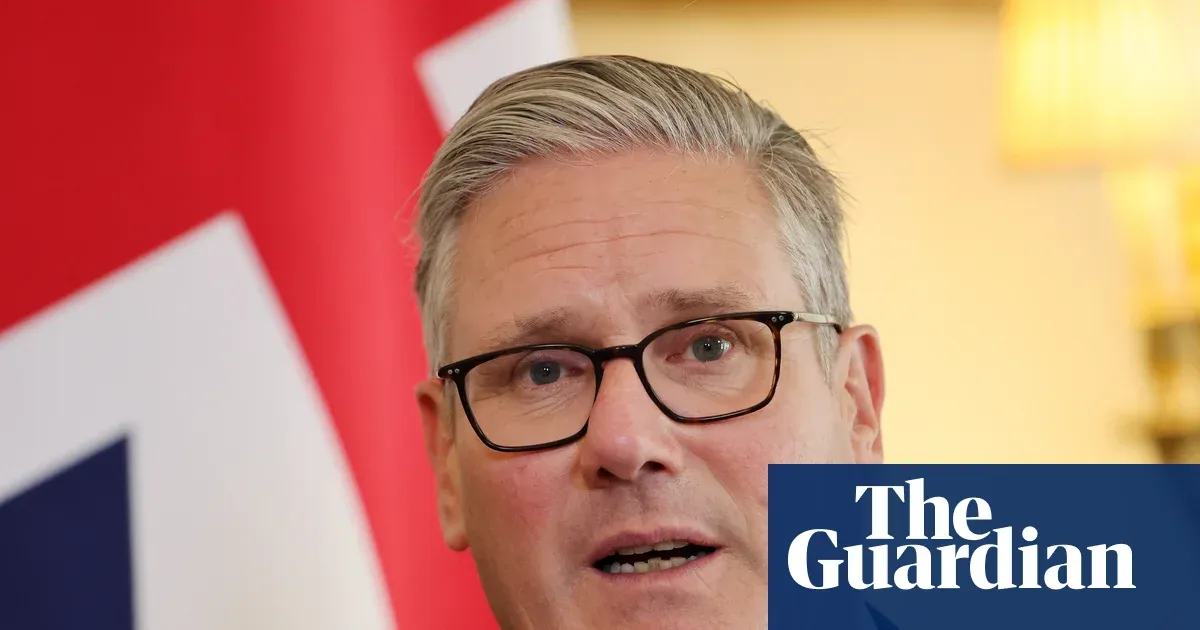
Keir Starmer, in a BBC interview, warned his likely successor Andy Burnham that it will not be possible to spend less time focusing on international affairs. He also described his “intensely personal” decision to announce his resignation last month after two years as prime minister.
Keir Starmer used his first BBC interview since resigning to deliver a blunt message to Andy Burnham: you are not going to be able to cut back on diplomacy. Starmer warned his likely successor that it will not be possible to spend less time focusing on international affairs, a signal that the job he is handing over is not getting easier, just changing hands.
That same interview also centered on Starmer’s own timeline and mindset. He spoke of his “intensely personal” decision to announce his resignation last month, after two years as prime minister. Translation: even as the political theater moves forward, the governing machinery still has to keep turning, especially where it touches the outside world.
Why does this matter beyond Westminster headlines? Because foreign policy, even when it looks like speeches and summits, drives real domestic outcomes. International affairs can shape energy prices, trade flows, security planning, and the budget assumptions governments build for years. When a leader says “diplomacy can’t take a backseat,” they are effectively telling their successor that the national calendar will not reset just because there was a leadership change.
There is also an incentive story here, even if this is not corporate governance. Leaders inherit crises and commitments they cannot simply pause. Diplomatic engagement is often what keeps a disagreement from becoming a rupture. It also tends to be negotiated across timelines that do not care who is in office. So when Starmer warns Burnham it will not be possible to focus less on international affairs, it is a warning about operational reality, not a demand for constant headlines.
From a decision-making perspective, think of diplomacy as a “parallel track” that runs alongside domestic policy. Domestic initiatives can be drafted, consulted, revised, and launched on a relatively controlled cycle. International affairs often move on different rhythms: urgent escalations, scheduled negotiations, and partner commitments that have already been set. Starmer’s warning implies that Burnham will need to keep resources, attention, and staff capacity pointed outward, even if political capital is being spent inward on the transition.
Starmer’s reference to an “intensely personal” decision to resign adds a human layer to a process that otherwise looks institutional. Resigning after two years as prime minister is not only a strategic move for the party and the country. It is also a high-pressure moment for the person making it. That is relevant because leadership transitions can create a “vacuum of certainty” right when the next leader needs clarity. By speaking directly about his decision in his first post-resignation interview, Starmer is doing the opposite of creating confusion. He is drawing a line under his own chapter and, at the same time, setting expectations for the chapter Burnham is stepping into.
This is also a reminder that diplomacy is not optional for countries with global economic and security exposure. Even when the public narrative feels national, governments are plugged into cross-border systems. Trade rules, alliances, regulatory alignment, sanctions regimes, and international standards can all come back to UK domestic policy debates. In that sense, “international affairs” is not a side quest. It is part of how domestic policy stays funded, stable, and credible.
For executives and board members who follow politics as a risk input, the second-order implication is simple: expect continuity in the burden, not necessarily the style. A new leader may change tone or priorities, but Starmer’s warning suggests the core workload remains. That affects how businesses, regulators, and investors think about policy pipelines. When diplomacy stays central, external shocks can remain a key driver of uncertainty, and decision-makers will need to plan for more frequent cross-border interactions and policy knock-ons.
Burnham will also inherit the political choreography that comes with being “likely successor” while the current leader is still actively shaping the narrative. Starmer’s message reduces the room for a comfort fantasy that international affairs can be dialed down. Instead, it frames diplomacy as a non-negotiable lever, one that demands time from the top of government.
In short: Starmer told Burnham, in his first BBC interview after resigning, that cutting back on diplomacy is not on the table. And he paired that expectation-setting with his own “intensely personal” decision to step down last month after two years as prime minister. The governing lesson is that transitions do not pause global responsibilities. If you lead next, the outside world is still part of the job description.
This story's Key Insights and Take-aways are locked.
Create a free account to unlock Executive Actions for one credit.
Register to UnlockAlways free for Executives Club members. Join the Club
More in Politics

Glacial collapse, not rain, killed 180 in Nepal's Himalayan flood
The Himalaya's extreme geography hid the true cause of Nepal's catastrophic flood, a glacial collapse that turned a geological battleground into a mass-casualty zone.

Iran’s Esmail Baghaei says Oman talks start shipping via Hormuz, not US talks yet
Temporary route plans with Oman aim to restart commerce while Tehran says Washington dialogue is not on the table.

Standards watchdog opens probe into Reform UK deputy leader Richard Tice over interests
The parliamentary standards commissioner says it began an investigation on 28 July into a possible undeclared interest.