
State Department handpicked no-bid human rights grants for Europe and white South Africans
Internal rules were built for open competition. ProPublica reports Trump officials bypassed it, raising alarms about political leverage.
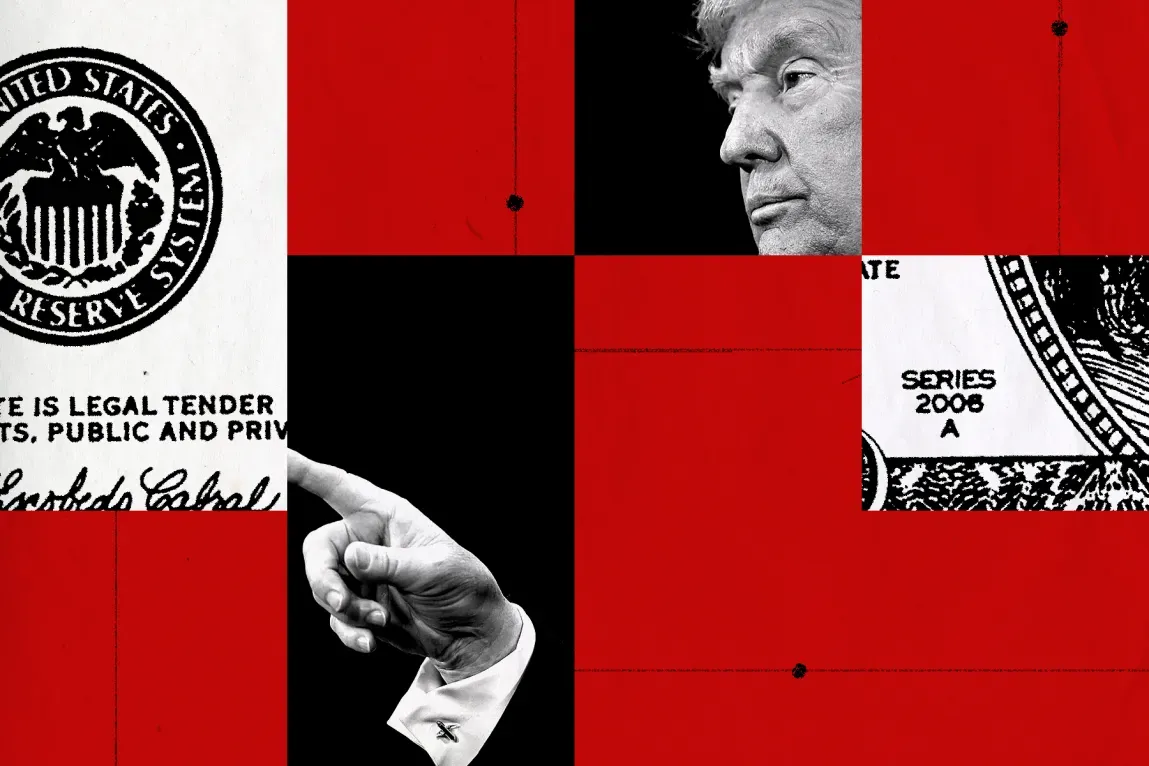
Trump administration officials at the U.S. State Department proposed at least a dozen human-rights grants that would bypass the normal open bidding process, including funding aligned with right-wing causes in Europe and advocates for white South Africans. The plan has triggered congressional concern over governance, waivers for high-income awards, and potential political influence in allied democracies.
For decades, the U.S. Department of State funded human-rights and free-speech work through a system designed to minimize politics: subject-matter experts review evidence of abuses and run an open competition to decide who gets grants. This year, ProPublica reports Trump administration officials presented State Department workers with a list of organizations they wanted funded, and at least a dozen proposed grants would bypass the normal open bidding process.
The scale and direction of the proposals are what has staffers and lawmakers alarmed. Among the expected awards were taxpayer dollars for groups aligned with conservative and anti-immigration movements in Europe and advocates for white South Africans, according to interviews and documents reviewed by ProPublica. One described program offers $4.9 million in competitive funding for efforts framed as “civilizational self-confidence in Europe,” with a call for “research, conferences, cultural engagements, and support for civil society” in wealthy democracies. Even where the grants look like they could fit the human-rights lane on paper, the method and targets have become the flashpoint.
To understand why this matters, you have to understand how grant governance is supposed to work. Strict agency rules have long required an open bidding process whenever possible, as a guardrail against waste, fraud, and abuse. There are exceptions. The State Department can offer awards directly to a single entity, or to a small group of potential grantees, in rare situations such as when only one organization is capable of the work, or when an emergency makes open competition impossible. It has also used “sole-source” and “limited-source” awards, often not publicly announced, in highly sensitive countries where openly working on human rights can be dangerous. None of those justifications appear to apply, according to contracting experts and former staffers consulted by ProPublica.
And this is not an abstract bureaucratic complaint. Directing awards to organizations in high-income countries is itself unusual enough that an internal waiver is typically required. ProPublica reports that the State Department did not answer when asked whether it had sought waivers for the grants to high-income countries. The lack of clarity is part of why Congress got involved. During private briefings this month, members of Congress expressed concern about both the list of potential recipients and the plan to award no-bid or limited-bid grants, according to officials familiar with the closed-door meetings who were not authorized to publicly discuss them.
The reporting also points to a specific individual and a specific office. Internal records and interviews show one key figure involved in the grants is Samuel Samson, a 27-year-old deputy assistant secretary of state. On the day of President Donald Trump’s second inauguration, Samson started work as a senior adviser to the Bureau of Democracy, Human Rights and Labor, also known as DRL, the State Department unit that selects and distributes the human rights grants. ProPublica says Samson previously worked as a fundraiser for a group aiming to bring people with an “America first” worldview into government, and that over the past 18 months he courted far-right leaders in Europe, which he believes the U.S. shares a “common civilizational struggle.”
ProPublica also reports that, in recent weeks, Samson defended the grantmaking plans during private meetings with lawmakers. That context helps explain why lawmakers are not just worried about which groups might receive money, but about how the decisions were made. One former bureau staffer told ProPublica that it is “not good governance” to have political appointees give grants to individuals for unknown reasons. In other words: boards and executives in the private sector recognize this instinctively. When decision rights shift away from established criteria toward handpicked pathways, trust stops being a vibe and becomes a risk metric.
Among the organizations described as expected to receive a no-bid grant is the Free Speech Union, a British organization founded in 2020 to counter “cancel culture.” ProPublica says the group often steps in to defend people accused of being transphobic and has created a petition opposing the U.K.’s proposed ban on discredited therapy practices that attempt to convert gay people to heterosexuality. It is unclear whether the grant would go to the British-based organization or its international offshoot. According to a document reviewed by ProPublica, a $5 million grant would be used to combat “digital overregulation,” provide support for individuals facing “deplatforming,” and advocate against “restrictive online safety and hate speech laws.”
Scholars quoted in the story argue the grants could give such groups legitimacy they might not otherwise have. William Allchorn, a U.K. extremism expert at Anglia Ruskin University, said in response to ProPublica’s reporting that he has “never before seen U.S. government funding for such groups,” adding, “It’s crossing the Rubicon, isn’t it?” ProPublica also notes that Trump officials met with the group during a European tour late last year, according to Politico. The Free Speech Union’s website says it is nonpartisan and does not take government funds.
Congress has said it expects the State Department to pursue human-rights outcomes through democratic safeguards, and lawmakers are signaling that the governance question is inseparable from the policy question. Sen. Jeanne Shaheen, a Democrat from New Hampshire and the ranking member of the Senate Committee on Foreign Relations, told ProPublica that Congress expects the State Department “to invest resources to advance human rights, democratic institutions, civil society, freedom of expression and worker rights,” and called the proposals “an appalling departure from that practice and an affront to our democratic allies.” She said the awards suggest the Department intends to select awardees based on political ideology, “not in the interest of American taxpayers or national security.”
The State Department, for its part, sent a short written response saying programs are still in active deliberation and receipt of a grant is not guaranteed for any organization that does not meet all requirements and standards for federal grants. A named, unnamed official stressed that the process is ongoing and that multiple offices provide input, and said the administration has serious concerns about the human rights situation in South Africa that need to be addressed. For decision-makers, the deeper stake is what this all signals to regulators and grantees across allied democracies: if grantmaking mechanisms tilt toward ideological alignment, then even “human rights” budgets can become a tool that reverberates through domestic politics, online rules, and the legitimacy of political causes.
For executives and board-level readers watching the intersection of policy, money, and influence, this story lands like a governance warning label. When exceptions multiply, when waivers are unclear, and when awards go to high-income democracies without a clean justification, the second-order effect is predictable: trust in the funding pipeline erodes, and the political cost of compliance rises for everyone in the ecosystem. Tomorrow’s organizations that want grants, credibility, and stability might find they are competing not just on programs, but on alignment and process access.
This story's Key Insights and Take-aways are locked.
Create a free account to unlock Executive Actions for one credit.
Register to UnlockAlways free for Executives Club members. Join the Club
More in Politics
Trump’s election claims rely on declassified documents, but still show no past fraud evidence
In Thursday’s White House address, Trump cited vulnerabilities and China-linked interference warnings, without proving past election fraud.
Newsom says Trump’s election-security doubts are “tin foil,” warns of midterm meddling
In a 53-second takedown, California’s governor argues Trump is laying groundwork for election interference.

Trump Endorses Darline Graham for Senate, Turbulence Erupts in South Carolina Primary
The president picks Senator Darline Graham as the heir to Lindsey Graham, reshaping a race that was getting crowded.