
Trump’s election claims rely on declassified documents, but still show no past fraud evidence
In Thursday’s White House address, Trump cited vulnerabilities and China-linked interference warnings, without proving past election fraud.
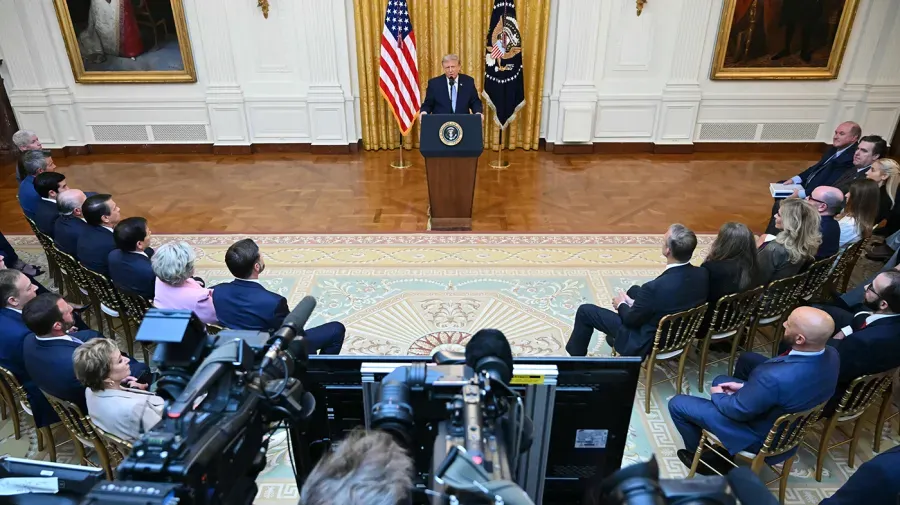
President Trump used a Thursday primetime White House address to allege vulnerabilities in the American election system and point to newly declassified documents. For decision-makers, the key consequence is reputational, regulatory, and operational pressure, without the smoking gun for prior elections.
President Trump’s Thursday primetime address from the White House alleged vulnerabilities in the American election system. But the information shared largely did not reveal anything new, and it also did not provide evidence that any election results from years past were fraudulent.
Trump used the moment to direct attention to newly declassified documents, which he said suggest foreign adversaries, particularly China, could interfere with future American elections. The thrust matters, not just politically, but operationally: even without new proof of past fraud, public claims about foreign interference can quickly reshape how companies, boards, and regulators think about risk, scrutiny, and communications.
Here is the core mismatch embedded in the episode. The president framed the issue as an election system under threat, pointing to documents that imply future interference risk. Yet, according to the reporting, the address largely did not deliver what a typical “fraud case” would require if the claim were about specific past results: evidence that outcomes from years past were fraudulent. That difference between “system may be vulnerable and foreign actors may try again” and “past results were illegitimate” is not academic. It affects how seriously institutions treat the claims, what evidence standards apply, and how quickly policy and compliance responses harden.
For executives and boards, this is where second-order effects show up. When high-profile political narratives spotlight vulnerabilities, organizations often get pulled into a compliance and reputational scramble even if the underlying claims are not evidential. The business impact is usually indirect but real: more questions from partners and customers, more attention from regulators, and more demand for risk assessments around election-adjacent topics like cybersecurity, misinformation preparedness, and foreign-influence reporting. The address may not establish fraud in prior elections, but it can still raise the perceived likelihood of interference attempts moving forward.
There is also a regulatory framing issue. Newly declassified documents can change what is considered “public” information and can set the agenda for agencies, lawmakers, and oversight bodies. Once information is declassified, it tends to travel beyond political circles, landing in risk frameworks that govern everything from incident response planning to vendor due diligence. Even if those documents do not prove wrongdoing in past cycles, they can still become inputs to policy discussions and compliance expectations, especially when foreign adversaries are named.
The mention of China as a focal point is another lever with broad implications. Foreign influence concerns tend to cut across borders, and they usually trigger cross-functional work inside firms: legal teams for disclosure and messaging risk, security teams for technical controls, government-relations teams for monitoring, and audit committees for governance oversight. You do not have to agree with the politics to recognize the operational reality. The narrative can become a forcing function, even where evidence is thin on a specific allegation.
It is worth noting how the address landed, based on the report: the president’s claims alleged vulnerabilities, but the information largely did not add novelty and did not provide evidence of past election fraud. In a world where executives are constantly managing information overload, that matters. If stakeholders conclude the claims are repeating familiar allegations without new substantiation, the pressure may shift from “prove this past outcome was fraudulent” to “prepare for future threats and possible interference attempts.” That shift can still drive spending and process changes, but it changes what “success” looks like for compliance and risk teams.
Strategically, peers in similar roles should treat this as a governance signal, not a courtroom verdict. Even when a narrative does not produce evidence of fraud in prior elections, leaders must still anticipate downstream scrutiny. Expect more demands for clarity in communications, more insistence on structured risk management, and more board-level attention to how the organization monitors threats tied to misinformation and cyber risk.
Bottom line: Thursday’s White House address alleged election vulnerabilities and pointed to newly declassified documents suggesting foreign adversaries, particularly China, could interfere with future elections. But the reporting indicates the address largely did not reveal new information and did not provide evidence that any election results from years past were fraudulent. That combination, “future threat warning without past proof,” is exactly the kind of scenario that turns into compliance workload and reputational risk for organizations operating in an increasingly politicized environment.
This story's Key Insights and Take-aways are locked.
Create a free account to unlock Executive Actions for one credit.
Register to UnlockAlways free for Executives Club members. Join the Club
More in Politics
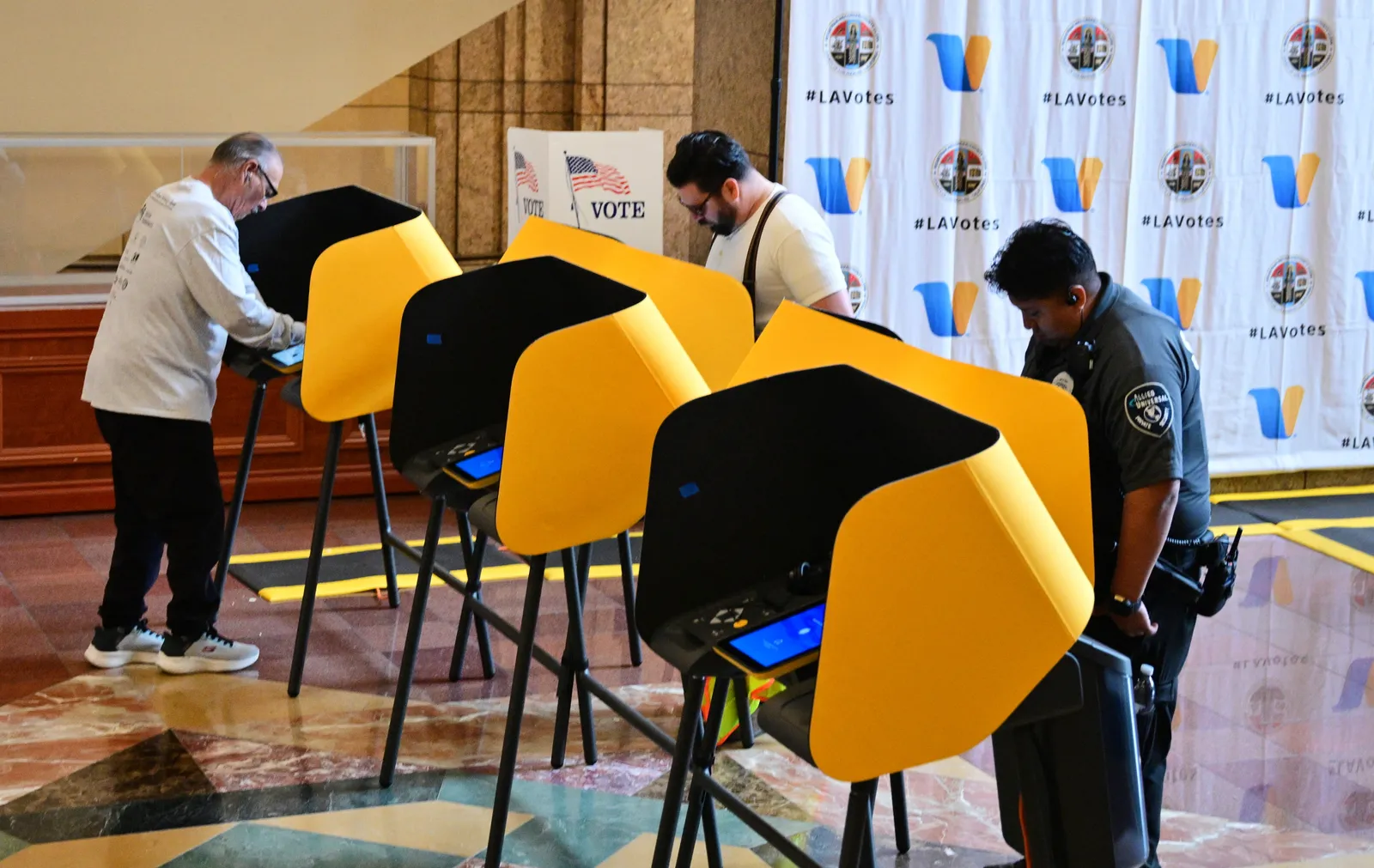
LA County: DOJ's 20,000 'noncitizen' voter list is 'unreliable,' includes U.S.-born
Preliminary review by Los Angeles County election officials finds errors in the federal list, raising the stakes for voter roll integrity ahead of November.
Trump's $1.5B Pentagon chip investment lands in North Carolina
A $1.5 billion defense infusion for North Carolina chipmaking signals a new era of Pentagon-backed reshoring - here's what it means for the industry.
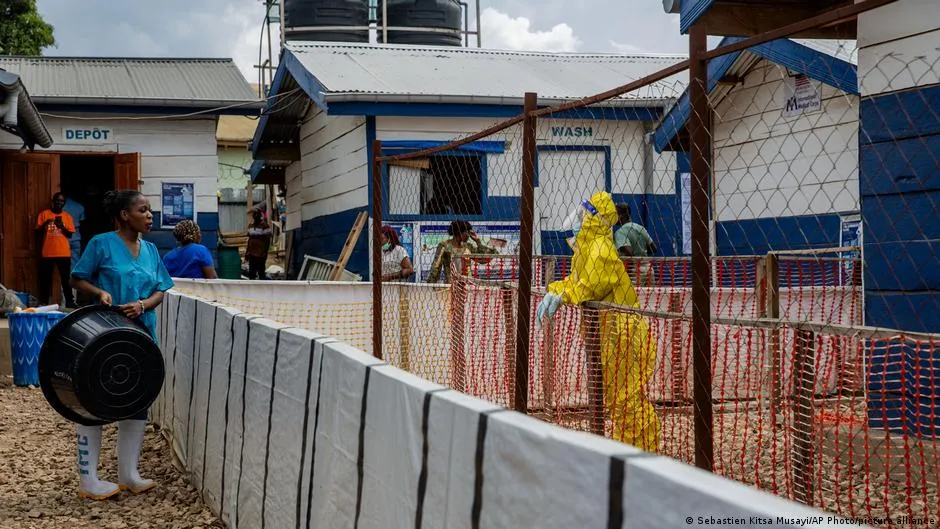
Nigeria confirms first Ebola case in Abuja, a woman just off a Uganda flight
Health Minister Muhammad Ali Pate says the patient flew in from Uganda, putting Africa's latest outbreak on Nigeria's doorstep.