
Steve Lacy sets July 17 for Oh yeah? and drops new single
Lacy is pushing a fully self-made album via RCA Records, which raises the bar for how personal branding, creative control, and release timing can work together.
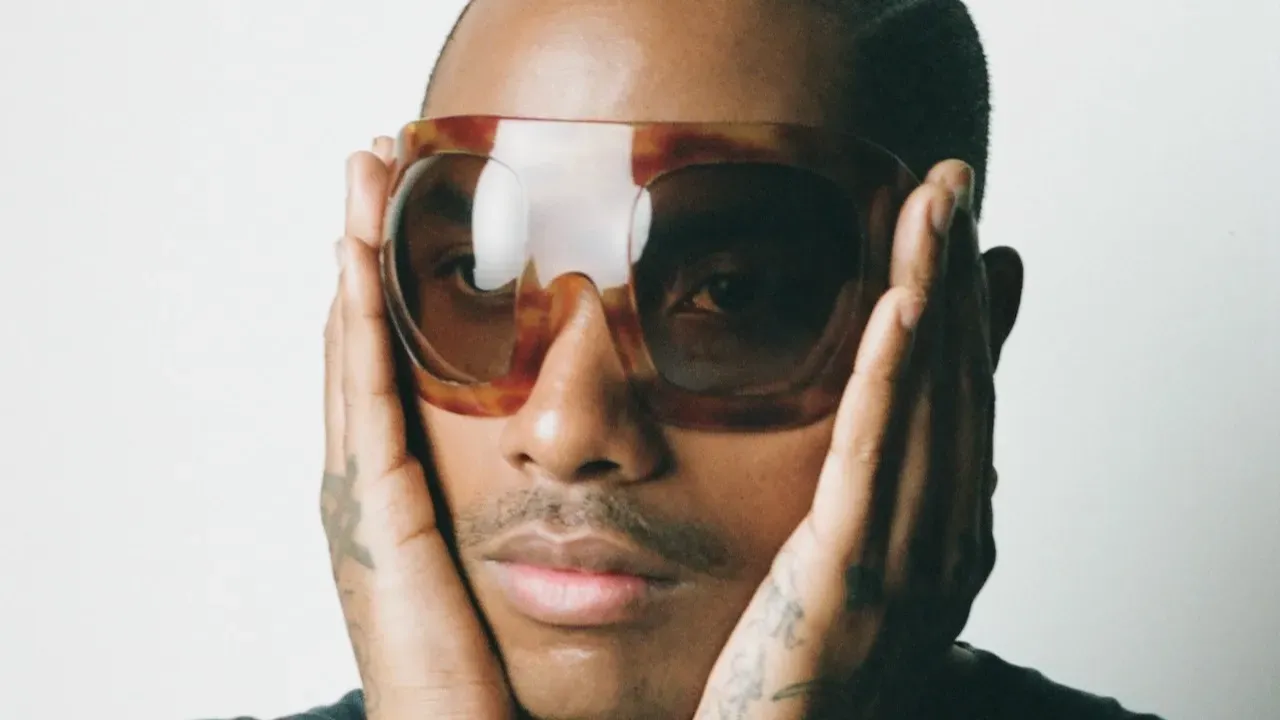
Steve Lacy has announced his new album, Oh yeah?, due out July 17th via RCA Records, and released the single "the feeling." The move signals how a star can pair a highly personal release with full creative authorship, a useful playbook for anyone tracking artist leverage and label-backed launches.
Steve Lacy has a new album date locked in: Oh yeah? arrives July 17th via RCA Records, and he has already paired the announcement with a new single, "the feeling." That is the core news, and it matters because Lacy is not just fronting the project as a performer. According to the source, he wrote, performed, and produced Oh yeah?, which means the album is being positioned as a fully self-authored statement rather than a handoff to a large production team.
The album is also being framed by the artist and his team as something unusually intimate. The source says Oh yeah? promises to be his "most personal art to date," a line that does a lot of work in a short space. For listeners, it signals that the record is meant to feel like a direct window into Lacy's perspective. For the business side of music, it is a reminder that the most valuable releases often combine timing, identity, and control. In a crowded market where attention is the scarce asset, an album that feels singular can cut through faster than one that sounds engineered for the broadest possible audience.
That makes the RCA Records detail worth noticing too. Major-label backing still matters because it brings scale, distribution muscle, and promotional reach, but the creative narrative here is very much centered on Lacy himself. He is described as a genre busting, indie pop, alternative R&B hitmaker, and that blend is part of the appeal. He has enough range to move across scenes without being trapped by one lane, which is exactly the kind of positioning that helps artists keep momentum across multiple releases. When an artist can occupy more than one category at once, the commercial upside is obvious: broader audience access, more room for experimentation, and less dependence on a single formula.
The release of "the feeling" ahead of the album also follows a familiar but still effective rollout pattern. A single does two jobs at once. It gives fans an immediate taste of the project, and it creates a fresh promotional moment before the full album lands. For labels, that kind of sequencing can keep a project in conversation longer, especially when the artist has enough credibility that each new release is treated as an event rather than just another upload into the endless streaming feed. In plain English, the single is the trailer, but one that has to stand on its own because the audience can listen instantly and judge instantly.
There is also a broader strategic lesson here for executives across creative businesses. Lacy's album is being sold on authorship. He wrote it. He performed it. He produced it. That is a strong branding stack, because it reduces the gap between the person and the product. In industries where authenticity is currency, ownership of the full creative chain can be a differentiator. It tells the audience that the final work is not just associated with the artist, it is built by the artist. That distinction can matter a lot when the market is saturated with releases that sound polished but interchangeable.
The phrasing around Oh yeah? suggests the team knows exactly what kind of conversation it wants to trigger. The title itself is casual, slightly defiant, and memorable, which helps it stand out in a sea of overly serious album names. The combination of a July 17th release date, a new single, and the promise of the "most personal art to date" gives the project a simple but effective frame: here is a major artist putting out a work that is both commercially packaged and deeply self-directed. That balance is often the sweet spot for modern music launches, especially when the audience expects access to the artist's voice, not just another polished product.
For founders, operators, and investors, the real takeaway is not that one musician has an album coming out. It is that a clear creative thesis still has market value. Lacy's rollout shows how a person can use specificity, control, and a well-timed single to make a release feel important before anyone has even heard the full record. In a noisy economy, that is not just an artistic strategy. It is a demand-generation strategy. And whether you are building software, media, or a consumer brand, the same logic applies: if you can make the audience feel that the thing is unmistakably yours, you have already won half the battle.
This story's Key Insights and Take-aways are locked.
Create a free account to unlock Executive Actions for one credit.
Register to UnlockAlways free for Executives Club members. Join the Club
More in Entertainment

Christopher Nolan’s “The Odyssey” posts his biggest Tuesday haul, surpassing “The Dark Knight’s” record
The film’s Tuesday breakout reframes Nolan’s box-office ceiling and forces competitors to rethink timing, budgets, and release strategy.

Kacey Musgraves cancels Aug. 20, 29, Sept. 2 Middle of Nowhere shows
Ticketmaster emails are telling fans refunds are coming, while the tour still starts Aug. 21 in Chicago.

Billie Joe Armstrong launches Epiphone Les Paul Junior and Marshall 1959BJA signature gear
Two limited releases turn decades of Green Day’s tone into branded hardware, including Marshall’s first artist amp in 14 years.