

Steven Bartlett's $60M podcast now fact-checks guests after BBC probe
The Diary of a CEO is adding AI-assisted reviews and pop-up rebuttals, but critics say the system still has blind spots.
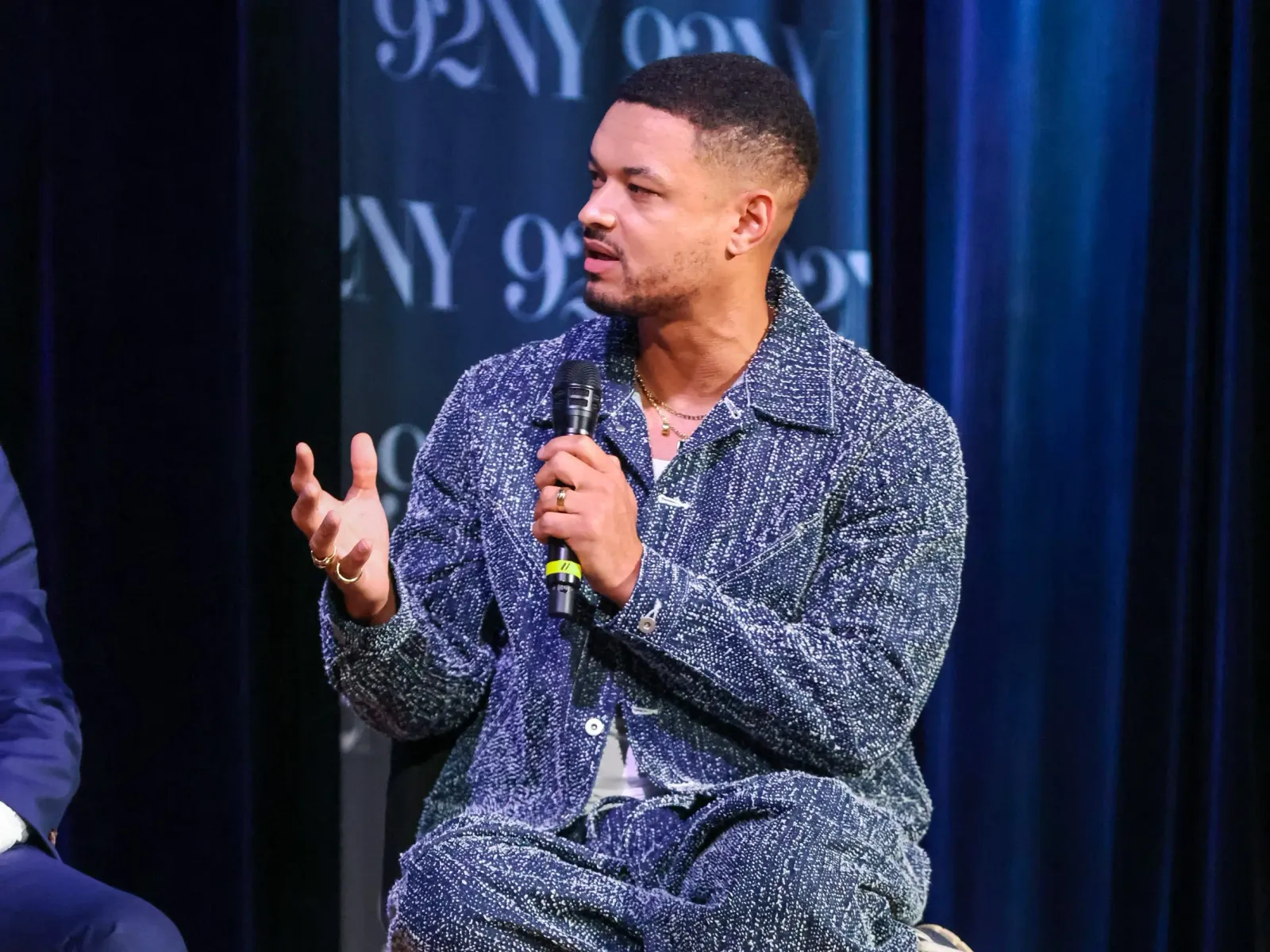
Steven Bartlett's Diary of a CEO, led by executive producer Hans Sahni, has fact-checked 71 episodes with an independent medical researcher after a BBC probe found harmful health claims. The move shows how top creators are adopting newsroom-style safeguards to protect ad revenue and credibility, though transparency gaps remain.
Steven Bartlett's Diary of a CEO is projecting $60 million in revenue this year, and it is spending some of that on a new line of defense: fact-checking. After a BBC investigation in late 2024 found that 15 of 23 health-related episodes contained an average of 14 potentially harmful claims, the show's executive producer, Hans Sahni, says the team has raised its accuracy bar. The show has now fact-checked 71 episodes with an independent medical Ph.D. researcher, covering about 13% of the 540 long-form interviews in its YouTube catalog. "We're being more rigorous than we have in the past," Sahni told Business Insider. "That bar gets higher and higher every day."
The fact-checking operation is a hybrid of human and machine review. Every new episode runs through an AI-assisted process using Claude, Gemini, and Consensus, an AI research platform. The independent researcher reviews health and wellness episodes, and the team makes the final call on what to surface. In the video version of the show, contested claims trigger temporary on-screen pop-ups called DOAC Community Notes, which rebut the guest or add context. In the audio version, inaccurate information is cut entirely. An extensive research document is linked in the show notes, often running upward of 80 pages.
The effort reflects a broader shift: independent creators are starting to operate like traditional media companies as their audiences and ad deals grow. Diary of a CEO has about 21 million YouTube subscribers and regularly ranks as the top business podcast on Spotify. Health and wellness have become a particularly fraught category, with major hosts like Joe Rogan facing criticism for platforming fringe views. Bartlett has drawn more scrutiny as his megaphone has grown, and the BBC report put a spotlight on the show's health content. For advertisers, brand-safe environments are now a requirement, which gives shows like this a financial incentive to clean up.
The new system has already been tested in high-profile episodes. When Bartlett interviewed neuroscientist Andrew Huberman, whose own promotion of unapproved treatments has been criticized, pop-ups challenged claims about peptides and weight-loss drugs. Huberman said his sleep improved after taking the peptide pinealon; a 20-second pop-up noted that evidence from human clinical studies remains limited. When Huberman called the weight-loss drug Retatrutide 'amazing' and said people lost about one-third of their body weight, a pop-up cautioned that the drug is not FDA-approved and remains under investigation. In an episode with sleep specialist Michael Breus, who said 75% of insomnia is caused by anxiety and depression, the research document countered that insomnia has multiple contributors. And when aging researcher David Sinclair recommended a Brazil nut a day for selenium, a pop-up warned that excessive intake can cause toxicity.
But the approach has limits. Angie Drobnic Holan, director of the International Fact-Checking Network at Poynter, applauded the show for making an effort, saying "the bigger the audience, the bigger the responsibility." She also flagged weaknesses: the sourcing on Community Notes is unclear to viewers, as is who wrote the research briefings. The documents are long and dense, and Holan questioned whether audiences would read them. The show said it doesn't have reliable user data on readership but is looking into measuring it. Viewers have also complained that pop-ups disappear too quickly or appear too often. And audio listeners have no equivalent of the on-screen notes, only the research document.
Sahni acknowledged the tension at the heart of the show. "There's a tension between having a provocative guest and presenting the most accurate information we possibly can," he said. "We're always going to lean toward being as accurate as we feel we can be. We're not journalists. None of us are and don't purport to be the news." The team is exploring fact-checking previously published episodes and has made guest-booking and research teams more disciplined in evaluating potential guests. It is also considering using Consensus Meter, a visual feature, on-screen, and is working on how to present the same information on audio without interrupting the listening experience.
For the broader creator economy, Diary of a CEO is becoming a case study in how to manage the collision of growth, credibility, and revenue. The show's willingness to invest in fact-checking, even with imperfections, sets a new baseline for what audiences and advertisers may expect from top podcasts. For executives and boards watching from media, health, and advertising, the lesson is that accountability infrastructure is now a competitive advantage, not a cost center. The question is whether other creators will follow Bartlett's lead before regulators or advertisers force the issue.
This story's Key Insights and Take-aways are locked.
Create a free account to unlock Executive Actions for one credit.
Register to UnlockAlways free for Executives Club members. Join the Club
More in Business
Binance scrambles to claw back $6.3B stolen in North Korea-linked hack
The world's largest crypto exchange faces the biggest heist on record, and the recovery effort will test the limits of blockchain forensics.
North Korea's TraderTraitor unit blamed for Binance's record $6.3bn heist
The largest crypto theft on record has rattled markets, slashed billions from token values, and put Binance's security revamp under the spotlight.

Binance probes $6.3B hack, freezes $3B; Polymarket halts trades
Two major trading platforms reported separate security incidents on Thursday, with billions frozen and user funds on the line.