

Steven Spielberg kept pitching Bond, got turned down, and says producers told him: “You can’t afford me.”
After “Jaws” made Bond-scale ambitions feel plausible, Spielberg says Cubby Broccoli still shut the door.
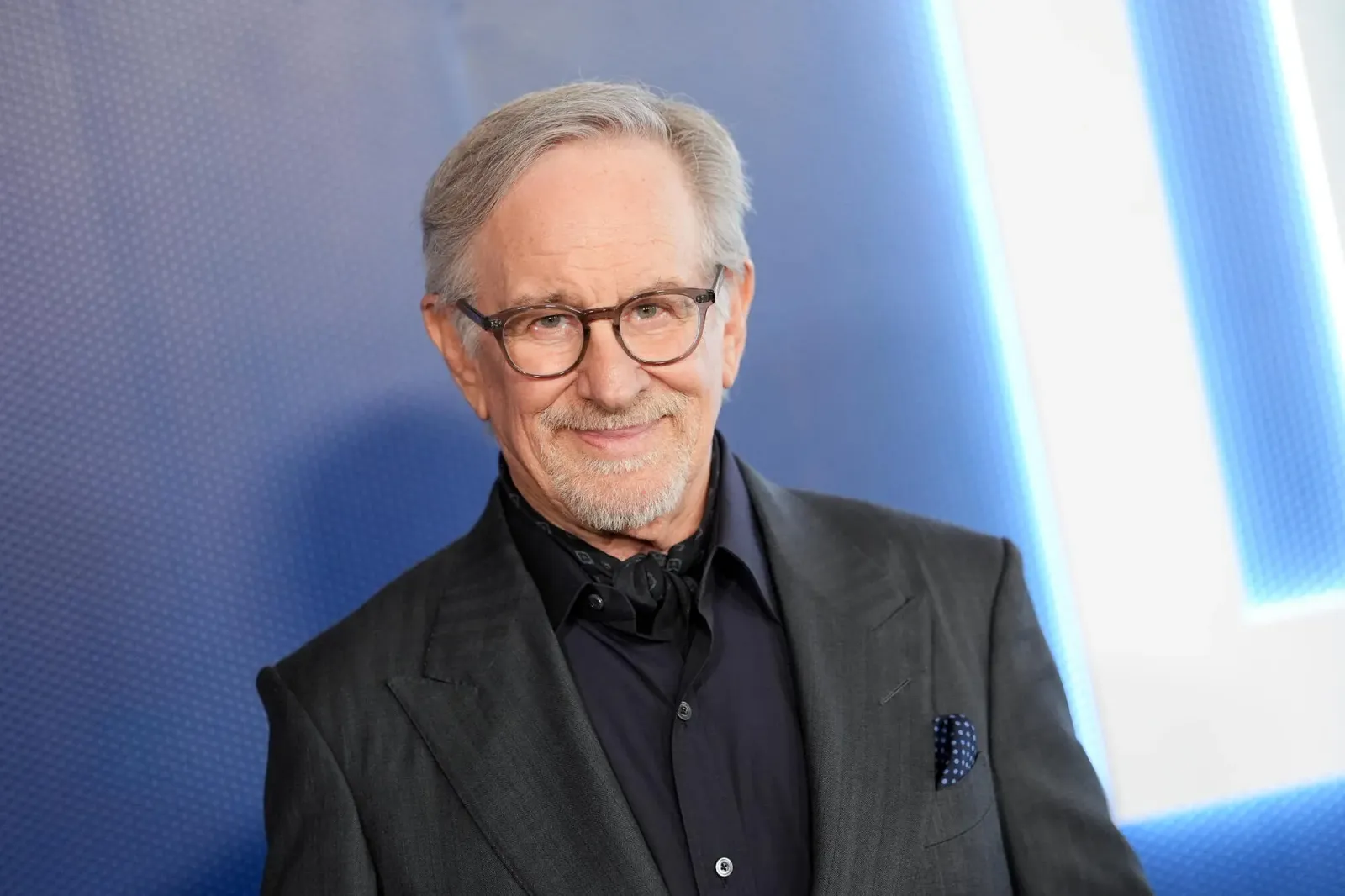
Steven Spielberg, on his “Disclosure Day” press tour, told “The Rest Is Entertainment” podcast how he repeatedly tried to direct a James Bond movie. He says that after “Jaws” made him a proven blockbuster force, franchise producer Cubby Broccoli turned him down, with Broccoli reportedly implying Spielberg could not afford the deal.
Steven Spielberg says his quest to direct a James Bond movie didn’t just stall. It kept getting shut down, and he claims the franchise’s producer response boiled down to one blunt idea: if they asked him to do it now, he wouldn’t be able to fit what the role would cost.
On “The Rest Is Entertainment” podcast during his “Disclosure Day” press tour, the Oscar winner laid out the story of his repeated attempts to land Bond. Spielberg says he made a personal plea to franchise producer Cubby Broccoli after “Jaws” became a breakout blockbuster sensation. But he was turned down, and the reason, as Spielberg framed it, was financial and deal-structure driven. He added that if the studios asked him to direct a Bond movie “now,” the answer he’d give would be: “You can’t afford me.”
That matters because it turns a legendary director rumor mill into something more operational and, frankly, more boardroom. In Hollywood, “can we make this movie happen?” is often less about whether someone is talented and more about whether the business terms line up. A director who has just proven they can turn risk into a hit can still be out of sync with what a franchise can budget for, especially when the franchise is already optimized for a specific brand of scale, schedule, and creative control.
Bond is a useful lens for understanding this. Unlike one-off films, long-running franchises accumulate expectations. The studio wants continuity. The producers want reliability. And Bond, as a global entertainment machine, has historically treated its creative leadership like a critical input that must be compatible with the rest of the production system. When you’re juggling brand consistency, international release strategy, talent availability, and a pipeline of downstream merchandising and licensing considerations, money becomes more than a number. It becomes a proxy for governance. Who drives decisions, how costs are managed, and how much flexibility the franchise will give the director.
Spielberg’s timeline also highlights how success changes leverage in ways that do not automatically translate into access. After “Jaws” made Spielberg a blockbuster figure, he approached Cubby Broccoli with the kind of credibility that usually earns “maybe” at minimum. The claim that he still got turned down implies the gap wasn’t “talent.” It was likely fit. Fit between what Bond’s leadership wanted and what Spielberg’s value, pricing, or working style demanded.
This is where the second-order implication lands for executives and decision-makers beyond Hollywood. Even when you have a “perfect candidate,” franchises can reject them because the investment thesis is bigger than the individual. If a producer’s internal model assumes certain cost structures and certain levels of creative risk, a high-profile director can increase perceived variance. That doesn’t mean the director is wrong. It means the franchise has a risk budget, and someone at a certain peak demand level can violate it. In that world, the turning down is not a dismissal of the person. It is compliance with the financial and operational constraints of the franchise.
There’s also a subtle incentive dynamic in play. Cubby Broccoli was, in Spielberg’s telling, the decision gate. Even if a producer wants to upgrade a franchise’s prestige, they have to protect ongoing investment and stakeholder expectations. A director pitch is not just a creative negotiation. It is a negotiation about spending authority, timelines, and the franchise’s tolerance for change.
Finally, Spielberg’s “you can’t afford me” framing is a reminder that creative executives are not just artists, they are counterparties. When a director reaches a certain level of commercial impact, the negotiation becomes two-sided. The director’s ask and the franchise’s willingness to pay can collide. And when that happens, even legendary careers do not guarantee legendary casting.
For peers in similar roles, the lesson is simple but uncomfortable: brand-driven businesses often have fixed deal economics. When the person you want becomes too expensive, too scarce, or too complex to integrate, the gate can close even after a huge proof point like “Jaws.” The strategic stakes are real. Get the economics right and talent can be a catalyst. Get them wrong and talent stays on the outside, turning into the kind of story that gets told on podcasts years later instead of becoming a movie that changes the franchise’s trajectory.
This story's Key Insights and Take-aways are locked.
Create a free account to unlock Executive Actions for one credit.
Register to UnlockAlways free for Executives Club members. Join the Club
More in Entertainment

Russell Brand's accuser 'bewildered and confused' as he denies 7 sex charges
The criminal case against the comedian is a live test of how media companies manage talent risk when serious allegations go public.

'It's a Magic Trick': Ballet Experts Say Rosalía's SNL Pose Is Impossible
Three ballet experts tell Rolling Stone Rosalía's gravity-defying SNL stillness shouldn't be possible - and why the debate is now part of the show.

Activision CMO: GTA 6 Will Boost Call of Duty, Not Bury It
Activision's top marketer says Rockstar's blockbuster will drive players back to consoles and into Modern Warfare 4, even as the company admits its recent strategy failed.