
Stop settling for phone photos: third-party apps and editing can rival cameras
Smartphone sensors are getting better, but you can unlock near-camera results with extra tools and time.
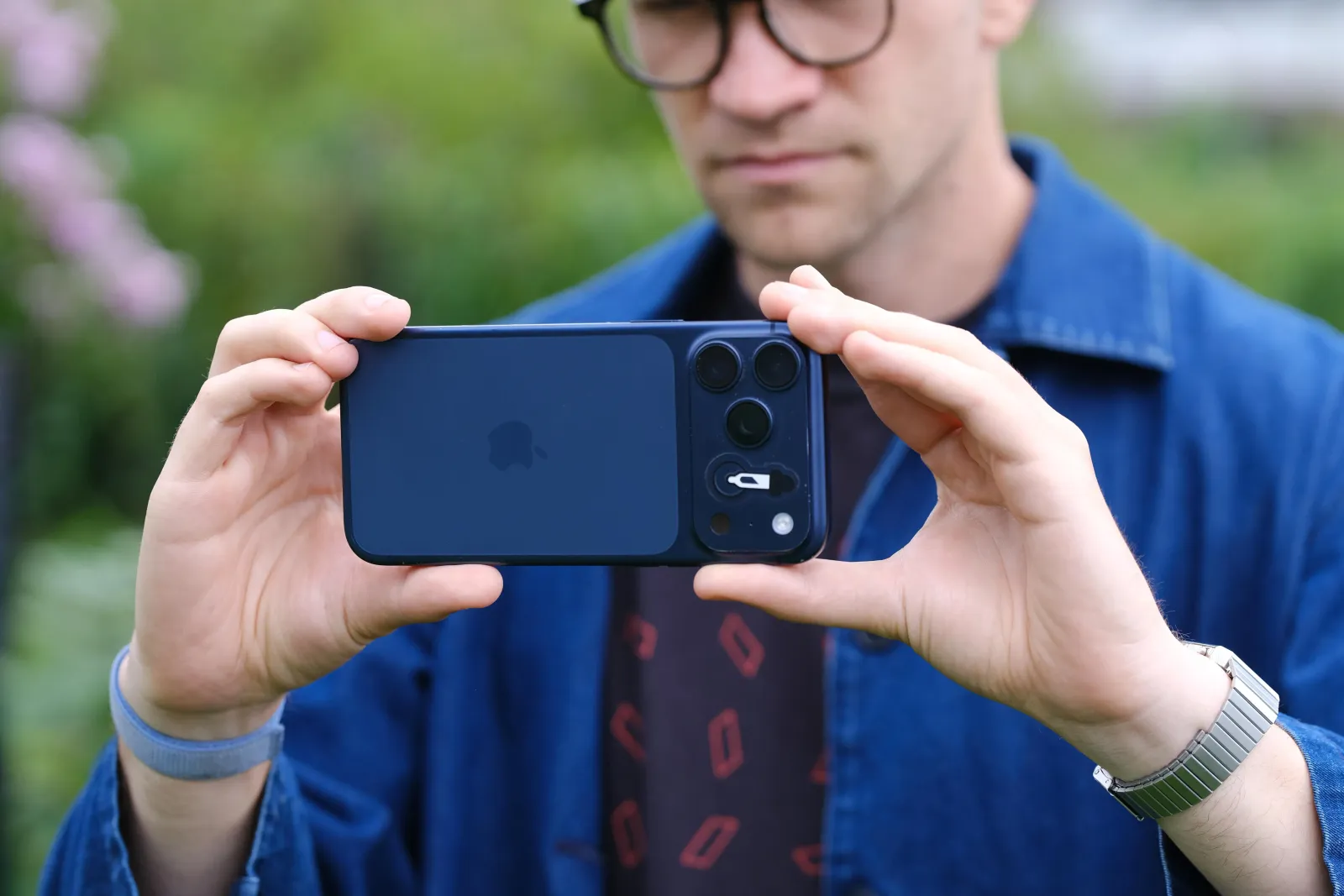
The Verge’s reporting argues that smartphone photos can look dramatically better when you add third-party apps and do a bit of editing. For decision-makers, better capture tools change what audiences expect, pushing creators and platforms to compete on quality, not just convenience.
Smartphone cameras are already close to “good enough.” The Verge’s argument is that they are also close to “wait, that looks like a real camera,” but only if you stop treating your phone like a set-it-and-forget-it device.
The core claim is straightforward: with third-party apps and some editing time, under the right circumstances, smartphone photos can rival dedicated digital cameras. This is not presented as a magic trick. It is presented as a practical workflow upgrade. If you post photos online, The Verge notes that the question “How do I take better photos on my phone?” comes up practically every day, because people have the same desire most users do: the convenience of a phone, with the quality of a camera.
Why this matters now is not just hobbyist vanity, it is the way modern content gets produced and consumed. The reporting points to a real hardware trend over the last few years: smartphone camera sensors have gotten bigger. Bigger sensors generally mean better light gathering capabilities, which helps in low light and improves how much detail the system can capture before it has to compensate with software. In other words, part of the improvement is physical. Sensors are moving in the right direction.
But there is a catch that The Verge’s framing makes clear. Hardware progress does not automatically translate into consistently excellent images in everyday conditions. Lighting, motion, focus, scene contrast, and exposure are the difference between “looks fine” and “how did you get that?” So the second lever is workflow. The reporting emphasizes third-party apps and editing, not as optional extras for power users, but as the mechanism that can help you bridge the gap between what your phone can technically capture and what it actually delivers in your final photo.
This also changes how people think about “the best camera.” The Verge invokes the familiar saying, “The best camera is the one you have on you,” and then essentially updates the implied modern interpretation. Yes, phones are always there. But if you only use the built-in defaults, you are leaving capability on the table. With editing and alternative capture apps, you can push the camera pipeline harder, extracting more clarity, better tonal range, and stronger results when the scene gives you a chance to shine. The headline stake is earned because the body ties it to a specific lever: add tools, spend time editing, and you can get photos that can rival dedicated digital cameras under the right conditions.
Now zoom out. This kind of shift has second-order effects for the broader ecosystem, including creators, platforms, and product teams. When audiences start expecting a “camera-like” look from phones, the bar for visual storytelling rises across social feeds, marketing channels, and community communities that rely on user-generated content. That creates pressure in two directions. First, creators who want to stand out can no longer rely on raw capture alone. They need repeatable workflows that produce consistently strong images. Second, platforms and app ecosystems become more valuable when they support those workflows, either through native capabilities or through better integrations with third-party tools.
There is also a timing dimension worth noting for decision-makers. The Verge’s piece points to sensor upgrades “over the last few years,” which signals that the industry has been investing in the foundations. But the fact that the article still recommends apps and editing suggests that the remaining gap is not going away purely through next-gen hardware. It is increasingly about software choices and user behavior. In executive terms, that means competition does not only happen on spec sheets. It happens on the end-to-end experience: capture, processing, and post-processing.
Strategically, the takeaway is simple and slightly inconvenient: if you care about image quality, you should treat your phone camera like a pipeline, not a single feature. The Verge makes that point by linking better results to third-party apps and editing time, then anchoring the reason that this works in real progress on sensor size and light gathering. For anyone making decisions around creator tools, consumer electronics roadmaps, or content strategies, the implication is clear. The “default” photo experience is not the finish line. The finish line is what your audience sees, and you get closer to dedicated camera results by adding the work where it counts.
This story's Key Insights and Take-aways are locked.
Create a free account to unlock Executive Actions for one credit.
Register to UnlockAlways free for Executives Club members. Join the Club
More in Technology

doubleAI's Maxwell rewrites code while it runs, claims 38x speedups
The Tel Aviv startup's code execution model formally verifies optimizations, turning AI into an agent for the hardware itself.
Saudi military official paid to fly OpenAI bugging suspect's family out, prosecutors say
A court filing says a Saudi military official funded the family's exit and Riyadh offered bail, putting foreign-influence risk squarely on AI boards.
AI researcher's 26,000-word claim: Neural nets aren't tangled after all
Nick Cammarata's Goodfire post has the AI world split - if he's right, monitoring frontier models just got a lot easier.