
Stranger Than Heaven boss Masayoshi Yokoyama defends Tupac likeness amid fan backlash
RGG’s studio head says criticism is inevitable and the goal is an emotional, valuable game experience.
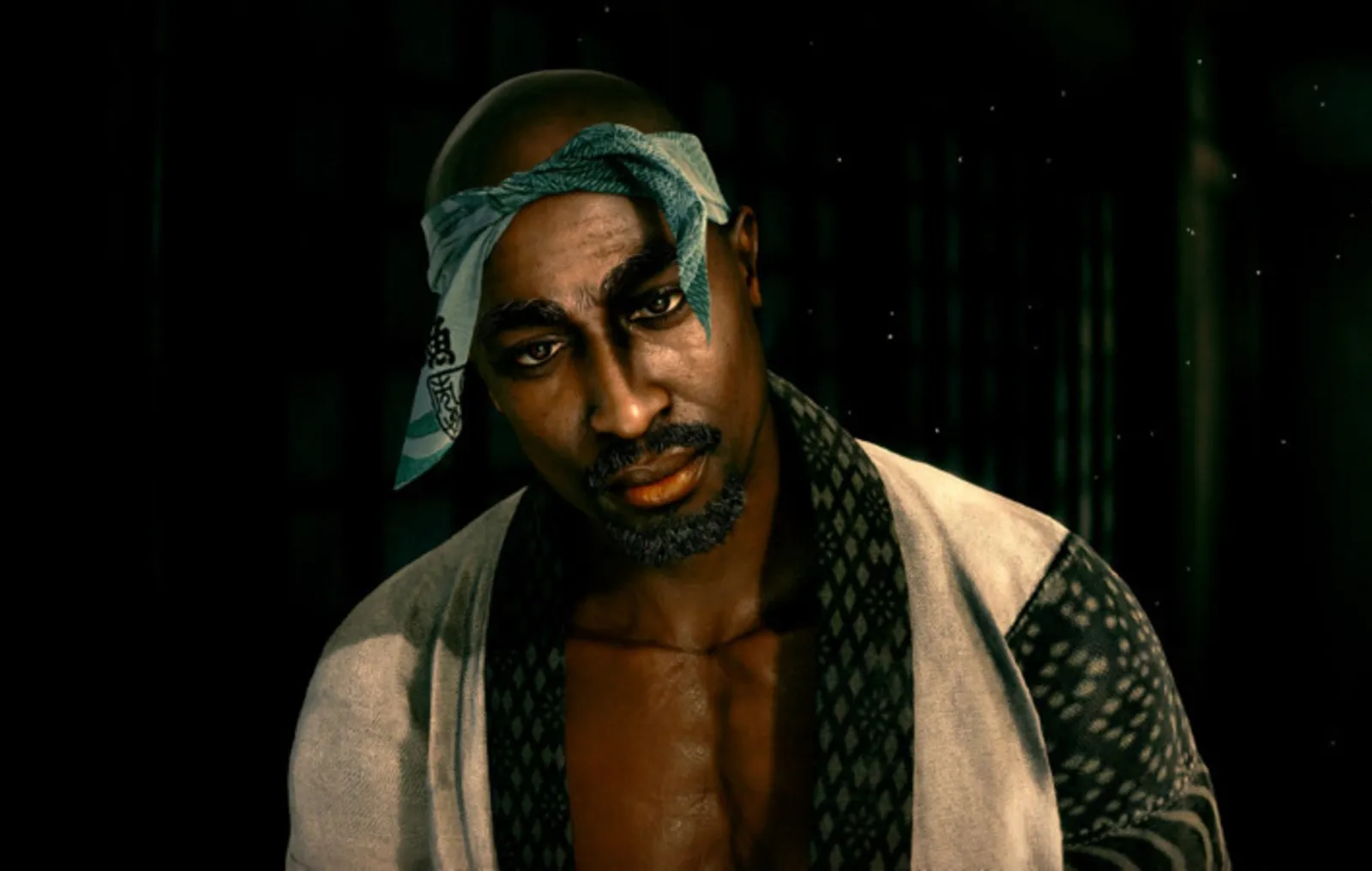
Masayoshi Yokoyama, studio head at RGG behind Stranger Than Heaven, defended the decision to include Tupac’s posthumous likeness. For decision-makers, it spotlights how entertainment IP deals, fan sentiment, and production choices collide as launch dates approach.
Stranger Than Heaven studio head Masayoshi Yokoyama is standing by RGG’s decision to include Tupac’s likeness in the upcoming action game, even as some fans push back on the move. In an interview with IGN, Yokoyama framed the backlash as part of building entertainment products, arguing that criticism is “a freedom” people are entitled to, but that the team still believes the inclusion “would add value to our game.”
That defense lands right after Summer Game Fest news from Snoop Dogg, who said onstage that Stranger Than Heaven will feature a character using Tupac’s likeness. Snoop’s explanation was specific: “The Tupac estate and my son and myself, we work very closely together,” he said, and he added, “it just made sense” because Tupac’s likeness and “spirit still lives on,” which he described as connected to what the game is trying to do.
So what’s the actual sticking point for fans? The source notes that some aren’t happy about Tupac’s posthumous appearance, and it highlights an important detail for anyone tracking music IP governance: Tupac’s estate is managed by music executive Tom Whalley, which Tupac’s family has challenged. That context matters because when a recognizable artist becomes an in-game character after death, audiences are not just evaluating a creative choice. They are implicitly auditing who has the rights, who has the authority, and whether the estate arrangement reflects the family’s position. Even without taking sides, the existence of a dispute puts extra pressure on studios to demonstrate legitimacy.
RGG, at least on the production side, has pointed to how it is handling one of the most sensitive technical questions: voice. The source says RGG has said the character’s voice will be recreated using an actor and not AI, and that Tupac’s estate supports the inclusion. From a risk-management lens, that is a two-part response. First, it addresses a major ethical concern fans often raise in 2024 and beyond: “AI voice” is a lightning rod in the entertainment industry, especially when it involves deceased artists. Second, it aligns the project with the estate’s reported consent, which helps explain why the company feels comfortable moving forward despite online friction.
Yokoyama’s reasoning goes further than process. He essentially argues that a studio’s job is to optimize for the emotional outcome, not to eliminate criticism. He said: “For me personally, I think trying to make everybody happy is the job of a politician. For a person who makes games, I think our job is to try to give an inspirational, emotional, or deep experience to as many people as possible.” The takeaway for execs is not that controversy is good. It is that the executive believes the team’s north star is player experience quality, and that trying to avoid controversy by design would “end up” producing something that cannot deliver the intended impact.
That’s a philosophy most game companies would recognize, but the Tupac angle adds a cultural complication. This is not just a licensing transaction for a soundtrack or a skin. It is a human likeness and a recognizable persona being translated into a playable character format. That means the project sits at the intersection of multiple stakeholders: the estate, the artist’s inner circle, the family’s contested governance claims, and the audience that treats authenticity as part of the entertainment product. When Snoop Dogg publicly describes close coordination with “the Tupac estate and my son and myself,” it underscores how the rollout is also a narrative bet: that the inclusion will feel connected, not exploitative, to mainstream fans.
And the business timing matters. Stranger Than Heaven is slated to launch January 15, 2027 on PS5, Xbox Series X|S, and PC. That future date gives RGG runway, but it also means perception can harden early. In modern games, early controversy can shape coverage cycles, influencer narratives, and community norms long before launch. Executives at other studios can take note: even when the technical plan is locked, the story around who approved what, and why, often becomes a long tail risk.
There is also a broader market subtext in the source. It briefly notes that Microsoft revealed it is struggling to make its new Xbox console, known as Project Helix, affordable due to a hardware “crisis.” While this is separate from the Tupac discussion, it still matters for decision-makers because platform economics influence marketing spend, demand forecasts, and timing of high-profile releases. If hardware affordability is constrained, studios can face pressure to ensure their biggest announcements have staying power. In that environment, the creative and PR choices around celebrity IP become even more consequential.
Ultimately, Yokoyama’s defense is a statement about how RGG wants to operate under scrutiny. The studio is saying: we expected criticism, we secured what we believe are the necessary permissions, we made specific production choices around voice recreation, and we are still choosing the experience we think players will value. For executives and board members watching the entertainment IP market, the strategic stakes are clear. When you put a real-world figure into a game, your product decision quickly becomes an institutional question. The governance and legitimacy story can be as important as the gameplay, and the market will judge not only what you ship, but the chain of decisions that got it there.
This story's Key Insights and Take-aways are locked.
Create a free account to unlock Executive Actions for one credit.
Register to UnlockAlways free for Executives Club members. Join the Club
More in Entertainment

Russell Brand's accuser 'bewildered and confused' as he denies 7 sex charges
The criminal case against the comedian is a live test of how media companies manage talent risk when serious allegations go public.

'It's a Magic Trick': Ballet Experts Say Rosalía's SNL Pose Is Impossible
Three ballet experts tell Rolling Stone Rosalía's gravity-defying SNL stillness shouldn't be possible - and why the debate is now part of the show.

Activision CMO: GTA 6 Will Boost Call of Duty, Not Bury It
Activision's top marketer says Rockstar's blockbuster will drive players back to consoles and into Modern Warfare 4, even as the company admits its recent strategy failed.