

Stranger Than Heaven flips Yakuza action into limb-by-limb “Soulslike” combat
Preview reveals how Makoto Daito fights, why dodges and parries matter, and where the system still cracks.
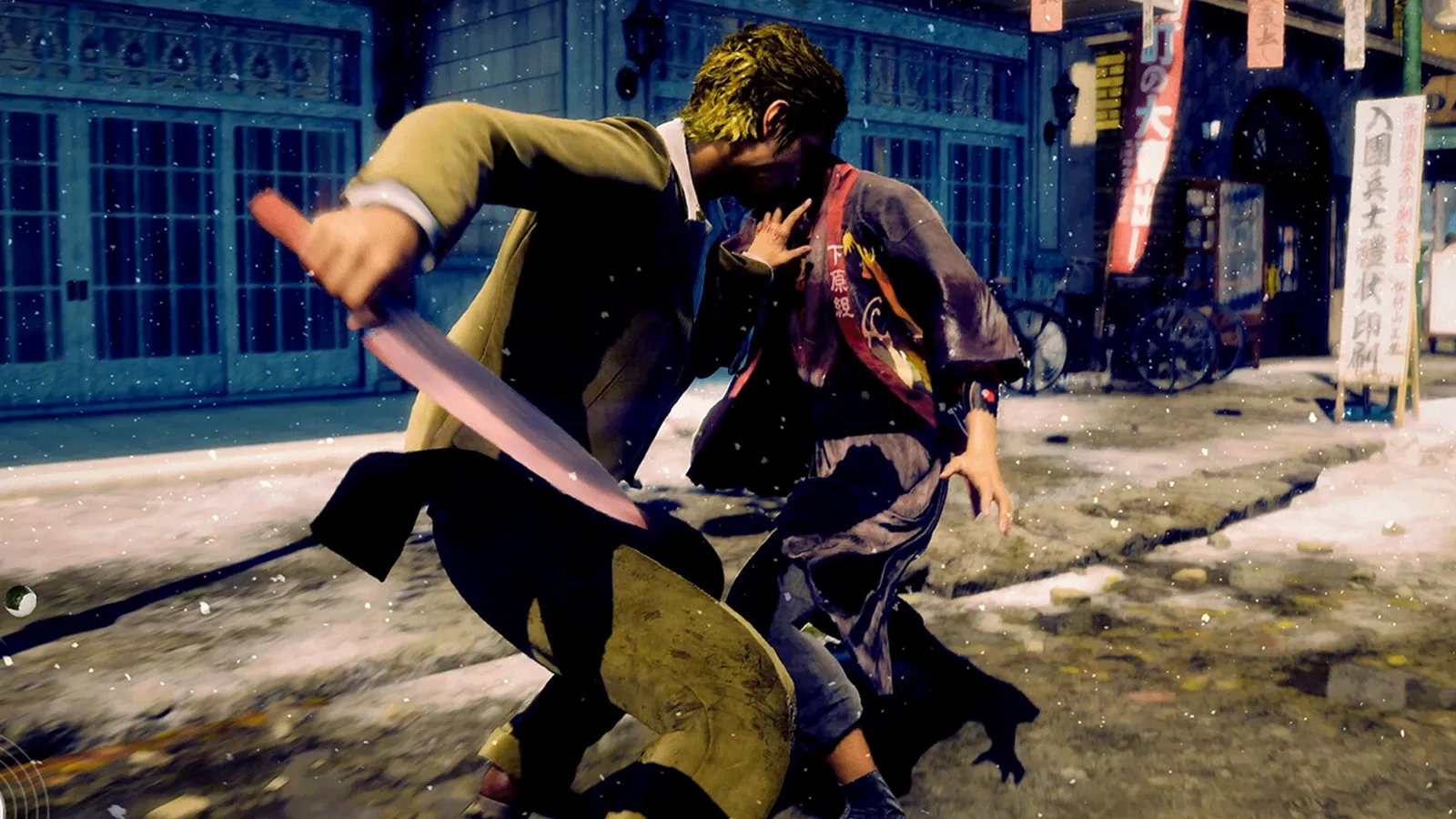
IGN’s preview of Stranger Than Heaven shows combat redesigned around limb-specific inputs for Makoto Daito, tested across three 1915-1943 battle scenarios. For decision-makers, it signals a high-risk genre shift: deeper skill expression, but early rough edges could shape adoption and momentum.
Stranger Than Heaven’s combat does not just “change things up.” It asks you to stop thinking like a Yakuza player. Where the Yakuza and Like a Dragon lineage is known for action-brawler rhythms, scrappy close-quarters chaos, and the satisfying certainty of standard combo flows, Stranger Than Heaven pivots toward a slower, more calculated system that plays closer to a Soulslike mindset.
In a roughly one-hour playable combat-focused demo, IGN frames the lead character, Makoto Daito, as the opposite of “tank and heal.” You control him like a boxer, using bare knuckles or melee weapons, but the key difference is how the game makes your decisions physical: your limbs correspond to specific buttons. R1/RB and R2/RT control right-side light and heavy attacks, while L1/LB and L2/LT control the left side. That design forces every attempt to be deliberate, not automatic. It also creates a clear stake for players and, by extension, for anyone tracking how genre expectations get monetized: if the controls feel too rigid or unresponsive, the learning curve punishes repeat attempts instead of rewarding them.
Here’s how the system works in practice, and why it feels like a controlled experiment rather than a simple action makeover. IGN describes combat depth that comes from more than light versus heavy. Because each side maps to attacks, you can rewire your brain to make moves count, and then experiment with options like command grabs and tossing enemies to the ground to mount and hammer them. The demo also shows crowd-control by grabbing one enemy with one hand, another with the other, then smashing them together. All of that sounds flashy until you remember the core rule Makoto cannot ignore: dodging and blocking.
Unlike Kiryu-style play where you can eat hits and bounce back quickly, Stranger Than Heaven’s positioning discipline is non-negotiable. IGN notes that dodging side-to-side can be more reliable than dodging backward, because backward movement can still leave you in range of enemy strikes. Once side-to-side dodging clicks, the game opens up its “rewards for timing” loop: a perfectly timed dodge can trigger slow motion and set up easier combos. The game also uses a stagger meter in the bottom left corner that pulses in different colors to show how many more blows you can take. When it flashes red, IGN says the correct move is to create distance or dodge before you get knocked to the ground. If you do, you wait for recovery and then must dodge attacks while grounded by rolling to the side before getting back up.
In other words, the demo pushes you toward pattern reading and commitment. IGN repeatedly emphasizes that every fight can feel uphill. Blocking is safer when overwhelmed, but damage comes in meaningful chunks from average hits, and beefier foes can feel spongier. The preview does not claim a final answer on progression, but the implication is clear: until balance settles, the “margin for error” will define how sticky the combat feels across hours, not minutes.
IGN then stress-tests the combat across three time-stamped scenarios, each pulling different levers. In Kokura in Fukuoka during 1915, muddied alleys and troublemakers lead to a soft magnetic lock-on system, with the preview calling it generally good enough to distinguish targets when you get hounded. The demo also spotlights environmental interactions: the game recognizes surfaces you can smash enemies into, similar to how heat actions in Yakuza can shift depending on surroundings. IGN even notes the ability to break a stagger meter to trigger brutal LT/RT finishers and to experiment with limb control.
In Kure in Hiroshima during 1929, a snowy setup adds pressure through a sword-wielding Mr. Shakedown-type brute. Here, IGN uses a hulking crowbar to feel heavy weapons and notes that long attack animations can leave you vulnerable. The issue is not just enemy numbers, but commitment windows: if you swing and cannot cancel, you get punished. However, enemy behavior in this scenario is not described as endless crowd pressure. IGN says enemies generally move in two or three at most, which helps the system avoid becoming pure chaos. Then comes a key combat detail: some brute moves are unblockable, pushing players to read patterns even more carefully. The preview explicitly links the slower pacing to Souls game habits: timing, distance, and anticipation.
Finally, Minami in Osaka during 1943 ramps the “boss brain” requirement with a drunken master swordsman built very close to a Souls-style boss archetype. IGN says recognizing attack patterns becomes crucial, and that dodge and block timing matters because hits chain in readable rhythms. But the preview also delivers the most concrete critique of the system’s rough edges. Movement can feel sluggish and dodging can be unreliable in critical moments. Parrying becomes the key, and after about eight tries, IGN reports nailing parry timing and perfect dodges rather than depending on blocks or normal dodges. Yet even here, there are frustration points: a second phase includes a grab-and-stab move that does almost full damage. IGN says the player is “done” if caught and must dodge while hoping the boss does not keep tracking in the last frames of animation. There are also moments where an LT/RT prompt for a big staggered attack pops up, but Makoto whiffs and becomes vulnerable.
Strategically, that mix matters. Genre shifts like this often go one of two ways: the system becomes a signature skill expression that keeps players coming back, or it becomes a friction tax that kills momentum before mastery arrives. For teams and investors tracking player retention signals, the second-order question is straightforward: can the combat’s limb-specific depth and Soulslike patience convert “rough around the edges” into “learnable depth,” or does unresponsive dodging and whiff behavior keep fights from feeling fair?
For executives in adjacent categories, Stranger Than Heaven’s preview reads like a case study in tradeoffs. The ethos of other RGG games still shows up, but the combat identity is now its own product risk. If the combat lands, it differentiates the franchise with a more thoughtful, pattern-driven challenge. If it misses, the learning curve becomes a churn engine. Either way, the demo makes one thing plain: this is not a reskin of old Yakuza timing. It is a deliberate recalibration of how fights ask you to play.
This story's Key Insights and Take-aways are locked.
Create a free account to unlock Executive Actions for one credit.
Register to UnlockAlways free for Executives Club members. Join the Club
More in Entertainment

Entertainer Russell Brand denies 7 sex charges amid accuser's 'couldn't breathe' claim
The alleged victim's account sharpens the reputational and legal stakes for Brand, his platforms, and any business tied to a public figure under criminal scrutiny.

Russell Brand's accuser 'bewildered and confused' as he denies 7 sex charges
The criminal case against the comedian is a live test of how media companies manage talent risk when serious allegations go public.

'It's a Magic Trick': Ballet Experts Say Rosalía's SNL Pose Is Impossible
Three ballet experts tell Rolling Stone Rosalía's gravity-defying SNL stillness shouldn't be possible - and why the debate is now part of the show.