
StubHub cancels World Cup resale tickets at the last minute, stranding hundreds
Fans say hundreds of StubHub World Cup tickets were cancelled moments before matches, leaving them outside stadiums with nowhere to go.

Hundreds of fans who bought World Cup tickets on StubHub say their resale tickets were cancelled at the last minute. For decision-makers, the consequence is reputational damage and a recurring trust-and-regulation problem in secondary ticketing.
Hundreds of World Cup fans who bought tickets through StubHub say their seats were cancelled at the last minute, leaving them stranded outside stadiums. That is the core claim in the BBC report: fans purchased tickets on a resale platform, only to have them wiped away when matchday arrived.
The immediate impact is painfully simple. People showed up expecting a ticket they already paid for, and instead they were met with cancellation, with access denied at the stadium doors. The report frames it as last-minute action, which matters because it removes any practical ability to reroute, find alternatives quickly, or absorb the financial and logistical shock of being turned away.
If you are an executive thinking about this, the first question is not “how could this happen,” it is “what does the cancellation mechanism look like from the platform’s perspective.” In secondary ticketing, the promise to buyers hinges on a basic operational assumption: the inventory being sold will remain valid until the event. When tickets are cancelled close to the start time, that assumption breaks, and the harm concentrates on the customer at the moment the product is supposed to deliver value.
The second question is incentives. Resale platforms make money through transactions and take rates. Buyers come to them when primary supply runs out or price points no longer match what fans can afford. That creates a market dynamic where speed and availability drive purchases. But availability only helps if the underlying tickets are actually transferable and stay usable. In other words, the platform can appear to have inventory, while the real-time validity of that inventory can still be revoked.
This kind of failure mode is also a regulatory and compliance headache waiting to happen. Ticketing ecosystems are typically governed by rules about transferability, anti-fraud controls, and event organizer constraints. If tickets can be cancelled or invalidated due to organizer decisions, anti-scalping policies, or verification processes, then resale platforms are exposed to a moving target. The buyer’s experience is what the public remembers, but the legal exposure can span the chain from ticket issuer to event organizer to platform, depending on how terms and enforcement work.
Then there is the trust problem, which is harder to fix than the immediate operational one. When hundreds of people report being left outside stadiums, it is not just a customer support issue. It becomes a brand issue, and brand issues are compounding issues. Every subsequent purchase becomes a risk calculation for a new buyer. Even if the platform resolves individual disputes later, the story already hit social feeds and newsrooms, and the reputational cost tends to arrive before any refund or rebooking process can calm it down.
For boards and senior leaders, secondary ticketing is often treated as “just marketplaces,” but marketplace operators are judged on reliability at the moment of truth. The moment of truth is matchday. Platforms can be accurate on paper and still fail in practice if cancellations occur late and customers are stuck with unusable credentials. That is exactly the scenario described here: fans say their StubHub World Cup tickets were cancelled at the last minute.
Strategically, this raises the stakes for peers in the ticketing, payments, and consumer marketplace worlds. If a widely used resale brand faces sustained customer harm tied to invalidation timing, regulators and consumer advocates are likely to push for stronger protections, clearer disclosures, and tighter operational controls. Even if the ultimate root cause sits outside the platform’s direct control, the platform still carries the customer relationship. And in a market where trust is the main asset, losing it can be more expensive than any one event.
This story's Key Insights and Take-aways are locked.
Create a free account to unlock Executive Actions for one credit.
Register to UnlockAlways free for Executives Club members. Join the Club
More in Business

BioWare shuts down, Mass Effect 5 dead after $55B EA buyout
The legendary RPG studio's closure lands months after a $55 billion investment group buyout of EA, raising tough questions for gaming's biggest acquirers.
Musk barred from the room as Tesla, SpaceX boards weigh $3.5 trillion merger
The CEO of both companies is a 'conflicted party' watching independent directors negotiate a tie-up that would create a $3.5 trillion giant he would own about a third of.
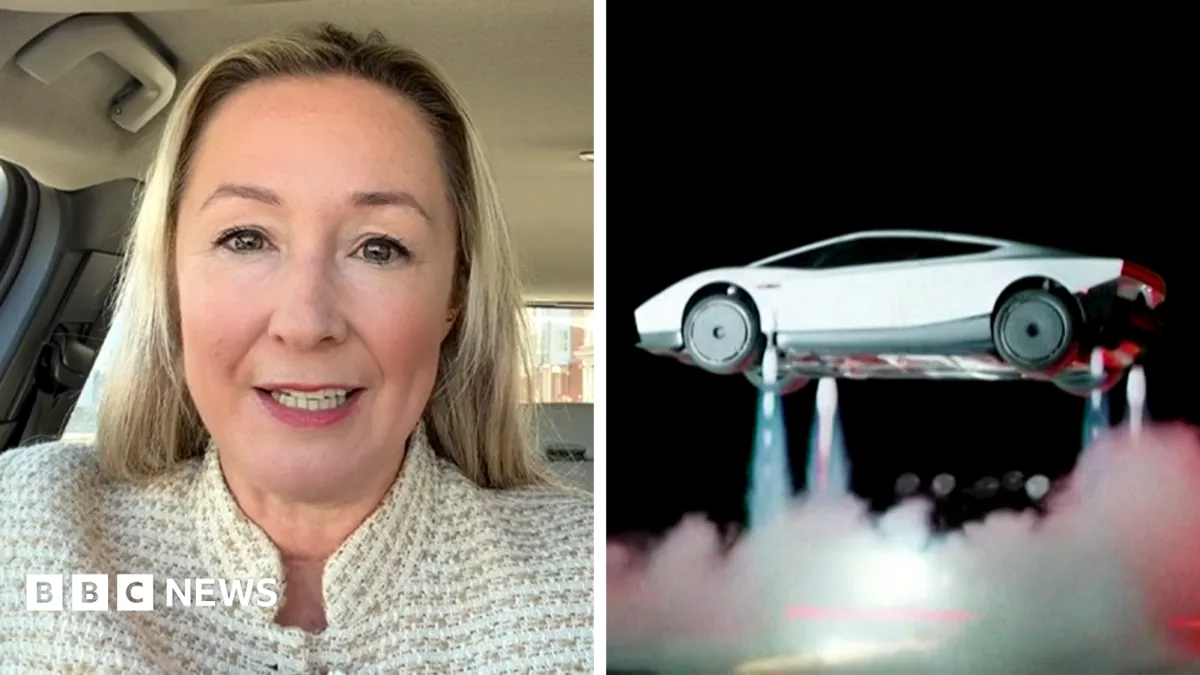
Elon Musk just showcased a flying car - and it wasn't at Tesla
The Tesla CEO's latest reveal came at SpaceX, not Tesla, signaling where vertical mobility is headed.