

Study: 1 in 4 depression cases may be a body-clock problem, not a chemical one
A 10,000-person study finds standard antidepressants often fail these patients, but melatonin and morning sunlight may hit the real root cause.
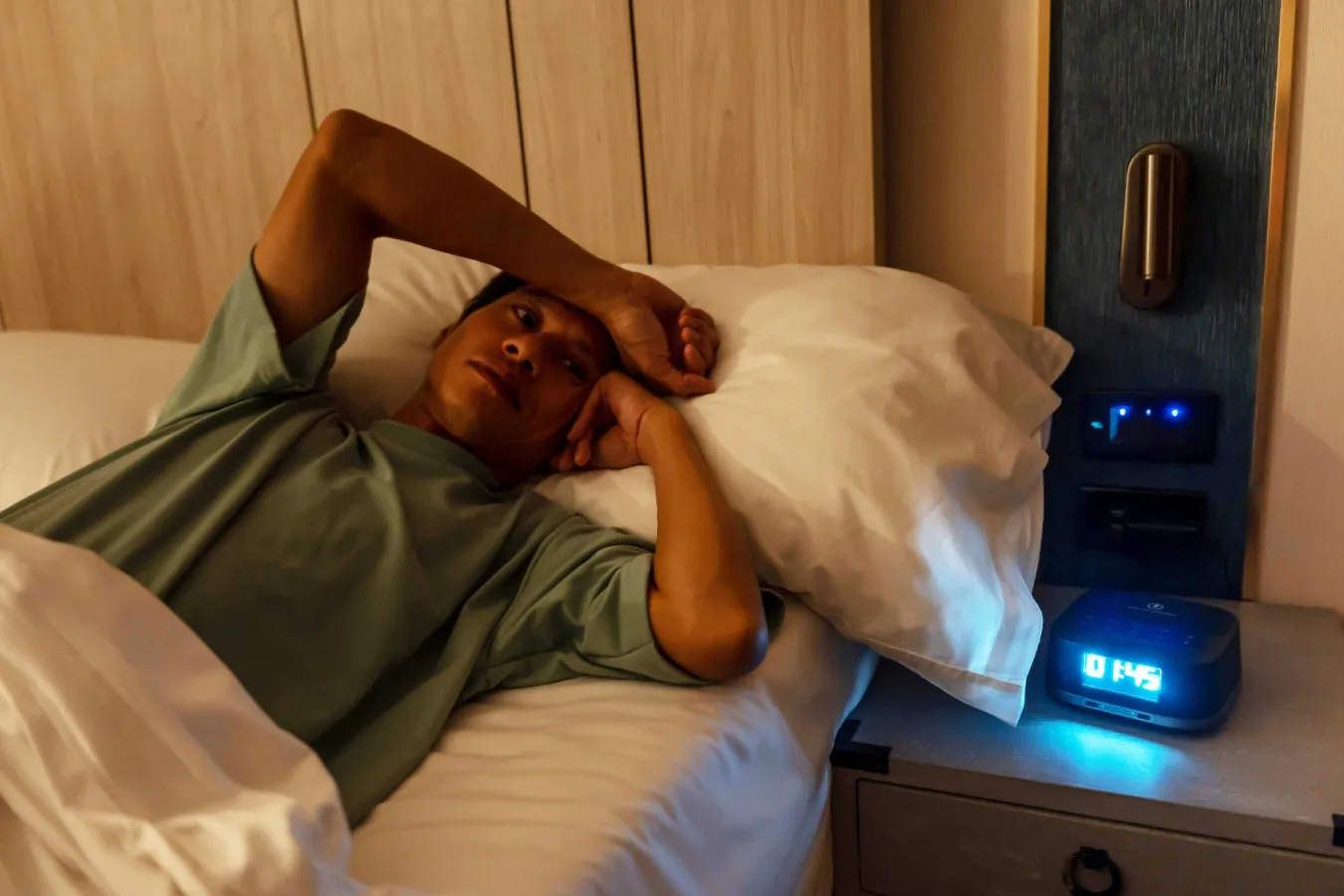
Ian Hickie and Emiliana Tonini at the University of Sydney led a study of more than 10,000 Australians with recurrent severe depression, identifying that 23% have 'circadian depression' caused by off-kilter body clocks. The finding implies standard SSRIs may be the wrong tool for these patients, opening the door for melatonin-based treatments and light-exposure behavior changes to become first-line options.
One in four cases of severe, recurrent depression may actually be a body-clock disorder, not a chemical imbalance, and standard antidepressants often fail these patients. That is the headline finding from a new study of more than 10,000 Australians published in the British Journal of Psychiatry, which identified 23% of participants as having circadian depression, a subtype marked by disrupted rhythm and regularity of sleep. The discovery matters for the millions of people who take SSRIs and see little relief: their biology may be fundamentally different from the serotonin-driven depression those drugs are built to treat.
Researchers led by Ian Hickie and Emiliana Tonini at the University of Sydney combined survey data and saliva DNA analysis to spot the pattern. Those with circadian depression showed more severe symptoms, including more suicidal thoughts, and developed the illness earlier, with an average onset of 18 versus 23 in the non-circadian group. They also reported less efficacy and more side effects when taking common antidepressants like SSRIs. The next step is already in motion: the team is launching a clinical trial to test whether synthetic melatonin, the hormone that regulates sleep-wake cycles, may be more effective for this subgroup.
To be classified as having circadian depression, participants needed to show at least three of six signs of body-clock dysregulation: being an evening type, going to sleep later than most people, feeling very tired on waking regardless of sleep duration, sleeping more during depressive bouts, sleeping in late on non-work days, or experiencing strong seasonal changes in mood, energy, sleep and appetite. As Tonini put it, it is not only about the quantity of sleep but about the rhythm and regularity. That distinction explains why a full night of sleep can still leave someone with circadian depression feeling jet-lagged and exhausted.
The biology appears to be distinct from other forms of depression. Participants with circadian depression were more likely to carry genetic variants linked to sleep problems, higher body weight, inflammatory markers and ADHD. Tonini says there is an underlying biology that is quite distinct from other forms of depression. Hickie points to modern lifestyles as another contributor: our body clocks need to be reset each morning by light exposure to stay steady, but we stay inside on computers all day and expose ourselves to artificial light at night. We live in the 21st century, he says, which is a complete reverse of what we are built for.
That opens a practical path. The clinical trial will test not just melatonin but behavioral strategies for body-clock regulation: waking up at the same time every morning around sunrise, going outside, spending time outdoors in the midday sun, and keeping regular mealtimes and exercise sessions during daylight. Once it gets dark, Hickie recommends avoiding large meals, exercise and bright lights. They are all the wrong signals, he says. These interventions are cheap, accessible, and already within a patient's control, which could make them an attractive complement to drug therapy even before the trial data comes in.
Outside experts urge caution before rewriting treatment protocols. Colleen Loo at the University of New South Wales in Sydney calls the findings really useful but says more research is needed before circadian depression can be formally recognized as a new subtype. As a clinical psychiatrist, she does not think it is time to base medication choices on this study alone. Still, she notes that melatonin is a safe medication and low lighting before bed is sensible anyway, adding that all clinicians should be talking to patients about these issues if they have sleep disturbances.
The strategic stakes extend beyond individual treatment. For health systems, identifying circadian depression early could prevent years of ineffective SSRI prescriptions and the side effects that come with them. For pharma and mental-health startups, the trial could validate a new therapeutic category built around the body clock, not just the synapse. And for employers and insurers, the results may eventually reshape mental-health benefits to include light exposure, sleep regularity and melatonin as credible, cost-effective interventions. Hickie hopes that getting on the right track first off will lead to better long-term mental and physical health, and spare patients from medications that are inappropriate for them. If the trial delivers, the next few years could change how depression is diagnosed, treated and covered.
This story's Key Insights and Take-aways are locked.
Create a free account to unlock Executive Actions for one credit.
Register to UnlockAlways free for Executives Club members. Join the Club
More in Science

Start-Up Says A.I. Designed a Virus to Attack One Patient's Superbug
If the claim holds up, personalized phage therapy could become a new frontline weapon against antibiotic resistance - but proof is far from final.

1000 mathematicians pledge to shun AI in their research
A thousand researchers are publicly refusing AI tools, and the reason is a warning for every company betting on AI-generated answers.

MI5 chief warns AI could 'change the stakes' on bioweapons
The UK's top spy says AI is making biological attacks more accessible; Johns Hopkins' Tom Inglesby explains why governments are scrambling and what safeguards could stop it.