
Sturgill Simpson flips Mutiny After Midnight to streaming, adding a Johnny Blue Skies bonus cover
A top album went physical-only first. Now, on his birthday, Sturgill Simpson expands access and sweetens it with new material.
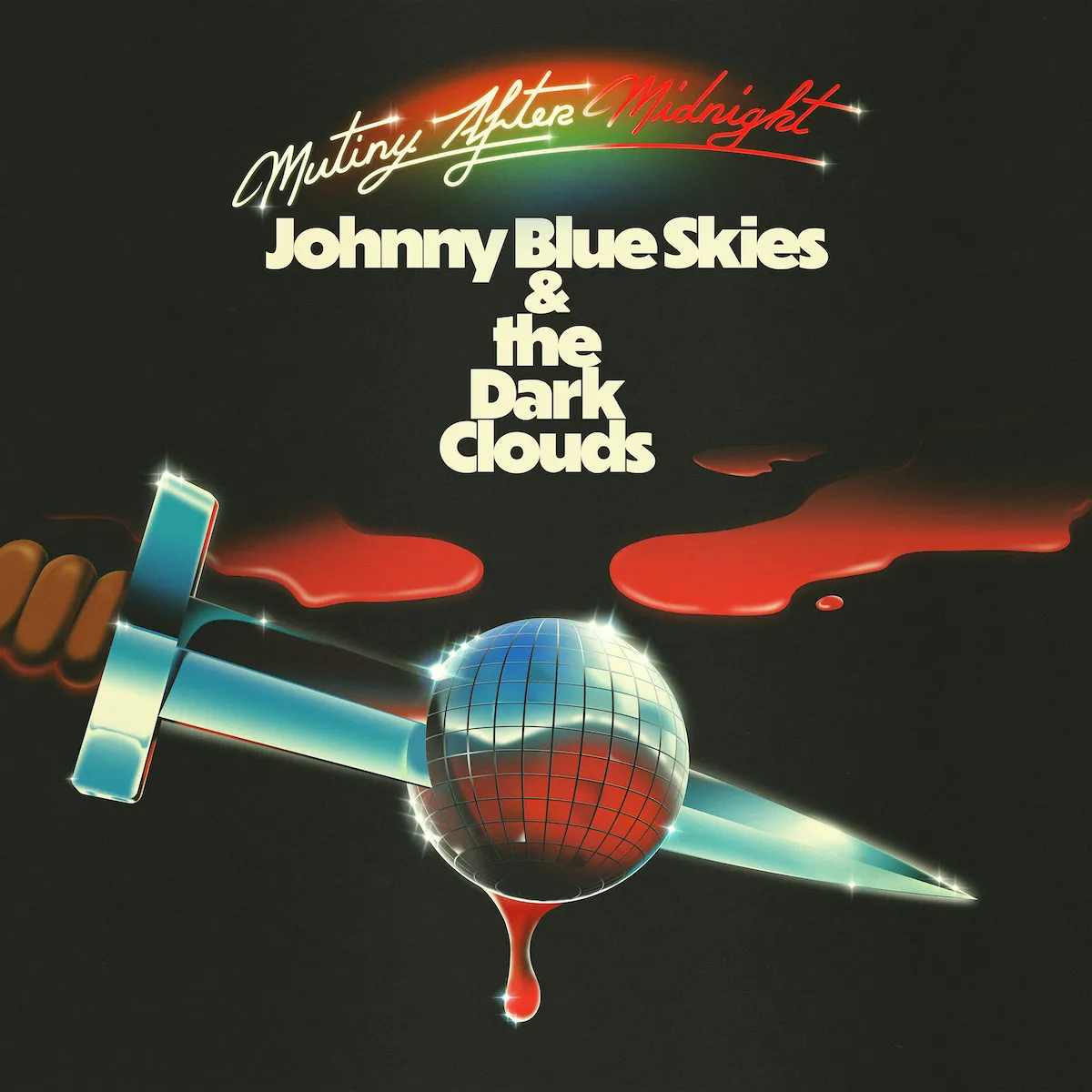
Sturgill Simpson, releasing under his Johnny Blue Skies alias, has put Mutiny After Midnight on streaming and added a bonus cover. For decision-makers in music and media, it is a practical reminder that release formats and distribution timing can materially change audience reach and engagement.
Sturgill Simpson just turned Johnny Blue Skies’ Mutiny After Midnight into streaming with a bonus cover. The album was already making waves, but the availability story is what really matters: at first, it was only available physically, and it was briefly on YouTube. Today, on Sturgill Simpson’s birthday, the country-rock maverick expanded the release to streaming and celebrated with extra music.
That move answers the obvious question fans and industry watchers had: if Mutiny After Midnight was already strong enough to be discussed as one of the best albums of the year, why was it not fully everywhere from day one? The answer is timing and format. Initially, the album’s reach was constrained to physical availability, with a short YouTube window. Now streaming removes those friction points and turns “harder to find” into “one search away,” which can dramatically increase how fast new listeners discover an album, how often it gets added to playlists, and how consistently it stays in circulation.
There is also a subtle brand lesson inside this decision. Sturgill Simpson is operating under his Johnny Blue Skies alias, which signals a deliberate creative lane, not just a marketing label. Using an alias can help an artist separate eras, aesthetics, or sound worlds. But distribution still has to do the heavy lifting. When an album is only physical, even dedicated fans have to take extra steps. Briefly appearing on YouTube helps visibility, but it is not the same as streaming, where catalog behavior is built into the platform. In other words, the alias may define the identity, but streaming defines the discovery pathway.
For executives and boards in music, media, and adjacent platforms, this is a reminder that “release strategy” is not a soft concept. It is a measurable lever. Physical-first rollouts, limited digital windows, and delayed streaming releases can create scarcity and hype early on, but they also trade away some of the compounding effect that streaming ecosystems deliver. Streaming does not just distribute. It continuously reintroduces catalog to listeners via recommendation engines, playlist placement, and ongoing listening habits.
The second-order implications are worth spelling out, especially if you are the sort of operator who thinks about lifecycle value rather than only launch-day performance. First, expanding to streaming can extend the commercial runway of an album that has already been evaluated by critics and fans. The source frames Mutiny After Midnight as “one of the best albums of the year,” which matters because streaming platforms often distribute culture as well as catalogs. Strong critical positioning can turn streaming into an accelerant rather than a starting gate.
Second, the bonus cover changes the math slightly. It is not merely “we added streaming.” The release is also “we added something.” That matters because it gives both existing fans and potential newcomers a fresh reason to click. Bonus tracks, remixes, and covers often function like small events inside a larger album cycle. They can drive renewed attention, which can then translate into more shares, more playlist updates, and more conversions from casual listeners to repeat listeners.
Finally, there is the meta lesson on how artists and labels manage control. The album was physically available first, then briefly on YouTube, and now fully on streaming. That pattern suggests a conscious pacing of distribution rather than an accidental gap. For peers deciding how to stage content across platforms, the strategy is basically: use earlier, constrained windows to create narrative and collect the early believers, then open the floodgates when the audience has enough context to care. You can see that logic in how the source ties the streaming switch to Sturgill Simpson’s birthday. It is a celebratory timing choice, but it also functions as a clean “announcement moment” that can cut through the noise.
In short, Sturgill Simpson put Mutiny After Midnight on streaming today, under his Johnny Blue Skies alias, and paired the rollout with a bonus cover. If you run a label, a platform, or any business that depends on attention cycles, this is the kind of move that turns a great album into a longer-running asset. For audiences, it is simpler and better: one of the best albums of the year is now easier to access, and it comes with extra music to boot.
This story's Key Insights and Take-aways are locked.
Create a free account to unlock Executive Actions for one credit.
Register to UnlockAlways free for Executives Club members. Join the Club
More in Entertainment

Entertainer Russell Brand denies 7 sex charges amid accuser's 'couldn't breathe' claim
The alleged victim's account sharpens the reputational and legal stakes for Brand, his platforms, and any business tied to a public figure under criminal scrutiny.

Russell Brand's accuser 'bewildered and confused' as he denies 7 sex charges
The criminal case against the comedian is a live test of how media companies manage talent risk when serious allegations go public.

'It's a Magic Trick': Ballet Experts Say Rosalía's SNL Pose Is Impossible
Three ballet experts tell Rolling Stone Rosalía's gravity-defying SNL stillness shouldn't be possible - and why the debate is now part of the show.