
Subnautica 2 hits 4 million sales as Unknown Worlds teases a bigger 1.1 drop
Unknown Worlds says the early access hit is adding a new vehicle, a new region, and multiplayer fixes, after 4 million copies sold and a 467,000-player peak.
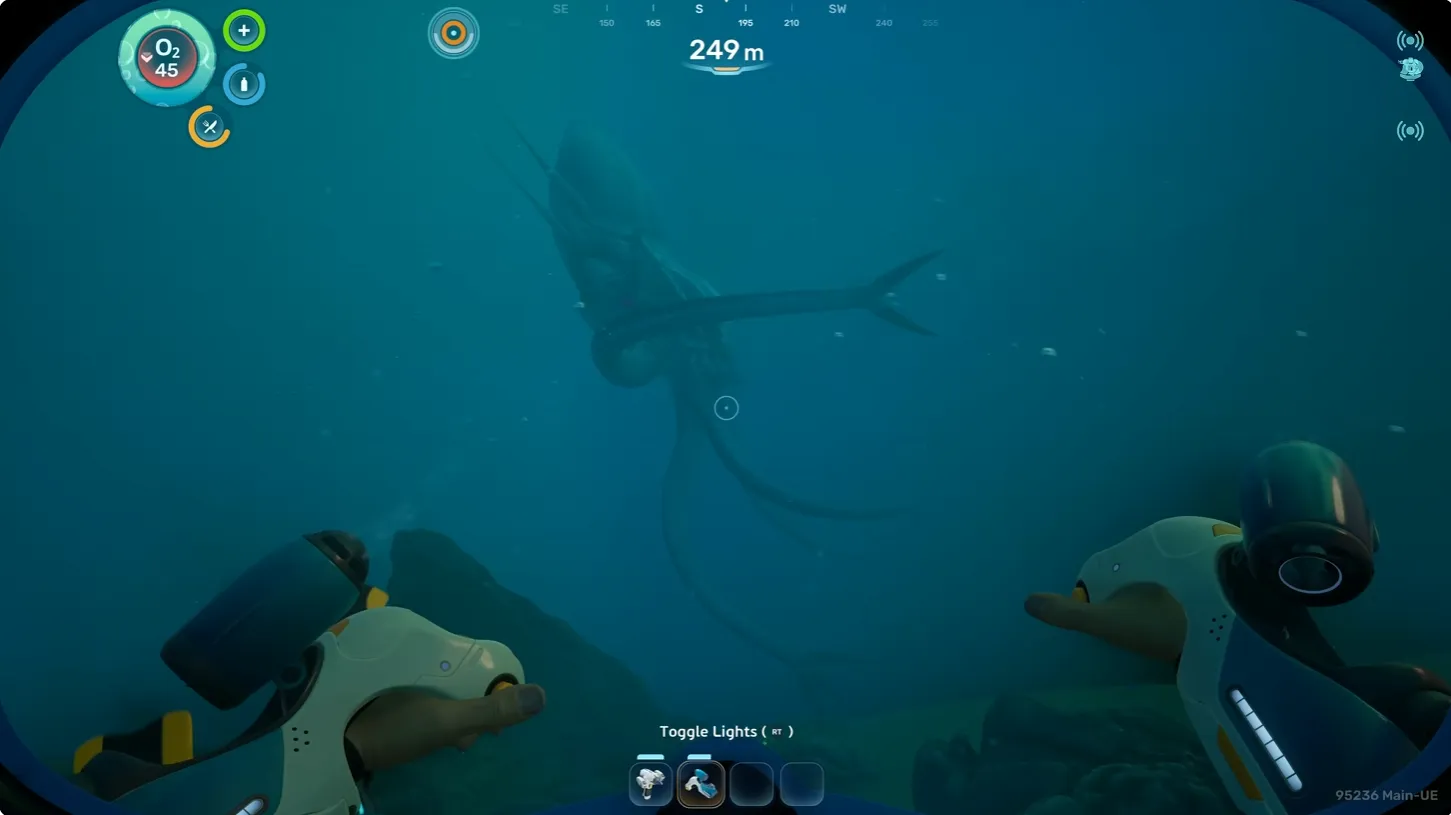
Unknown Worlds says Subnautica 2 has sold 4 million copies since its early access launch on May 14, with 467,000 peak concurrent players on Steam, and is now mapping out update 1.1 plus smaller near-term fixes. For game leaders, the message is blunt: a breakout hit can still expose product gaps, shift live-ops priorities, and create financial stakes big enough to reshape publisher-developer relationships.
Subnautica 2 is already a monster success by early access standards. Unknown Worlds says the game has sold 4 million copies since launching on May 14, and it has reached more than 467,000 peak concurrent players on Steam. That is the kind of traction most game teams would build an entire road map around, and it is also why the next updates matter: when a title is performing like this, every design decision gets louder, faster, and more expensive.
Now the studio is laying out what comes next. Smaller updates will expand the currently limited Biomods system by adding more passive slots and new options for, in the studio's words, “deepening early-game survival strategies.” Unknown Worlds is also moving on multiplayer quality-of-life features, including proximity voice chat, emotes, and expanded character customisation. The studio says multiplayer in Subnautica 2 proved more popular than it expected, so it is playing catch-up on features that matter once a game becomes a social hangout as much as a survival sim. In plain English: the audience showed up faster than the feature set did, and now the team has to close that gap while the player base is paying close attention.
The bigger swing is early access 1.1, which will add a new vehicle and a new region centered around the Collector Leviathan. In a developer update, design lead Anthony Gallegos said the region will include new creatures, new resources, and a progression and story-driven structure. He also said the update will add a new chassis that “brings back one of the most requested player experiences,” and teased, “So, get ready to get stompy.” The likely read is that Subnautica 2 is bringing back a version of the Prawn suit, the bipedal mechanical walker from the first game, though the studio did not name it outright in the update. Gallegos also said, “Our goal is to let you jump in without having to start a new save. Rather, pick up right where you left off. I really think it's going to be the scariest the game has been yet, and I can't wait for you to try it.”
That matters because Subnautica has always sold more than just ocean scenery. Its appeal comes from discovery, pressure, and the constant tension between curiosity and vulnerability. A new vehicle that restores a fan-favorite power fantasy is not just a toy, it changes how players move through the world and what kinds of risks the game can throw at them. A new region built around the Collector Leviathan suggests Unknown Worlds wants to deepen the creature-driven threat loop rather than simply widen the map. For a live game, that is the balancing act: give players something they have been asking for, but do not flatten the fear that keeps the experience sticky.
The timing also lands in the middle of one of the game's hottest debates. Unknown Worlds recently released a hotfix that changes creature behavior after complaints about not being able to kill predators. The studio has promised to add “mitigation” so players can better deal with predators, but it will never allow players to kill them. Gallegos also recently pushed back on the idea that Subnautica 2 was designed as a “pacifism game,” saying in an interview with MinnMax that the narrative just is not true. For context, that kind of design dispute is not just fandom noise. It is a live product question about how much agency a survival game should give players, and how far a developer can go before it breaks the fantasy that made the franchise work in the first place.
All of this sits on top of a commercial result that changes the stakes for everyone around the game. Subnautica 2 has reportedly done so well that publisher Krafton has agreed to pay a $250 million earnout to the developers, a bonus that was at the center of its high-profile legal dispute with the fired Unknown Worlds leadership. That is the second-order lesson here for publishers, studio executives, and investors: once a hit game starts printing numbers like 4 million copies and a 467,000-player peak, feature road maps stop being just product planning. They become part of a much larger conversation about compensation, control, and who gets rewarded when a sequel outperforms expectations. For peers watching from the sidelines, Subnautica 2 is a reminder that breakout success does not simplify the business. It multiplies the pressure. The better the game does, the more every update, every hotfix, and every unresolved design debate can ripple through the rest of the company.
This story's Key Insights and Take-aways are locked.
Create a free account to unlock Executive Actions for one credit.
Register to UnlockAlways free for Executives Club members. Join the Club
More in Entertainment

Christopher Nolan’s “The Odyssey” posts his biggest Tuesday haul, surpassing “The Dark Knight’s” record
The film’s Tuesday breakout reframes Nolan’s box-office ceiling and forces competitors to rethink timing, budgets, and release strategy.

Kacey Musgraves cancels Aug. 20, 29, Sept. 2 Middle of Nowhere shows
Ticketmaster emails are telling fans refunds are coming, while the tour still starts Aug. 21 in Chicago.

Billie Joe Armstrong launches Epiphone Les Paul Junior and Marshall 1959BJA signature gear
Two limited releases turn decades of Green Day’s tone into branded hardware, including Marshall’s first artist amp in 14 years.