
Suicide Squad delays hit $200M, and two devs say the pressure nearly broke them
Rocksteady developers Axel Rydby and Johnny Armstrong describe spreadsheet-driven deadlines that turned their live-service push into burnout.
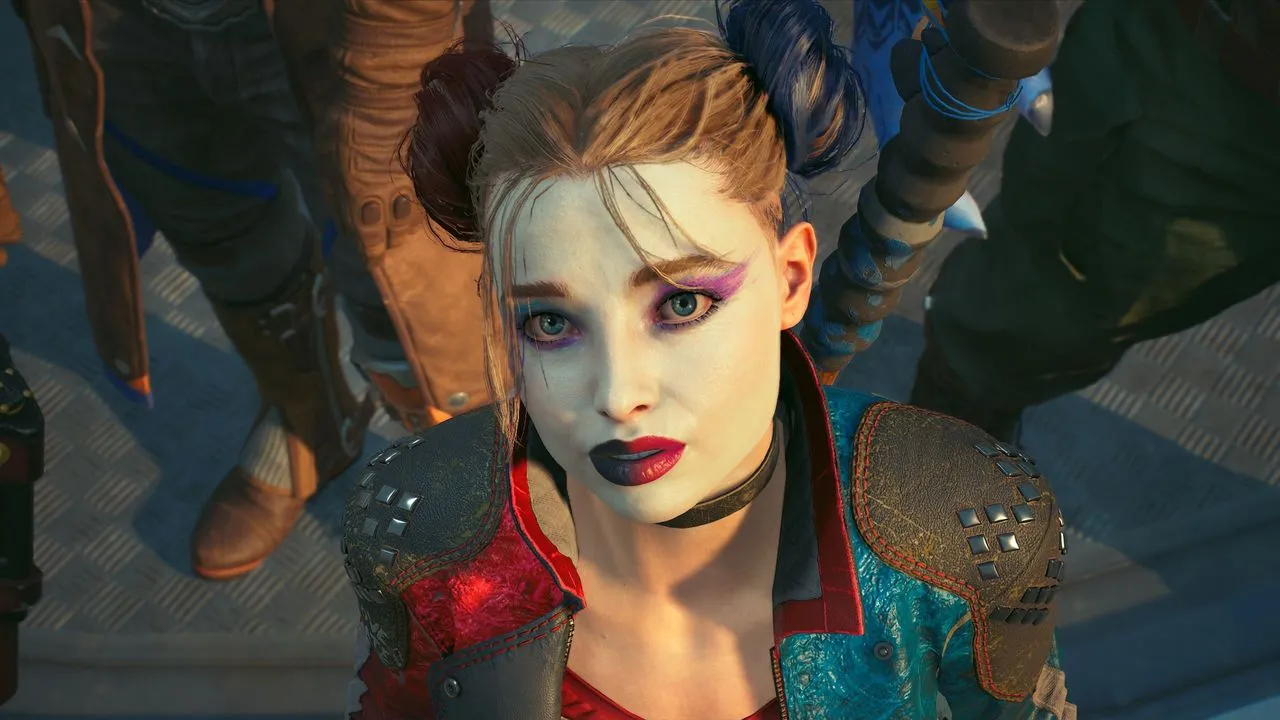
Rocksteady developers Axel Rydby and Johnny Armstrong say the development of Suicide Squad: Kill the Justice League got distorted by arrogance, delays, and pressure to recoup costs. The reported $200 million Warner Bros. cost and their near-exit from the industry are a warning for boards funding live-service bets.
Suicide Squad: Kill the Justice League didn’t just land with a shrug. According to Rocksteady developers Axel Rydby and Johnny Armstrong, the project got so pressure-cooked that it nearly drove them out of game making for good, with the fallout tied to a Warner Bros. cost of $200 million.
In a recent Bloomberg interview, Armstrong describes an early “confidence” when Rocksteady believed it was “coming back off hit after hit.” Then the delays stacked up. Rydby says the shift felt like “I wasn’t making games anymore,” replaced by work tied to an “elusive marketing-analysis spreadsheet that no one could present clearly.” He adds that it made him feel as though “this isn’t the gaming industry I wanted to work in.”
This is the part decision-makers usually skip in postmortems: not the chart, not the review scores, but the internal mechanism. The source frames development as a culture shift. Armstrong says it became less about building something that tangibly got better and more about teams feeling like they had to “run to stand still.” In other words, the organization’s operational rhythm started optimizing for motion over meaning, and the “live service” promise amplified it.
The live-service model is built around ongoing engagement and, in most companies, ongoing revenue. That changes how leadership thinks about “features,” “replayability,” and even what “success” means. Rydby describes executives asking questions like: “How many players can we reach with the feature?” and “How can we twist this design into something that can be more replayable?” This is not automatically unreasonable, but it becomes combustible when the deadlines are unrealistic and when the company treats the output like it is supposed to self-justify.
And the deadlines were the accelerant. Rydby says, “Six months isn’t enough to do any fundamental changes.” He characterizes the timeline as “just enough to just fix as many bugs as you can and see if you can squeeze in a bit of feature tweaks here and there.” When you compress fundamental work into a schedule that is too short, teams end up forced into surface-level adjustments. Armstrong’s description of hours spent without feeling like things were improving “tangibly” matches that pattern.
Cost pressure follows delays like gravity. The source notes that the botched game cost Warner Bros. $200 million, revealed after release. While the article focuses on the developers’ lived experience, the incentive logic is the obvious sequel: when a project gets delayed, the organization doesn’t get more time. It gets more urgency. That urgency then turns into pressure for an “infinite money machine disguised as a live service game,” as Armstrong and Rydby describe it. In that environment, success criteria can drift away from craftsmanship and toward spreadsheet targets.
The most telling detail is what happened to the people. Armstrong says, “I felt everything drained from me.” He then goes further: he told himself, “I can’t do this again. I don’t know if I’m done with the industry, but I’m done,” and adds, “I could feel myself coming apart at the seams.” Rydby and Armstrong ultimately left Rocksteady and teamed up to make Secret of Circadia, a deckbuilding RPG. That project just had its Kickstarter release with a stated goal of raising $11,404 to help develop the game.
Second-order implications are where this stops being “just a bad dev story” and starts looking like board-level risk. When leadership rewards speed to market over learning, and rewards replayability metrics over player experience, teams can become demoralized even if they are working long hours. The story’s core claim is that the organization shifted from passion to expectation. Rydby bluntly frames it: the industry used to be passion projects “that you loved and hoped other people loved too,” but became “Let’s hope it sells. Let’s hope we get money from it.”
For executives and investors evaluating live-service and other long-horizon bets, the strategic stakes are straightforward. If your pipeline depends on a large spend and a tight schedule, delays can quickly become a culture hazard, not just a timeline hazard. And if your internal planning leans too heavily on opaque metrics, teams lose the ability to see whether they are actually getting better. That is how “run to stand still” turns into attrition, and attrition turns into loss of institutional knowledge.
The source lands on a tougher warning: the author doesn’t think “the suits learnt their lesson,” and argues games should be made out of love and passion, not because shareholders discover they can “make a quick buck.” Whether you agree with the tone or not, the reported details make the governance question unavoidable. If a $200 million cost sits behind a development experience that drives talented people to say they feel like they are coming apart, then the true risk is not only financial. It is the erosion of the creative workforce your next big title depends on.
This story's Key Insights and Take-aways are locked.
Create a free account to unlock Executive Actions for one credit.
Register to UnlockAlways free for Executives Club members. Join the Club
More in Business
Comcast shares jump 25% as it plans to split NBCUniversal and Sky
The tax-free spin-off could reshape focus, funding, and competition across media and tech for years.

Bungie cuts most Destiny 2 staff as Sony says Marathon still matters
Herman Hulst confirms layoffs affecting most Destiny and some Marathon teams after Bungie admits Destiny fell short.

SK Hynix jumps 11% after seeking up to $29.4B in Nasdaq listing
The chip giant filed for a Nasdaq listing plan that could raise $29.4 billion, instantly reshaping investor expectations.