

Super Mario Bros. copy sells for $3m, setting a new auction record
A rare preserved cartridge clears $3 million at auction, reshaping how execs think about collectibles as assets.
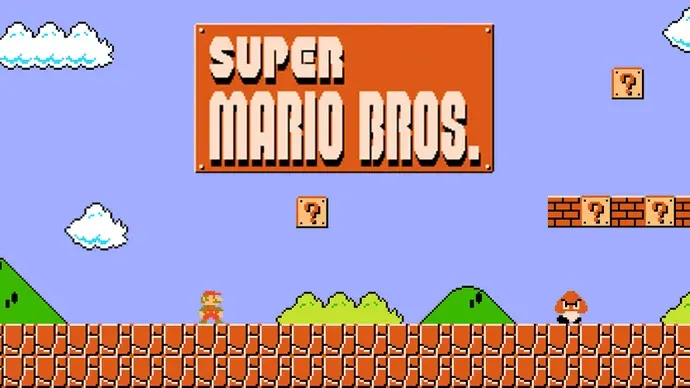
A rare copy of Super Mario Bros. was sold at auction for a record-breaking $3m USD. For decision-makers, the price signals how scarcity pricing is evolving in the collectibles market.
A rare copy of Super Mario Bros. sold at auction for $3m USD, establishing a new record. That number matters because it is not just “big money” or a fun headline for gamers. It is a real market signal: when buyers believe an item is scarce, verifiable, and culturally durable, they will pay like it is liquidity plus provenance.
The $3m outcome is also a reminder of how auction mechanics amplify stories of rarity. Even outside gaming, auctions often reward items that can be clearly documented and confidently valued by collectors who are already aligned on what “counts.” In this case, the item is a classic from Super Mario Bros. The deal size tells executives and board members watching adjacent asset classes that demand can compress timelines and overwhelm traditional “this is just nostalgia” framing.
If you work around capital allocation, the second-order issue is not the nostalgia. It is the pricing discipline buyers are willing to apply when evidence is strong. Collectible markets typically run on three pillars: scarcity, condition, and credibility of history. For a high-end sale to clear at a record-breaking price, the market has to trust that what is being sold is actually the thing people think it is, and that its condition is exceptional enough to justify the premium.
That matters because collectibles are not regulated like public securities. There is usually no centralized disclosure regime that forces consistent reporting standards across sellers. So the due diligence burden often shifts onto buyers, appraisers, and auction houses. When an item reaches a record-breaking result, it can attract attention from investors who do not want operational complexity. But it also raises the bar for how future lots are marketed and documented. If the market decides it will pay $3m for a verified “holy grail” example, the next few auctions will be measured against that benchmark.
There is also a strategic ripple for brands and platforms, even if they are not the seller. Video game IP has long been treated as content. This sale reinforces that certain physical artifacts can become tradeable, high-value assets in their own right. Execs at companies that touch gaming communities should pay attention because collectible markets can pull forward demand for preservation, grading, and authentication services. Those services often sit at the intersection of consumer trust and fee-based business models, which can scale when buyers believe the underlying asset category is legit.
Meanwhile, boards and CFOs watching alternative investments should be careful about what this does and does not imply. A single record sale proves that a market exists and that high bids can happen. It does not automatically prove broad, repeatable returns. Auctions are winners-take-most environments. The $3m figure could reflect exceptional buyer concentration, timing, or a one-of-a-kind combination of demand and item quality. Still, the strategic takeaway is clear: when scarcity meets cultural staying power, pricing can detach from what a rational person expects the average collectible to do.
Finally, the story is a useful case study for anyone managing reputational risk around “asset-like” experiences. Collectibles have their own hype cycles. The best way to survive them is to build systems that reduce uncertainty: documentation, provenance, and transparent handling. That is not just a collector concern, it is an enterprise concern. Auction houses and marketplaces that can reliably deliver those essentials tend to become the trusted bridge between buyers and expensive, hard-to-verify goods.
For peers in similar roles, the stakes are straightforward. If you oversee strategy in consumer, media, or any alternative asset adjacent to culture, the market is telling you that verified scarcity can command serious dollars. The $3m sale of a rare Super Mario Bros. copy is the proof point. The question now is whether your ecosystem, partners, and internal underwriting can keep up with a world where “just a game” can turn into a headline-grade, market-priced asset.
This story's Key Insights and Take-aways are locked.
Create a free account to unlock Executive Actions for one credit.
Register to UnlockAlways free for Executives Club members. Join the Club
More in Entertainment

Russell Brand's accuser 'bewildered and confused' as he denies 7 sex charges
The criminal case against the comedian is a live test of how media companies manage talent risk when serious allegations go public.

'It's a Magic Trick': Ballet Experts Say Rosalía's SNL Pose Is Impossible
Three ballet experts tell Rolling Stone Rosalía's gravity-defying SNL stillness shouldn't be possible - and why the debate is now part of the show.

Activision CMO: GTA 6 Will Boost Call of Duty, Not Bury It
Activision's top marketer says Rockstar's blockbuster will drive players back to consoles and into Modern Warfare 4, even as the company admits its recent strategy failed.