

Supergirl’s 2nd-weekend plunge projects 73% domestic drop
Milly Alcock’s DC superhero flop is set to dive 73% at the domestic box office, deepening the financial pressure.

Forbes reports that Milly Alcock’s DC superhero flop "Supergirl" is projected to plunge 73% in business at the 2nd weekend box office. The consequence is a clearer, faster read on domestic demand and whether studios can recover through future windows.
Things are going from bad to worse for Milly Alcock’s DC superhero flop "Supergirl" at the domestic box office. According to Forbes, it is projected to dive 73% in business at the 2nd weekend. That number is not just a headline metric. It is the market telling you, in real time, whether audiences showed up once or whether the movie has enough momentum to widen its opening-week spike into a longer run.
A 73% weekend drop is the kind of fall that makes distributors, marketers, and theater partners stop talking about “potential” and start doing math. The 2nd weekend is where legs are tested. If the first weekend was driven mostly by initial curiosity, star pull, or aggressive marketing, the second weekend typically reflects whether the movie has a repeatable reason to come back. With "Supergirl" projected to fall 73%, domestic demand looks like it is cooling quickly rather than steadily.
To understand why this matters beyond box-office chatter, you have to remember how theatrical economics usually work. Studios do not rely on one weekend in isolation; they plan around a sequence: opening, then the weekend-to-weekend pattern, then how long screens keep carrying the title. When a movie loses attendance at that pace, theaters often respond by shifting screen time to competitors or reprioritizing schedules. That can create a feedback loop. Less foot traffic leads to fewer showings, and fewer showings can lead to even less foot traffic, all while fixed costs continue ticking.
For decision-makers, that is the core stake of a steep projected drop. The studio team can still make adjustments, but they have less and less leverage the deeper the demand problem gets. Marketing spend can be reallocated, but it usually cannot fully reverse a negative consumer signal in days. Public-facing messaging also becomes harder to manage. When the domestic box office is projected to dive, the narrative risk grows: the longer a title looks like a “flop,” the tougher it is to attract additional audiences who might have waited for word of mouth.
There is also a strategic implication for the broader DC and superhero slate ecosystem, even though Forbes’ report focuses on "Supergirl" specifically. Superhero films typically live or die by brand expectations and audience habits. A large second-weekend plunge can influence how stakeholders read the appetite for future releases, including decisions about release timing, marketing budgets, and which creative directions get more resources. It is not that one movie determines the fate of the franchise. But a clear, early domestic slump can change risk appetite at the margin.
On the corporate side, these patterns often intersect with board dynamics and capital planning. Film performance affects revenue projections that inform financing assumptions and internal approvals. Even without discussing any specific company balance-sheet details, the mechanism is consistent: expected cash flows can swing quickly when weekend data comes in sharply worse than hoped. That, in turn, can affect follow-on decisions such as whether to press aggressively for extended runs, how to negotiate exhibitor terms, and how to prioritize future releases.
There is also a regulatory and compliance backdrop that executives in media and entertainment know but do not always think about in day-to-day box office coverage. The film industry operates under a web of rating rules, consumer protection requirements, and advertising standards that influence what content can be shown, how it can be promoted, and to whom. Those frameworks do not directly cause a 73% drop. But they shape the allowable levers a studio can pull once performance trends turn. If a title underperforms in the market, the options for course-correcting are narrower because the product, its rating constraints, and its marketing claims are already locked in to a degree.
So what should peers and executives take from Forbes’ projection? First, the domestic second weekend is not a footnote. It is a live stress test. A 73% dive signals that the movie is not sustaining interest domestically, fast. Second, the faster the decline appears, the sooner teams must shift from “monitoring” to “managing outcomes,” including how screens, promotions, and expectations are handled in the remaining run. And third, for anyone underwriting similar genre bets, this is a reminder that audience inertia matters as much as initial curiosity.
In short: the market is already moving on "Supergirl". Forbes reports a projected 73% domestic dive at the 2nd weekend. For studios, distributors, and investors watching closely, that is a clear signal about domestic traction, a warning about momentum risk, and a prompt to revisit assumptions before the next weekend confirms the downtrend even further.
This story's Key Insights and Take-aways are locked.
Create a free account to unlock Executive Actions for one credit.
Register to UnlockAlways free for Executives Club members. Join the Club
More in Business
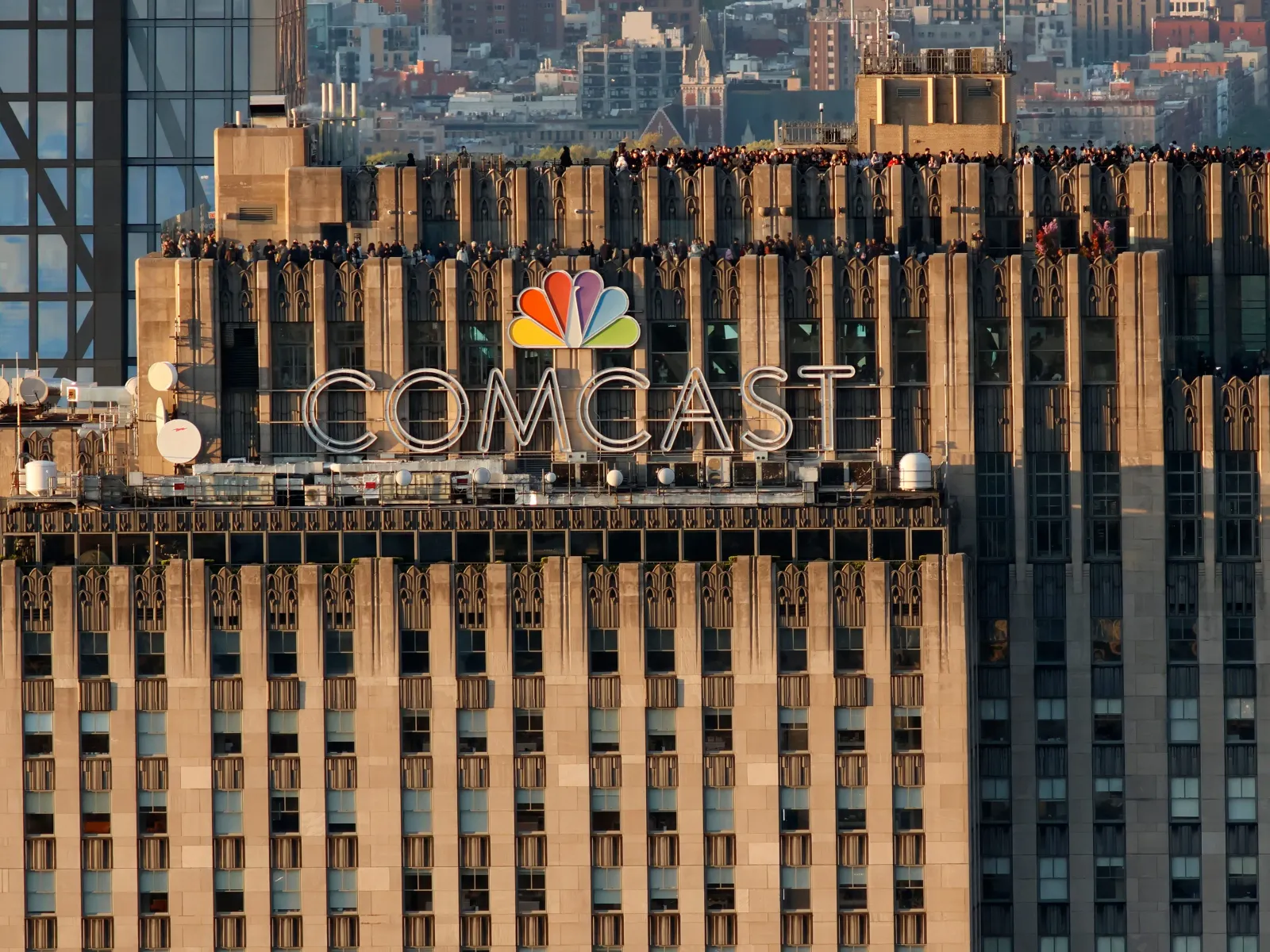
Comcast shares jump 25% as it plans to split NBCUniversal and Sky
The tax-free spin-off could reshape focus, funding, and competition across media and tech for years.

Bungie cuts most Destiny 2 staff as Sony says Marathon still matters
Herman Hulst confirms layoffs affecting most Destiny and some Marathon teams after Bungie admits Destiny fell short.

SK Hynix jumps 11% after seeking up to $29.4B in Nasdaq listing
The chip giant filed for a Nasdaq listing plan that could raise $29.4 billion, instantly reshaping investor expectations.