

Suzhou court orders Molly Tea to pay Louis Vuitton US$1.5M over logo infringement
The ruling forces a Chinese tea chain to pay 10.3 million yuan within 10 days for a similar four-petalled floral monogram.
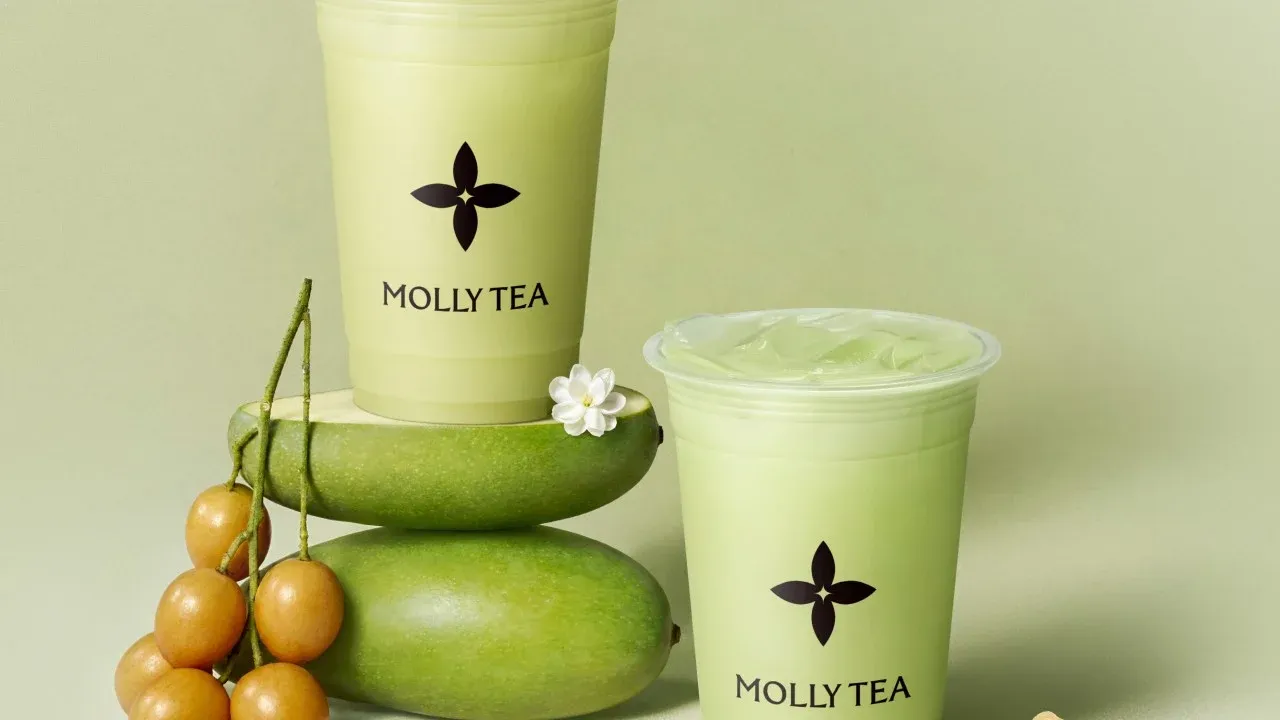
China's Suzhou Intermediate People’s Court ordered Shenzhen-based tea chain Molly Tea to pay Louis Vuitton US$1.5 million in damages for trademark infringement. The decision, including 10 million yuan for economic losses and 300,000 yuan, must be paid within 10 days.
A Chinese tea chain just got hit with a hard six-figure bill in court. The Suzhou Intermediate People’s Court, in eastern China’s Jiangsu province, ordered Shenzhen-based Molly Tea to pay Louis Vuitton 10.3 million yuan, which is about US$1.5 million, for trademark infringement. The court ruled on “the unauthorised use of a logo similar to” Louis Vuitton’s four-petalled floral monogram.
The order came with a deadline that matters to operators, not just lawyers. The court said Molly Tea must pay the compensation within 10 days. In the trademark infringement lawsuit, the compensation included 10 million yuan for economic losses and 300,000 yuan for additional costs or components the court counted as part of the damages.
So what is actually going on here, beyond the headline number? Trademark enforcement in China can move quickly when a brand believes its identity is being copied closely enough to confuse the market. In this case, the alleged infringement is not a generic “inspired by” design. It is a logo that the court found to be similar to the French luxury brand’s four-petalled floral monogram. For Louis Vuitton, those small design details are not decorative. They are the brand’s recognizable shorthand in retail spaces, marketing, and product packaging.
For Molly Tea, the financial impact is more than the immediate cash. A damages award like this forces management to answer a brutal operational question: how did the brand end up using a similar logo in the first place? That question tends to land on procurement, marketing, and legal, and it often triggers a chain reaction of internal clean-up. Companies typically need to audit all outward-facing assets, from storefront signage to packaging runs, social media posts, and any licensing agreements. If a logo was used across multiple product lines, the cost can expand from “pay the court” to “stop the bleeding everywhere.”
There is also the board-level dynamic. Trademark cases are often framed as legal disputes, but they are actually reputational and commercial ones too. A luxury brand going after a chain like a tea operator signals that the infringement risk is being treated as material. For executives and directors, that is a warning flare: even non-luxury categories can become targets if the look and feel is close enough to trigger confusion. The court’s decision makes the risk feel less theoretical.
Zooming out, this ruling illustrates a pattern in trademark litigation: courts look at similarity and unauthorized use, not just whether someone had malicious intent. That means brand and design teams need process discipline. It is not enough to “think it was close but not the same.” Companies generally need clear standards for logo clearance, design approvals, and trademark searches, plus a documented record of who reviewed what and why. When those controls are missing, the damages can turn into a surprise line item that crowds out growth spend.
The specific numbers in this case also matter for CFOs. The award totals 10.3 million yuan, with 10 million yuan attributed to economic losses and 300,000 yuan counted separately as part of the compensation. That structure is a reminder that courts can break damages into components, and that economic loss is a major piece. In practical terms, that makes it harder to treat these awards as simple penalties. They are grounded in the idea that infringement can affect revenue, brand value, and market positioning.
Finally, the 10-day payment window turns this from a “someday problem” into a cash timing problem. Executives have to plan liquidity under a hard deadline, sometimes while appeals and negotiations are uncertain. In industries where margins are tight and marketing calendars are fixed, a forced payment can disrupt budgets and create pressure to cut elsewhere.
For peers watching from the outside, the takeaway is simple but not comforting. Trademark similarity is being enforced, and the consequences can be immediate, specific, and expensive. If you are building or scaling a consumer brand in China, this case is a reminder that design decisions are not just creative. They are regulated, they are monetized in court, and they can land on your balance sheet faster than your legal team can tidy up.
This story's Key Insights and Take-aways are locked.
Create a free account to unlock Executive Actions for one credit.
Register to UnlockAlways free for Executives Club members. Join the Club
More in Business
Comcast shares jump 25% as it plans to split NBCUniversal and Sky
The tax-free spin-off could reshape focus, funding, and competition across media and tech for years.

Bungie cuts most Destiny 2 staff as Sony says Marathon still matters
Herman Hulst confirms layoffs affecting most Destiny and some Marathon teams after Bungie admits Destiny fell short.

SK Hynix jumps 11% after seeking up to $29.4B in Nasdaq listing
The chip giant filed for a Nasdaq listing plan that could raise $29.4 billion, instantly reshaping investor expectations.