

Swallowable paper battery powered implants in pigs for 3 days, then dissolved
MIT's dissolving battery could spare future patients a retrieval surgery, but capacity must jump 10x before it is clinic-ready.
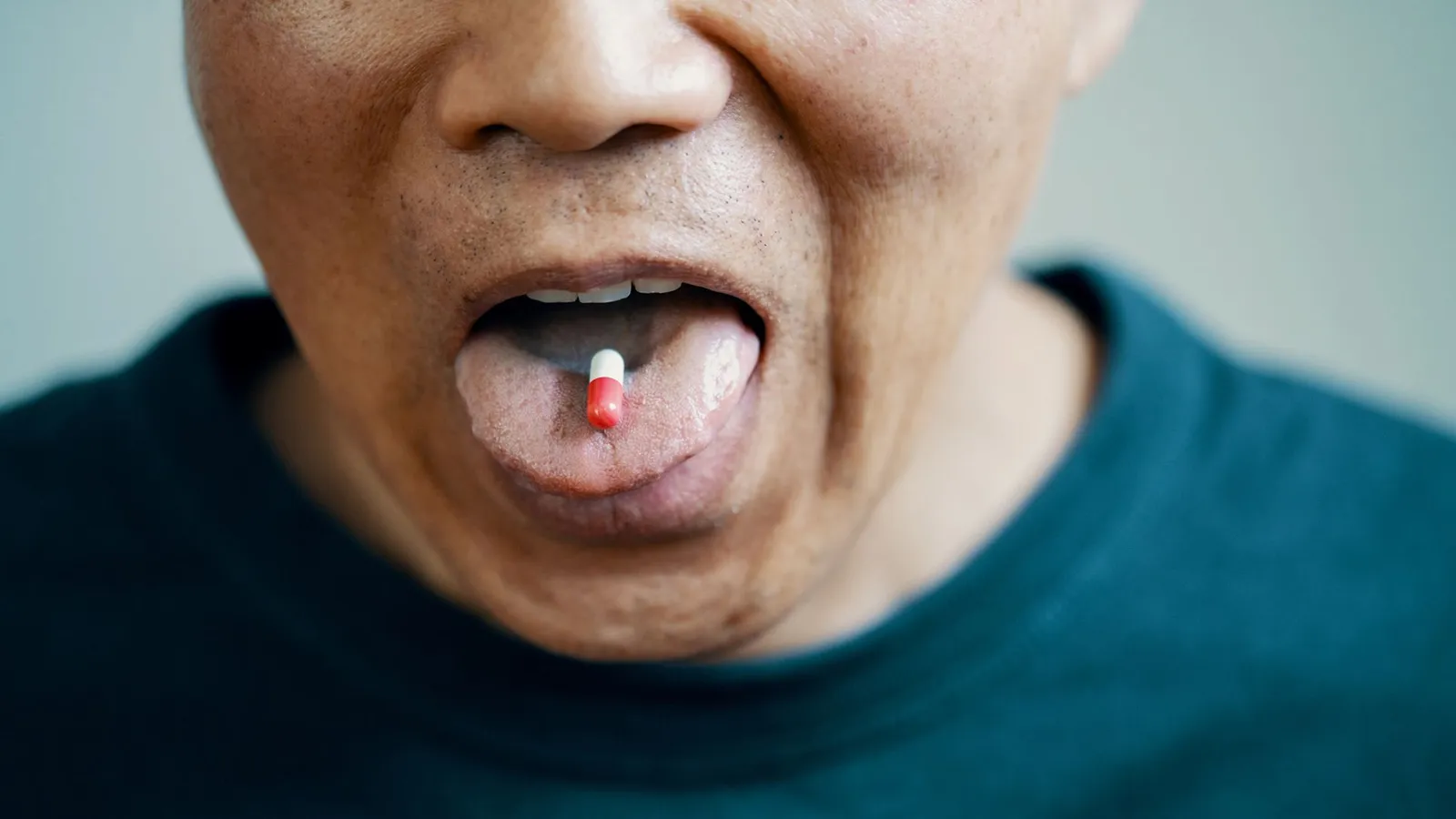
MIT's Giovanni Traverso and colleagues built a swallowable paper battery that powered medical devices in pigs for up to three days before safely degrading, as reported in Nature Chemical Engineering. The design could eliminate the surgery required today to retrieve temporary implant batteries, with the team targeting a human RFID trial in about two years.
A swallowable paper battery has powered medical devices inside pigs for up to three days, then broken down into benign components, according to a study published Monday (Sept. 21) in Nature Chemical Engineering. The biodegradable power source, developed by MIT's Laboratory for Translational Engineering, is designed to replace the sealed, nondegradable batteries used in ingestible devices today, which require surgical retrieval once no longer needed.
In the animal tests, the battery ran two experimental tools. The prototypes were placed inside 3D-printed capsules and delivered orally using an endoscope. A smaller version powered a wireless RFID tag positioned in the esophagus, which detected when pigs swallowed medication and communicated with a receiver up to 5 feet (1.5 meters) away. A larger version powered a swallowable capsule that electrically stimulated the stomach, boosting blood levels of the hunger hormone ghrelin without visible tissue damage. Both batteries worked for up to three days, with voltage and capacity declining as they degraded.
The design hinges on unconventional materials. The battery layers a magnesium alloy anode against a molybdenum trioxide and activated carbon cathode, with a biodegradable electrolyte between them. Cellulose nanofibrils bind the structure into a thin, porous paper, a change from earlier prototypes that used larger binders. "The paper structure improves the battery's strength and control over degradation while still allowing it to produce electricity," said study co-author Giovanni Traverso, who directs MIT's Laboratory for Translational Engineering.
To keep stomach acid from eating the battery too fast, the team coated it with beeswax, and in some versions candelilla wax derived from the desert shrub Euphorbia antisyphilitica. "The wax coating is not simply packaging," Traverso said. "It is a key design element that controls the functional lifetime." The team built two versions: a small one that fits a standard gelatin capsule, producing 1.77 volts and 2 milliampere-hours per square centimeter, and a larger one producing 1.84 volts with a maximum capacity of 3.5 milliampere-hours.
That capacity is enough for low-power sensors but not for heavier loads. Reza Ghodssi, a professor of electrical and computer engineering at the University of Maryland who was not involved in the work, called it exciting because the battery is the component that takes up the most space in an ingestible device. But he noted the technology needs "an order of magnitude higher capacity" to be even more promising. In the pig tests, the larger battery's voltage dropped from about 1.8 volts to 1.45 volts by day three, and the smaller battery fell from 1.7 volts to 1.35 volts.
The commercial and clinical logic is straightforward. Ingestible devices detect bleeding, dispense medication, or stimulate specific tissues, and today they carry sealed batteries that must be retrieved or excreted. A bioresorbable battery removes retrieval surgery, reduces device size, and could make temporary diagnostics as disposable as a pill. The same materials have already appeared in earlier biodegradable battery prototypes for temporary medical and wearable electronics. Northwestern bioelectronics pioneer John Rogers, who was not involved in the study, stressed that the electronic circuit boards used in the stomach-stimulation experiment did not degrade and were simply passed by the pigs. "Making every part of the device bioresorbable could eliminate the risk of a leftover component becoming lodged in the gastrointestinal tract," he said.
The biggest obstacle is predictability. Traverso said the team found variability between batteries traced to layer contact, electrolyte distribution, and wax thickness. They are standardizing manufacturing and tuning the coating so devices can be designed to function for hours or days, and they are planning longer tests in conditions that mimic the human gastrointestinal tract. The goal is an initial clinical trial of the RFID system that could begin in about two years. Gastric electrical stimulation is already used in people with severe gastroparesis, but the battery-powered capsule tested in this study is experimental.
For executives across medtech and diagnostics, the timeline matters. If the RFID human trial launches on schedule and safety holds, a commercial ingestible diagnostic could follow within a few years, creating a new revenue line for device makers and pressuring battery suppliers who currently dominate the sealed-cell market. The immediate prize is not the milliamp output but the license to design capsules without a retrieval step, and the company or lab that closes the capacity gap will dictate the next decade of swallowable electronics.
This story's Key Insights and Take-aways are locked.
Create a free account to unlock Executive Actions for one credit.
Register to UnlockAlways free for Executives Club members. Join the Club
More in Science

Alaska's 1,580-foot tsunami had warning signs. Scientists just found them.
Rapid glacier retreat, heavy rainfall, and thousands of tiny tremors preceded Alaska's 1,580-foot tsunami, a warning for every coastal community in a warming world.

The rare mutation that lets high-risk brains dodge Alzheimer's
Scientists found a natural defense against protein buildup, opening a new path to preventive treatments.

3,000 steps a day may halve Alzheimer's decline, study finds
New research links a modest daily walk to less tau buildup and nearly half the cognitive and functional decline, even for those with early signs.