
Switch 2 hits 5.9M U.S. installs in a year, PS5 collapses after price hike
Circana data shows Switch 2 surging as May hardware spend rises, while PS5 units hit their lowest May since 2000.

Circana data analyzed by IGN reports the Nintendo Switch 2 ended its first 12 months on sale with a 5.9 million U.S. install base, while PlayStation 5 spending and unit sales fell sharply after a price increase. For decision-makers, the split signals that console pricing power is fragile and consumer switching is real, not theoretical.
Nintendo Switch 2 finished its first 12 months on sale with a 5.9 million U.S. install base, making it the second fastest-selling hardware in U.S. history. Only the Game Boy Advance, with 6.5 million units over its first year, posted a higher first-year number, according to Circana data cited by Mat Piscatella, Senior Director, Video Games at Circana.
And the timing matters: May and the 2026 year-to-date performance show a clear divergence across the hardware market. In May, PlayStation hardware took a hit, with PlayStation hardware unit sales falling to their lowest May total since May 2000, while PS5 second sits across units and dollars for May and for 2026 year-to-date. Circana also reported that May 2026 hardware spending increased by 38% year-over-year to $249 million, while Nintendo Switch 2 offset a 43% year-on-year drop in PS5 spending (and a 58% dip in PS5 unit sales) driven by recent price increases.
So what is actually happening under the hood? It is not just “Switch is selling.” It is the pricing cycle colliding with consumer behavior. Nintendo has publicly said Switch 2 is its fastest-selling hardware ever globally, even as it acknowledged some sales struggles at the back end of 2025 in western markets. In May, Nintendo said it expected to sell fewer Switch 2 consoles over the console’s second year because Switch 2 sales “were more concentrated in the launch year in comparison to previous hardware systems.” That framing is important for anyone who plans launches or budgets, because it turns a victory lap into a forward-looking question: how much of the current momentum is durable, and how much is front-loaded by launch demand.
Nintendo is also explicitly raising the floor on price. The source notes that Nintendo will increase the Switch 2 price by $50, raising it to $499.99 on September 1. And there is a real-world market mechanism implied by the numbers: perhaps in part due to that price rise announcement, Switch 2 sales were boosted in May. In other words, the market appears to respond quickly when customers believe the “window” to buy at today’s price is closing.
Circana’s broader hardware spend snapshot also shows why PS5 weakness is not just a PS5 story, it is a sector story. Xbox Series hardware spending grew 7% year-over-year, but units fell by 12%. The average price paid for a new unit of video game hardware reached $502 in May, up 14% versus a year ago ($440), per Circana. PlayStation 5 average pricing in May 2026 increased by 33% versus a year ago to $672, while Xbox Series average pricing rose 22% to $524. When average prices move up that aggressively, it does not automatically translate into more units, because affordability and willingness-to-buy are not unlimited.
This pressure is not theoretical. The source connects it to the industry’s next-gen pricing anxiety, with reports indicating Sony’s PS6 and Microsoft’s Project Helix could launch around $1,000. Last month, Sony said it had yet to decide when to launch the PS6 or how much it would cost, as memory shortages continue to hit hard. Earlier this month, new Xbox CEO Asha Sharma said the spiraling cost of new and existing consoles would require “radically different business models” over the coming generation, adding the industry had “reached a point where it will be hard to imagine” mass audiences still being able to afford “thousands of dollars” for a new console generation. For executives, that is the strategic north star: pricing and cost structure are converging, and the market is signaling constraints.
Against that backdrop, Nintendo’s near-term expectations underline that even a breakout year can come with a normalization phase. Nintendo expects to sell 16.5 million Switch 2 units over the coming financial year, down from the 19.86 million it has sold since launch. But the company also expects Switch 2 cumulative sales after 22 months to be ahead of Switch 1 at the same point in its life cycle. The source ends with the key uncertainty executives care about: whether Switch 2 can maintain Switch 1’s long-lasting success.
For boards, CFOs, and product leaders across consumer tech, the takeaway is brutally practical. Hardware markets can flip fast once pricing rises, and they do not always reward the incumbent in the same way. In this snapshot, Switch 2 is proving that consumers will move when value perception and price windows line up, while PS5 is showing that pricing changes can quickly suppress units even when overall hardware spend rises. That combination is the real story, and it is a warning to anyone assuming the market will “absorb” higher prices without trading down, waiting, or switching platforms.
This story's Key Insights and Take-aways are locked.
Create a free account to unlock Executive Actions for one credit.
Register to UnlockAlways free for Executives Club members. Join the Club
More in Business

A flaw in PHP just forced governments to pull their own sites offline
European agencies from Belgium to Germany took websites dark to patch a critical weakness in the language behind almost 70% of the web, and the blast radius extends far beyond government portals.

BioWare shuts down, Mass Effect 5 dead after $55B EA buyout
The legendary RPG studio's closure lands months after a $55 billion investment group buyout of EA, raising tough questions for gaming's biggest acquirers.
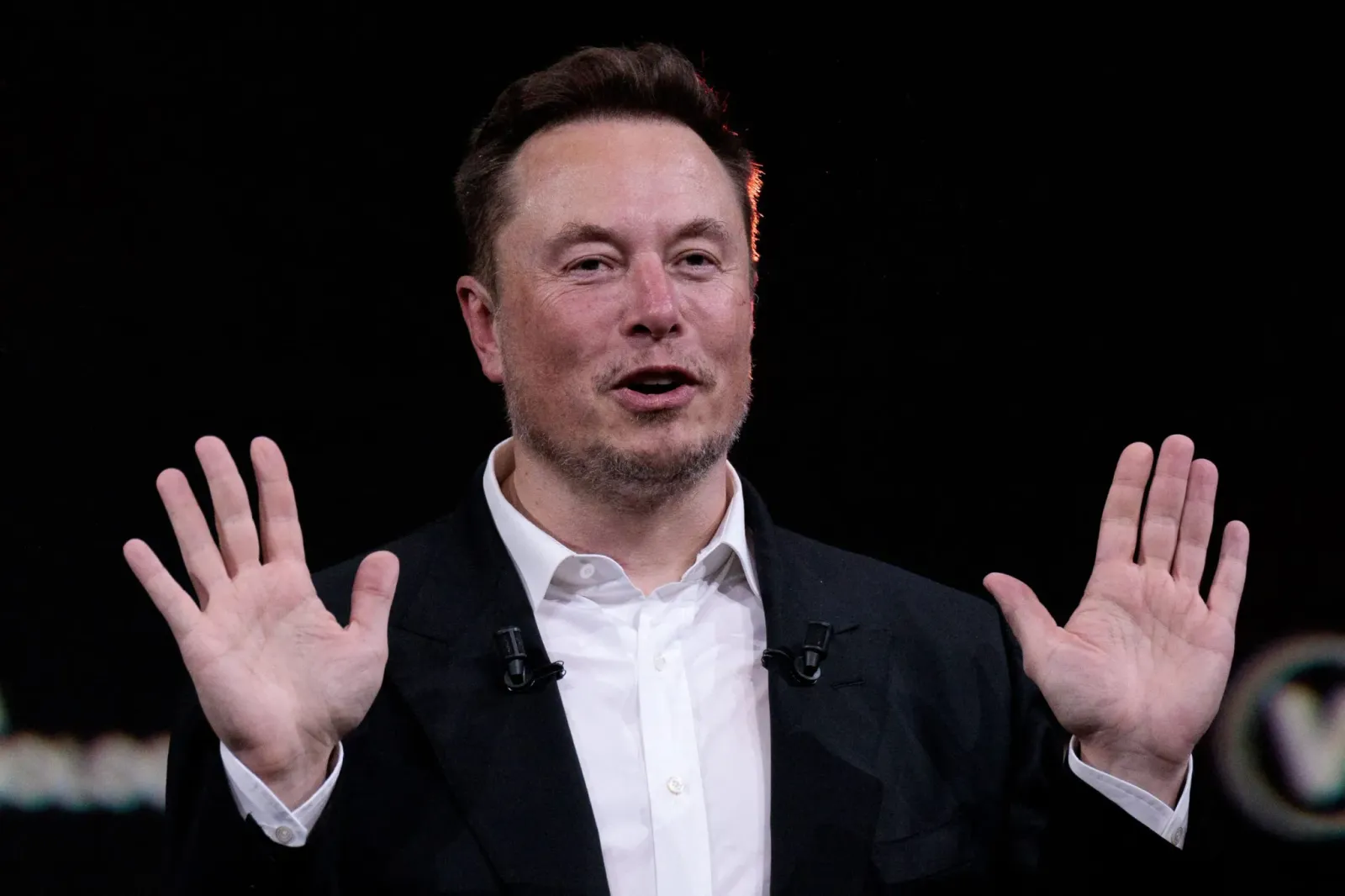
Musk barred from the room as Tesla, SpaceX boards weigh $3.5 trillion merger
The CEO of both companies is a 'conflicted party' watching independent directors negotiate a tie-up that would create a $3.5 trillion giant he would own about a third of.