

Taiwan’s chip leverage: can it pressure Trump, or will chips backfire?
The question is blunt: can Taiwan use its chipmaking power as leverage in US politics?

The Economist examines whether Taiwan can use its chipmaking industry to strong-arm Donald Trump. For decision-makers, the consequence is a high-stakes tradeoff between industrial strategy, regulatory risk, and geopolitical bargaining power.
Can Taiwan use its chipmaking industry to strong-arm Donald Trump? That is the core question The Economist puts on the table, and it matters because chips are no longer “just another sector.” They are infrastructure for everything from consumer electronics to defense systems, and they sit at the center of national security policy.
In practice, Taiwan’s bargaining power depends on how its chipmaking ecosystem fits into the United States’ economic and strategic priorities. The Economist’s framing points to an increasingly transactional world, where allies and partners try to translate industrial capability into political leverage. Taiwan, in other words, is not merely selling products. It is sitting on a chokepoint the US cannot easily replace overnight, and that creates the possibility of pressure, not just partnership.
To understand why “bullying” might even be on the menu, it helps to remember how global chip supply chains work. Advanced chip production is intensely specialized. It requires specialized tools, rare know-how, and long-running supply chains for materials and components. Even when governments want to diversify, the constraints are physical and engineering-based, not just contractual. That means the timeline for “find a new source” is usually measured in years, not weeks. In a US policy environment where political decision-making can move faster than industrial reconfiguration, chokepoints become leverage.
But leverage can cut both ways. For the US, Taiwan’s chip dominance can look like an asset to protect and a vulnerability to manage. That dual perception shapes policy tools: export controls, incentives for domestic manufacturing, and “friend-shoring” arrangements with partners. For Taiwan, the risk is that attempts to pressure Washington could trigger stronger countermeasures, including accelerated efforts to reduce dependency. If the US interprets Taiwan’s posture as coercive, it may respond by pushing harder on diversification, stockpiling, and alternative supply chains.
This is also where regulatory framing gets strategic. Chip policy is not only economic policy. It is national security policy. When chips are treated as strategic assets, bargaining becomes less like traditional trade negotiation and more like a contest over control. The Economist’s title, about allies learning how to bully America, underscores the shift: leverage is being learned, tested, and operationalized by countries that understand the US cannot ignore industrial dependencies.
There is another layer, too: domestic politics in the US. Donald Trump’s approach to trade and international disputes has often emphasized dealmaking and pressure. If Taiwan believes it can apply pressure through industrial capacity, it is effectively trying to align its strategic constraint with the political style of the moment. The question is whether that alignment creates an outcome Taiwan wants, or whether it provokes a harder line. The Economist’s question is doing real work here. It implies that the direction of travel might not be obvious to either side, and the margin for error is thin because chips touch so many industries.
For executives, boards, and investors, the second-order implications are immediate even if the story is geopolitical. When the supply base is treated as a bargaining chip, companies in the ecosystem are exposed to sudden policy shifts. Export restrictions or procurement preferences can change revenue forecasts overnight. Currency and logistics planning can become less about efficiency and more about resilience. And corporate strategy has to anticipate that “stable partnership” can turn into “contested leverage” depending on how negotiations play out.
In a world where allies are learning how to pressure the US, the real stake is strategic autonomy for everyone else in the chain. Taiwan’s question is whether chipmaking can translate into political wins. The broader takeaway for decision-makers is that industrial capacity is becoming political currency. If you operate anywhere near advanced manufacturing, you have to treat regulatory and geopolitical dynamics as operating variables, not background noise. The future of chip supply will not be decided by a single agreement, but by how leverage is tested, where it fails, and what counter-leverage gets built next.
This story's Key Insights and Take-aways are locked.
Create a free account to unlock Executive Actions for one credit.
Register to UnlockAlways free for Executives Club members. Join the Club
More in Politics

Maine Senate race is too close to call, poll shows, sparking 4 warnings for each side
A Times/Portland Press Herald/Siena poll finds an extremely tight contest, so both candidates face real path-to-loss risks.
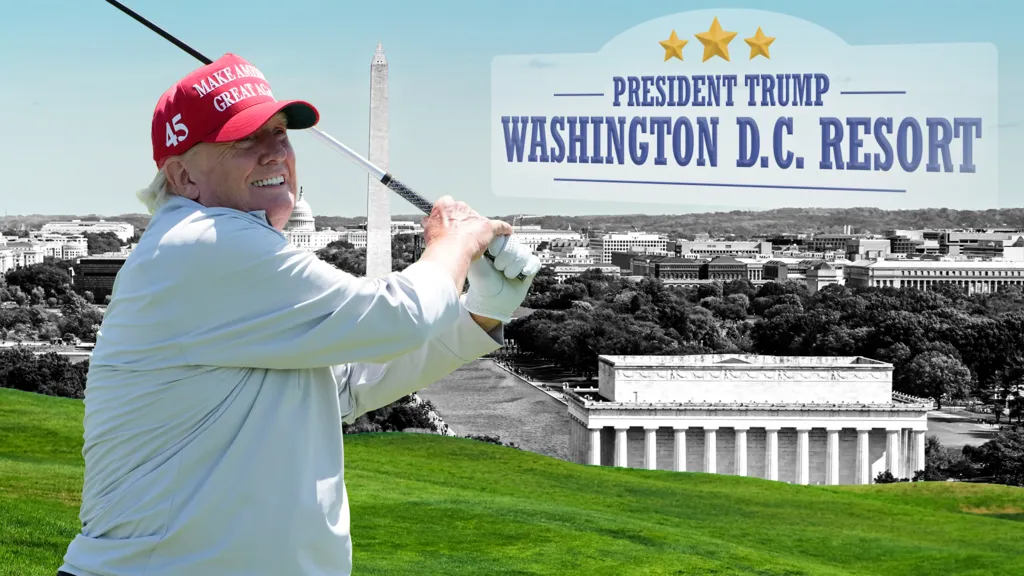
Trump drives White House expansions, a golf-course rebuild, and a triumphal-arch dream
France 24 breaks down what architectural ambition in Washington signals about a cult of personality, and why it matters.
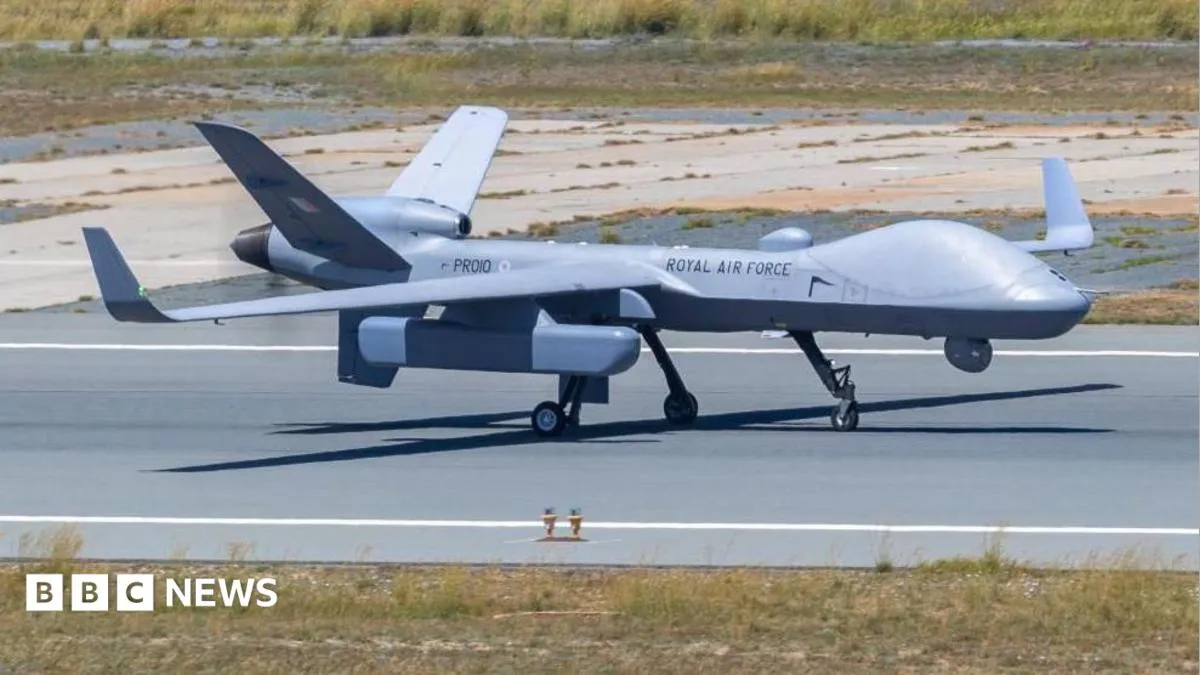
UK defence spending plan spells out priorities, reshaping what the armed forces can do
Frank Gardner breaks down the government plan and translates it into real capability trade-offs for the UK’s forces.