
Trump drives White House expansions, a golf-course rebuild, and a triumphal-arch dream
France 24 breaks down what architectural ambition in Washington signals about a cult of personality, and why it matters.
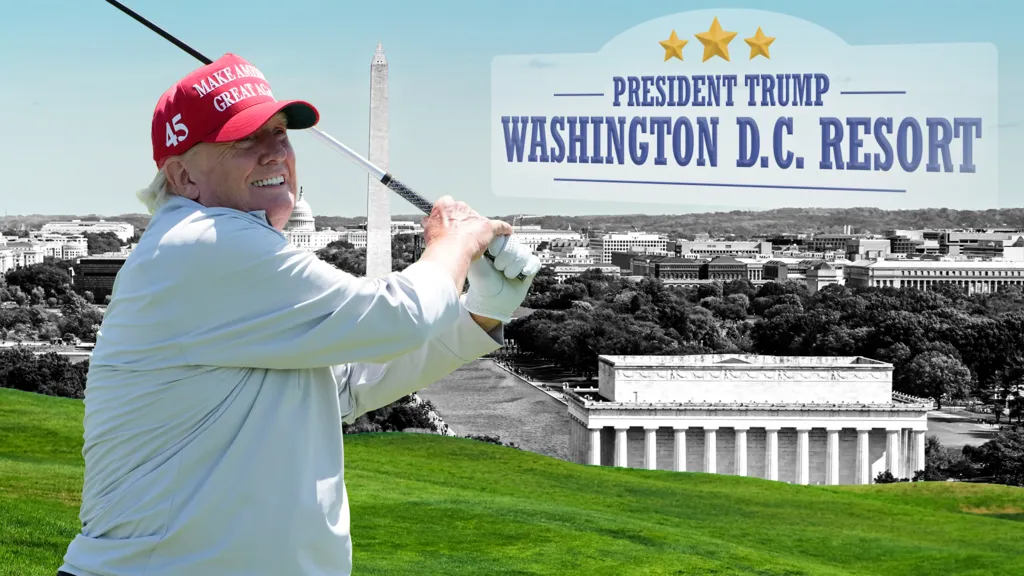
Donald Trump, as president, is tied to a growing list of Washington building projects, including redevelopment of a public golf course, extensions to the White House, and dreams of a triumphal arch. For decision-makers, the bigger issue is how public-facing space gets turned into political branding, with knock-on effects for budgets, approvals, and institutional trust.
Donald Trump seems to be accumulating a growing spate of building projects in Washington. The France 24 piece points to three headline examples: the redevelopment of a public golf course, extensions to the White House, and a dream of a triumphal arch. Taken together, it argues these are not just construction items. They are architectural choices that remake the US capital in Trump’s image.
That matters because the built environment in Washington is not neutral. Public spaces, federal grounds, and presidential sites operate under a web of political, legal, and symbolic rules. When a president pushes new physical plans, the story is never only about concrete and steel. It is about messaging at full scale, with architecture functioning like a permanent campaign poster.
So what is driving this? France 24 frames it as the expression of a cult of personality. In plain English, that means the leader becomes the center of gravity, and the state becomes the amplifier. A redevelopment of a public golf course is an instructive starting point. Public-facing amenities usually sit in the background of governance, used by ordinary people. When even those get redesigned, the implication is that the president wants his footprint to be visible in everyday life, not just in formal ceremonial spaces.
Now look at the extensions to the White House. Adding physical capacity or changing the footprint of the presidential residence is inherently high-stakes because it touches the most symbolic address in American politics. It also tends to pull in more stakeholders and more layers of oversight than ordinary infrastructure. That does not necessarily block progress, but it does ensure that every new phase becomes part of a larger struggle about who gets to steer the federal agenda, and on what terms.
The triumphal arch dream is where the symbolism becomes the clearest. A triumphal arch is not a functional necessity in the way a road, a bridge, or a water system is. It is an image of victory made durable. France 24 uses that to underscore the article’s core claim: the president’s building projects are not only about improving facilities, they are also about creating a visual narrative that outlasts speeches.
To understand why executives and boards should pay attention, zoom out to how large projects get authorized and governed in Washington. Major federal construction and site changes typically require coordination across agencies, and they run into public scrutiny, budgeting constraints, and legal processes designed to keep projects aligned with public interest and statutory rules. When political branding enters the design intent, governance can become messier. Not because procedure disappears, but because the “why” behind a project shifts. Instead of optimizing for service delivery, leaders can optimize for visibility.
There is also a second-order effect: architecture changes behavior. Buildings and layouts influence how people move, gather, and interpret power. A White House extension changes the working environment and the choreography of state activity. A redesigned public facility changes who feels welcome and how. A monument-like structure, even if only dreamed rather than completed, can shape expectations early, pulling attention, media focus, and political capital into the orbit of the leader’s vision.
For decision-makers watching from the sidelines, the lesson is not that every construction plan is a personality play. It is that high-profile leaders can turn public space into a strategic asset. Once that happens, the project is no longer just a procurement exercise. It becomes a governance test, a reputational risk, and a resource allocation decision, all at the same time.
France 24’s point is ultimately about incentives. When the center of authority builds, institutions respond. Allies may treat ambitious designs as evidence of momentum. Opponents may interpret the same designs as overreach. Agencies and contractors are left to translate political intent into plans that must survive oversight and scrutiny. That is the real stakes: the architecture may look like politics at the surface, but the operational consequences ripple through approvals, budgets, and trust in public institutions.
This story's Key Insights and Take-aways are locked.
Create a free account to unlock Executive Actions for one credit.
Register to UnlockAlways free for Executives Club members. Join the Club
More in Politics
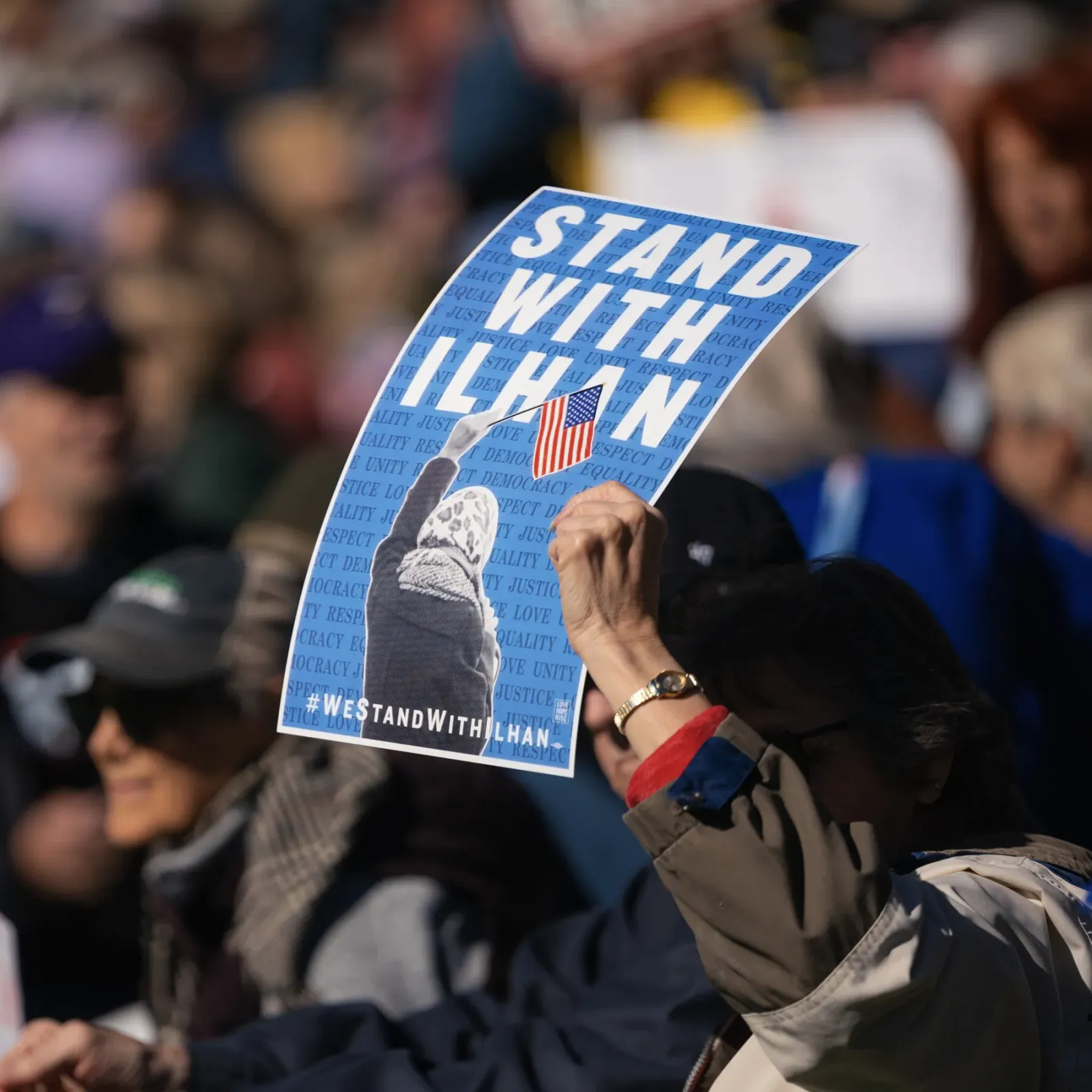
Obama Defends Ilhan Omar After Agents Search Her Home in Trump Inquiry
The former president's intervention raises the stakes in a federal probe into immigration paperwork that has put a prominent progressive lawmaker in the crosshairs.
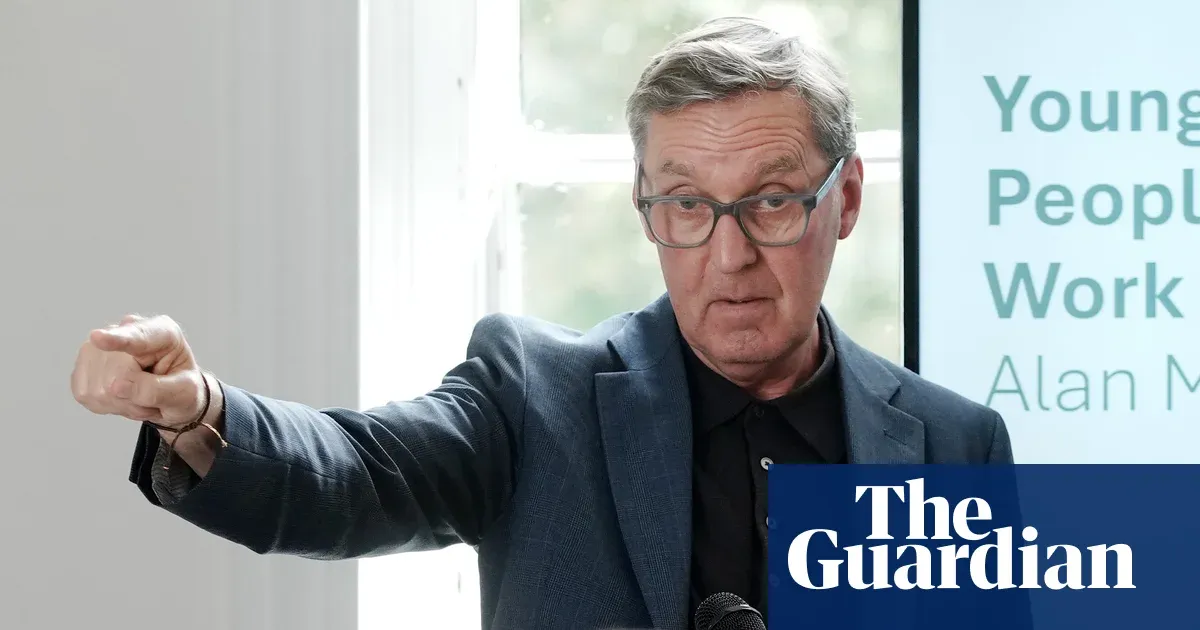
Blair-era minister: cut welfare to fund youth job support
Alan Milburn's call for welfare cuts to fund employment support opens a Labour fight over benefits and the Neet crisis.
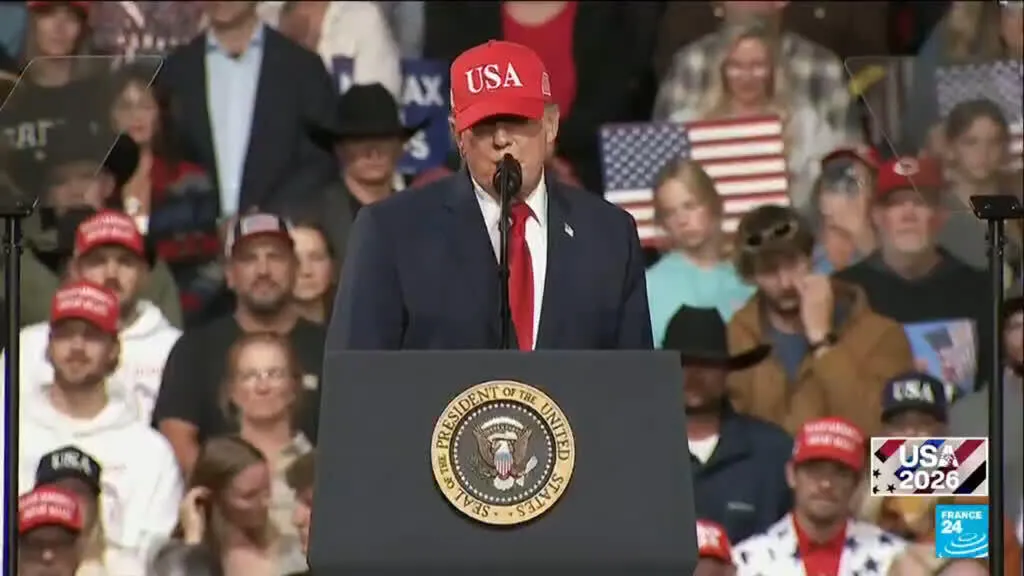
Hot September CPI: energy costs surge, voters feel the squeeze before midterms
The latest inflation print lands as Trump campaigns for GOP control of Congress, putting cost-of-living worries at the center of the midterm fight.