

Tamra Davis buried Summersault footage for 30 years, then rebuilt Australia’s ’95 music reckoning
Her camcorder time capsule becomes The Best Summer, preserving the one-off tour that gathered Beastie Boys, Sonic Youth, and more.
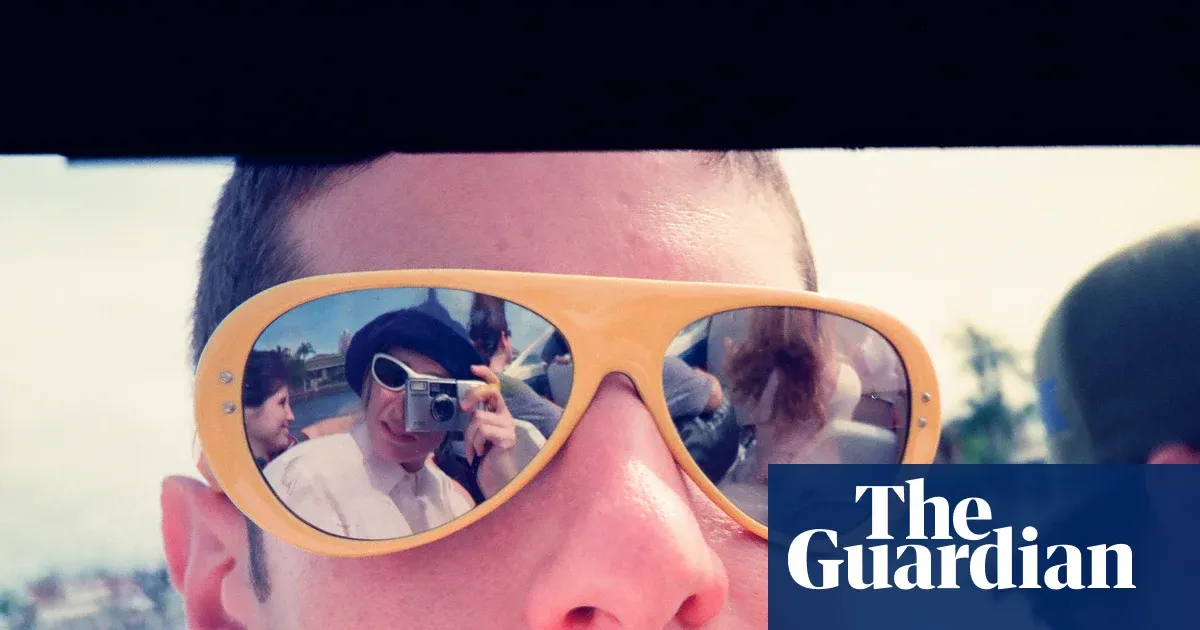
Tamra Davis, a US film-maker, traveled to Australia in 1995 to capture the one-off Summersault tour on her camcorder and later released The Best Summer using footage she had kept for nearly three decades. For decision-makers, the film is a case study in how rare capture, messy logistics, and long memory can change how entire music eras are understood.
In 1995, US film-maker Tamra Davis went to Australia with a camcorder to capture the one-off Summersault tour. Thirty years later, she released The Best Summer, and the most important thing about it is also the most literal: Davis had to dig up an era that, for almost three decades, was basically locked away in a box.
The documentary’s first shots, filmed this century, are shaky footage of videotapes being loaded into a car boot. Davis was evacuating her home in Malibu during the Palisades fires last year, and that scramble turns the film into something more urgent than nostalgia. Almost everything else shown in The Best Summer was in that box. It was a time capsule from a single Summersault run that can never be repeated in the exact same way, because the combination of artists, timing, and touring conditions is always contingent.
That contingency matters because Summersault was not a generic music festival circuit stop. It was pulled together by twentysomething promoter and future Modular Records founder Steve “Pav” Pavlovic, and the event’s core story is how one booking snowballed into an ecosystem. The tour started when Pav booked a Beastie Boys tour. From there, it snowballed as bands, many of them close friends, liked the sound of a break down under, and the lineup kept expanding.
The lineup is the kind that makes music historians blink. Summersault brought Sonic Youth, Pavement, the Beastie Boys, Bikini Kill, Beck, and more to five Australian cities over new year’s 1995/96. It was a cross-section of influential musicians of the 80s and 90s, but the film’s value is that you get the messy human texture around that influence: the reality of coordination, travel, and scenes captured on consumer gear in a pre-digital era.
If you run a label, manage artists, fund creative projects, or advise boards, there is a business story hiding inside the footage. In the mid-90s, tours were built on relationships and reputation, and Summersault shows how fast networks can compound when the first domino falls. Pav’s initial decision to book the Beasties created a platform others wanted to be part of, particularly because many of the bands were close friends. That is not just a music trivia fact. It is the same incentive engine that drives deals across industries: credibility attracts collaborators, and collaborators create momentum.
The Best Summer also lands differently because the film is shaped by what was available, what was forgotten, and what survived. Davis’ work reminds viewers that cultural memory is not automatically preserved. Analog materials degrade, get misplaced, or simply sit. In this case, the surviving box held an intimate snapshot of an era that can never be repeated, and the documentary becomes an editorial act as much as an archival one.
There is also a second-order implication in the fact pattern around the Palisades fires evacuation. The film’s earliest “this century” shots are not the planned opening you might expect from a polished concert documentary. They are a reminder that disasters scramble priorities, and media assets can become literal luggage. For executives, that is a stress test in disguise: what happens to your organization’s stored value when the environment turns chaotic? Even without drifting into speculative recommendations, the source makes the point unmistakably. Davis ends up using a personal time capsule because she physically saved the box during an emergency.
The strategic stakes for peers who bankroll culture or document it are clear. Summersault was a one-off tour, The Best Summer makes that one-off legible decades later, and the mechanism is both simple and fragile. You capture it, you keep it, you hope it survives, and then someone later can reconstruct not just performances but context. The result is a clearer understanding of how influential music scenes gelled in 1995/96 and how the relationships between artists, promoters, and fans built a moment that cannot be replayed. Davis’ documentary does not just preserve concerts. It preserves the chain reaction that made them possible.
This story's Key Insights and Take-aways are locked.
Create a free account to unlock Executive Actions for one credit.
Register to UnlockAlways free for Executives Club members. Join the Club
More in Entertainment
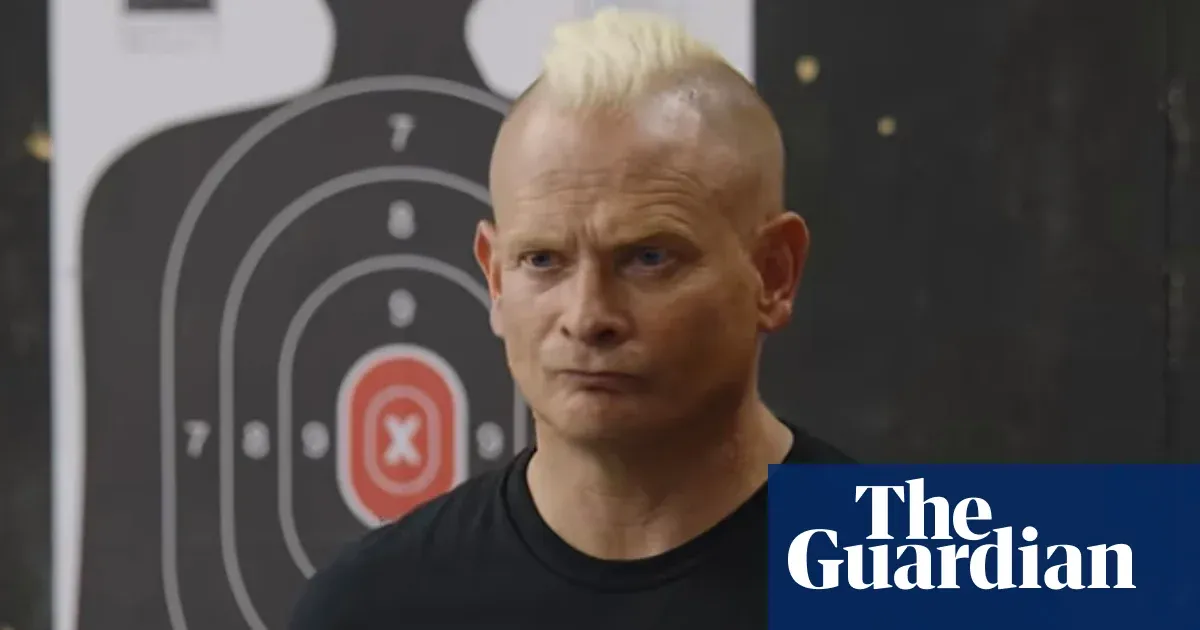
Ali G's 'stooge' says he was in on joke, outplayed Sacha Baron Cohen
A 54-year-old aspiring actor says he recognized Sacha Baron Cohen mid-shoot, kept his MAGA act up, and let the film-makers think they had fooled him.

Entertainer Russell Brand denies 7 sex charges amid accuser's 'couldn't breathe' claim
The alleged victim's account sharpens the reputational and legal stakes for Brand, his platforms, and any business tied to a public figure under criminal scrutiny.

Russell Brand's accuser 'bewildered and confused' as he denies 7 sex charges
The criminal case against the comedian is a live test of how media companies manage talent risk when serious allegations go public.