
Target investors turn against Brian Cornell as support hits lowest level ever
Cornell has delivered a $100 billion-plus Target, but investor frustration over performance is now peaking.
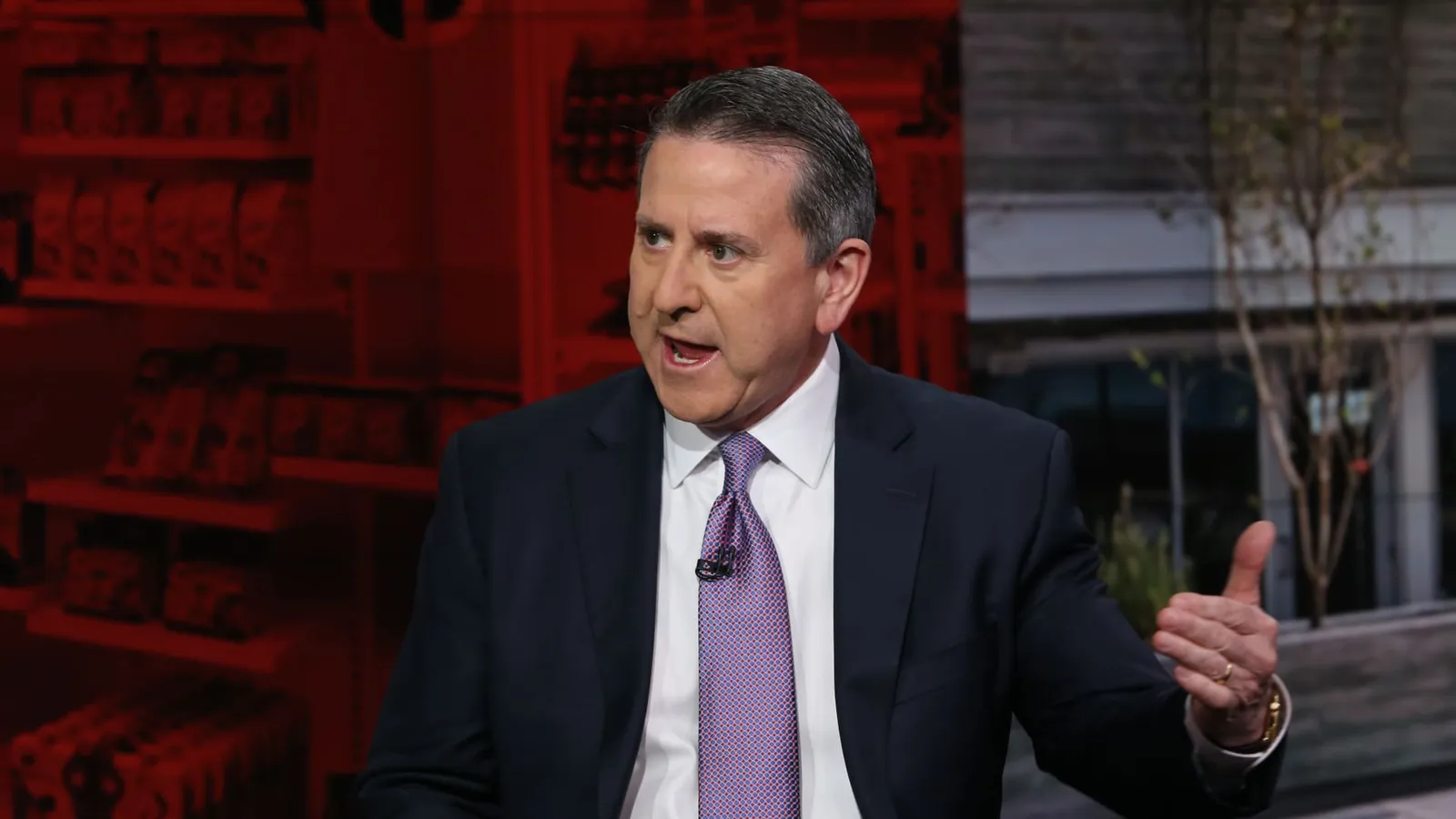
Target Chair Brian Cornell is facing investor support sliding to its lowest level ever amid recent struggles and underperformance. For board members and executives, this is a live case study in how quickly capital markets can withdraw confidence when results miss.
Target Chair Brian Cornell built the retailer into a $100 billion-plus giant. But recent struggles and underperformance have pushed investor support for Cornell down to its lowest level ever, fueling calls for change.
That headline is the real story. Cornell is not a newcomer trying to prove themselves from scratch. This is a long-running executive leader at a scaled consumer brand, and yet investor sentiment is deteriorating enough to hit a record low level of support. In plain English: the market is signaling that past execution is no longer enough to outweigh current results.
To understand why this kind of “support for change” matters, you have to zoom out to how boards get pressured in public markets. Retail is a brutally sensitive sector. Demand shifts, cost pressures, inventory management mistakes, and margin swings can show up quickly in earnings. When those misses persist, investors do not just complain. They re-rate the company. That can translate into lower valuation, higher cost of capital, and a harder negotiation environment for future strategy. And when the valuation and fundamentals slip, boards often find they have less runway to wait for a recovery.
Target’s story is also a reminder that “built a giant” and “still deserve the job” are two separate questions. A $100 billion-plus business is an accomplishment, but the role of a chair includes oversight of strategy and governance. Investors who are pushing for change are effectively arguing that oversight has not produced the outcomes they expected, given the company’s size and resources. When support drops to the lowest level ever, that is not a minor dip. It is the kind of signal that encourages more active board engagement and, in some cases, shifts in how investors vote or express preferences.
There is another layer executives sometimes miss: investor calls for change rarely remain purely verbal. They can influence everything from committee composition to succession planning. Even without any formal removal, a chair who is losing support can face growing pressure around leadership decisions, capital allocation, and the pace of operational fixes. In other words, the market can make it harder for management to execute because confidence becomes part of the operating environment.
And retail underperformance tends to create second-order effects that reach beyond the immediate quarter. Suppliers and partners pay attention to stability signals. Talent markets start to price perceived risk differently, especially for executives and senior managers tasked with turning around operations. Customers may not read investor sentiment, but they do feel the consequences in store experience, pricing consistency, and product availability. If investors believe the company is not adapting fast enough, they often press for governance changes that they think will accelerate decisions.
For a chair like Cornell, the governance challenge becomes not just “what went wrong,” but “how quickly can the board change the system that produced the misses.” That includes evaluating whether the strategy has become stale, whether execution is disciplined enough under current market conditions, and whether oversight structures are aligned with the operating reality of the business. When investors say the support level is at an all-time low, they are essentially telling everyone watching that the board cannot rely on inertia.
CNBC’s reporting frames this as a direct consequence of Target’s recent struggles and underperformance. The specifics matter because the story is not about a one-off disappointment. It is about sustained results pressure, enough to turn investor backing into a recurring theme rather than a temporary reaction. That is the moment when leadership becomes a governance issue, not just a performance issue.
The strategic stakes extend to peers. Any executive sitting in a board chair seat at a large retailer, consumer brand, or other mature public company should take note: capital markets can forgive many things, but they struggle to reward long-term credibility when current performance does not match the scale of the company. “$100 billion-plus” is a milestone, not a shield. When investor support drops to the lowest level ever, it signals that the tolerance threshold is shrinking, and the next outcomes will be judged more harshly than the last ones.
This story's Key Insights and Take-aways are locked.
Create a free account to unlock Executive Actions for one credit.
Register to UnlockAlways free for Executives Club members. Join the Club
More in Business

Accenture’s $4.18bn play fails as AI fears spark a 20% worst-ever stock plunge
On Thursday, Accenture hit its biggest one-day drop on record after forecasting worries that AI could hollow out consulting.

SpaceX stock jumps 3% after it overtakes Amazon’s market cap
CNBC says SpaceX’s shares surge following its IPO Friday, forcing investors to reprice what “space” and “AI” are worth.

SpaceX’s first options day breaks U.S. records after a $85B IPO win
Big IPO, bigger options debut: what it means for investors, risk teams, and anyone benchmarking market appetite.