

Taylor Farms pulls central Mexico iceberg lettuce after FDA-linked cyclosporiasis signal
The producer says it will remove specific iceberg lettuce linked to the outbreak, raising questions about supply-chain traceability and costs.
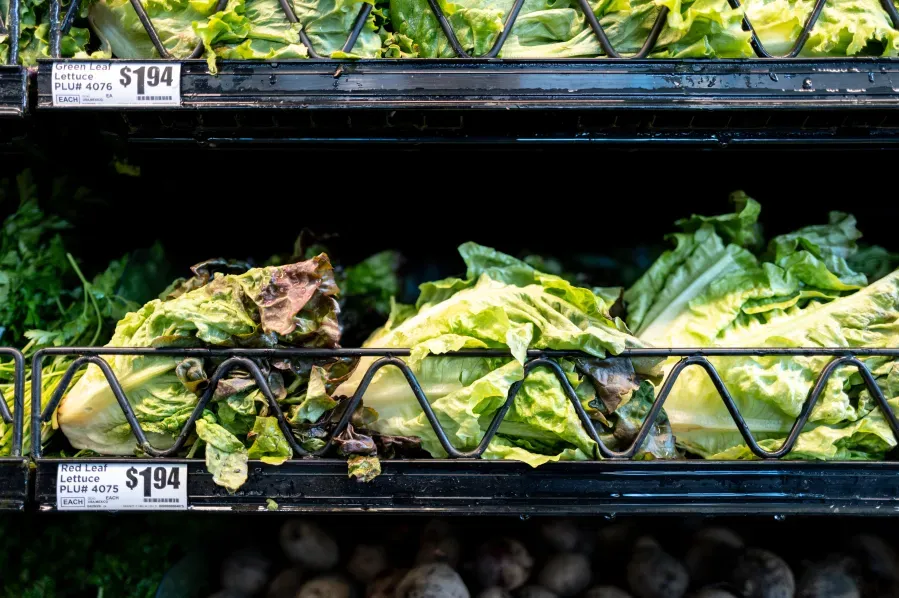
Taylor Farms, the California-based vegetable producer, said it is voluntarily removing iceberg lettuce sourced from central Mexico after information provided by the FDA. For decision-makers, the move shows how quickly regulators can trigger product withdrawals and how supply-chain complexity turns into real operating risk.
Taylor Farms is pulling a specific product line: it said it will voluntarily remove all iceberg lettuce sourced from central Mexico after information provided by the FDA linked the product supply to a growing cyclosporiasis outbreak across the country.
In a statement issued on Friday, the company said: "Based on information provided yesterday by the FDA, Taylor Farms de Mexico is voluntarily removing all iceberg lettuce sourced from central Mexico." The company also noted that the FDA traceback process was part of the chain that led to the decision, underscoring a basic reality of modern food systems: when regulators see a pattern, companies can go from routine operations to a targeted recall posture fast.
Cyclosporiasis is caused by a microscopic parasite, and outbreaks tend to spread through contaminated food. The important business takeaway is not the biology lesson, it's the operational one. Taylor Farms is not claiming its entire portfolio is unsafe. It is narrowing the action to iceberg lettuce sourced from central Mexico, and that specificity matters because it shapes both logistics and liability exposure. Narrow withdrawals are typically easier to manage in stores, warehouses, and distribution centers, and they can be framed as responsive action tied to an identified source area rather than a broad loss of consumer trust.
Still, even a targeted removal can have major second-order effects. First, it disrupts the flow of product through grocery supply chains and distribution contracts. Iceberg lettuce is a staple item, and demand is continuous. When a supplier removes a slice of supply, other producers may be asked to cover volume on short notice. That creates ripple pressure across pricing, availability, and promotions. It also changes inventory planning for retailers who may have to decide whether to wait on replacement shipments or pull items proactively.
Second, regulatory timelines compress quickly. The company said the decision was based on information provided by the FDA “yesterday,” which gives a window into the way agencies operate during outbreak investigations. FDA traceback, which the company referenced, is essentially a reverse logistics exercise: identify where the suspect ingredient came from, where it went, and which batches line up with the investigation. For producers, traceback is often a behind-the-scenes capability, built through labels, sourcing records, lot tracking, and documentation discipline. In a crisis, those systems are suddenly visible to everyone, from regulators to boards to customers.
Third, the corporate structure adds complexity. Taylor Farms operates through Taylor Farms de Mexico for the central Mexico sourcing, which means executives are managing decisions across borders, vendors, and local agricultural operations. When the FDA traceback points to a geographic origin, the operational question becomes: can you isolate the impacted supply quickly enough to limit withdrawals? The statement implies yes, at least to the extent of the company’s ability to identify “all iceberg lettuce sourced from central Mexico.” That is a practical win, but it also highlights how traceability systems can make or break an outbreak response.
Why this matters now for executives and boards is that withdrawals and recalls are not just reputational events. They are cost events. Even without the specific financial figures in this source, a product removal generally carries expenses: disposal or rerouting of inventory, labor and logistics to execute the action, customer support, and potential contract disputes over responsibility. There may also be upstream impacts on growers or packaging partners who were integrated into the impacted sourcing. When an outbreak grows nationally, the political pressure rises as well, and regulators tend to push for more rapid, transparent actions.
For peers in the fresh produce sector, the Taylor Farms move is a reminder that “event risk” can materialize overnight. It also raises governance questions: does the board receive regular reporting on outbreak readiness? Are recall and withdrawal procedures tested? Are suppliers audited for traceability, not just quality? In food supply chains, the difference between “we responded” and “we contained the damage” often comes down to whether the company can identify the relevant product quickly and execute consistently.
Taylor Farms' statement is essentially a compliance signal: it is voluntarily removing the implicated item while investigators connect the dots. If you are a leader at a producer, retailer, or logistics provider, the headline lesson is simple. The FDA can drive targeted actions rapidly, and the market will react immediately, even if the scope is limited to one product and one sourcing region.
This story's Key Insights and Take-aways are locked.
Create a free account to unlock Executive Actions for one credit.
Register to UnlockAlways free for Executives Club members. Join the Club
More in Politics
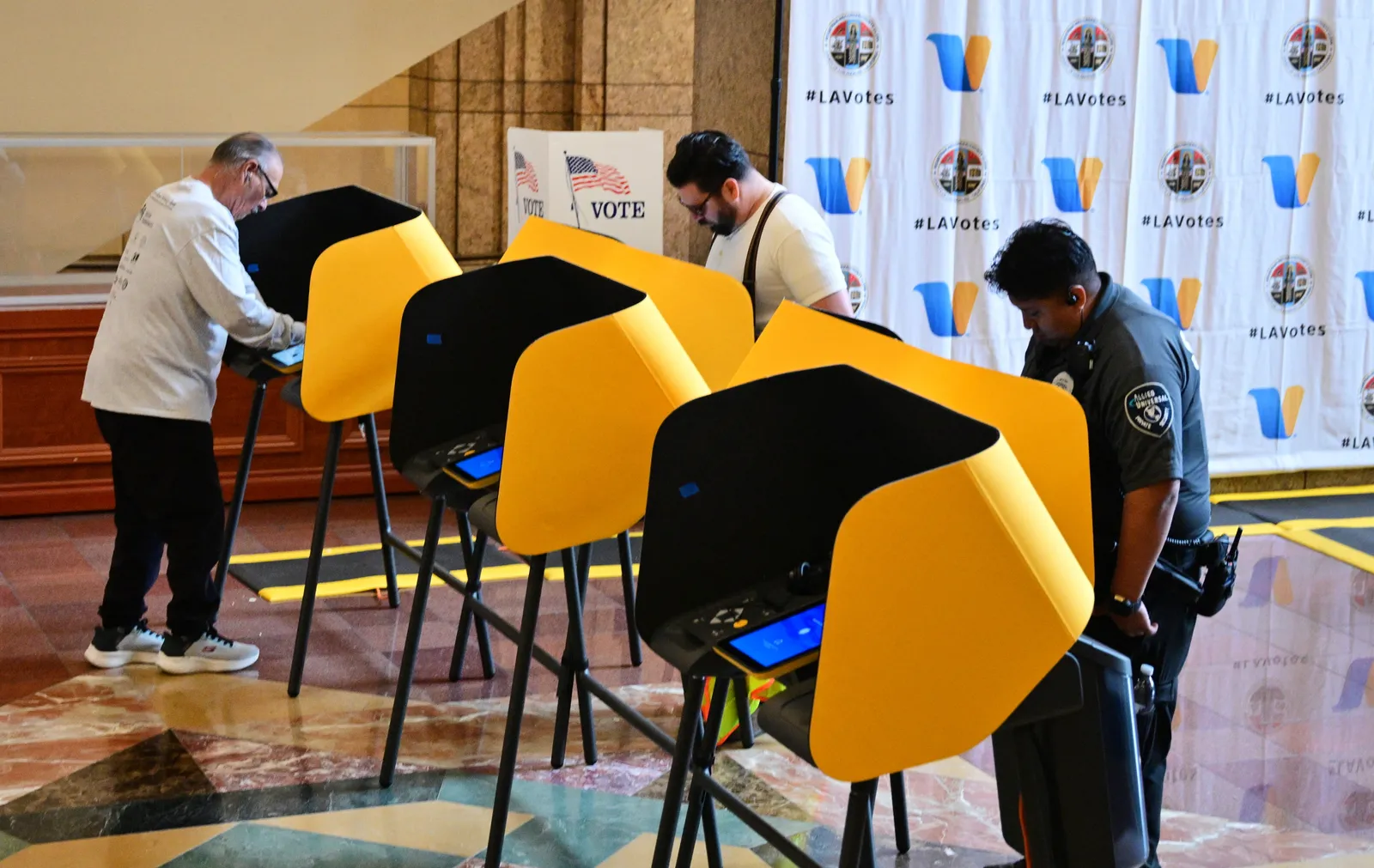
LA County: DOJ's 20,000 'noncitizen' voter list is 'unreliable,' includes U.S.-born
Preliminary review by Los Angeles County election officials finds errors in the federal list, raising the stakes for voter roll integrity ahead of November.

Trump's $1.5B Pentagon chip investment lands in North Carolina
A $1.5 billion defense infusion for North Carolina chipmaking signals a new era of Pentagon-backed reshoring - here's what it means for the industry.
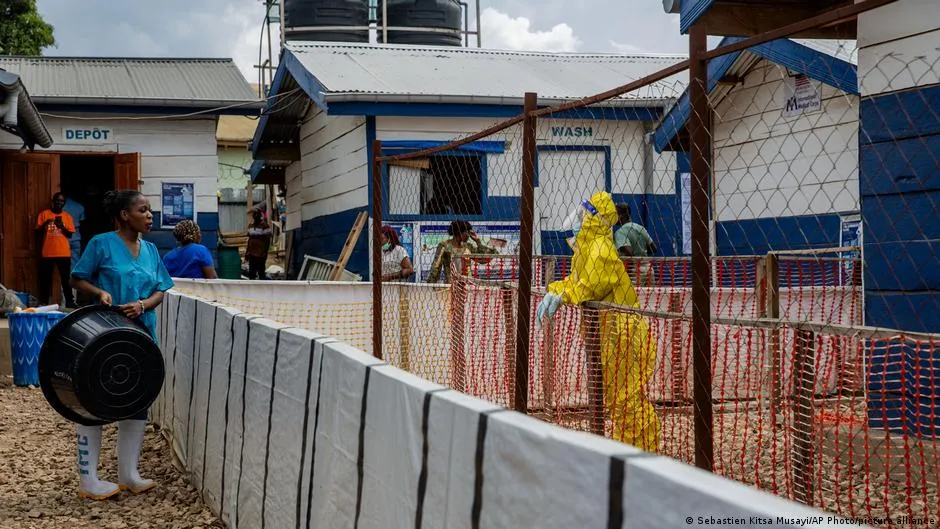
Nigeria confirms first Ebola case in Abuja, a woman just off a Uganda flight
Health Minister Muhammad Ali Pate says the patient flew in from Uganda, putting Africa's latest outbreak on Nigeria's doorstep.