

Taylor Farms put FDA’s “false positive” apology first, crisis comms veterans say it backfired
The FDA retracted a positive cyclospora test, but experts warn the message muddied consumer safety and regulator trust.
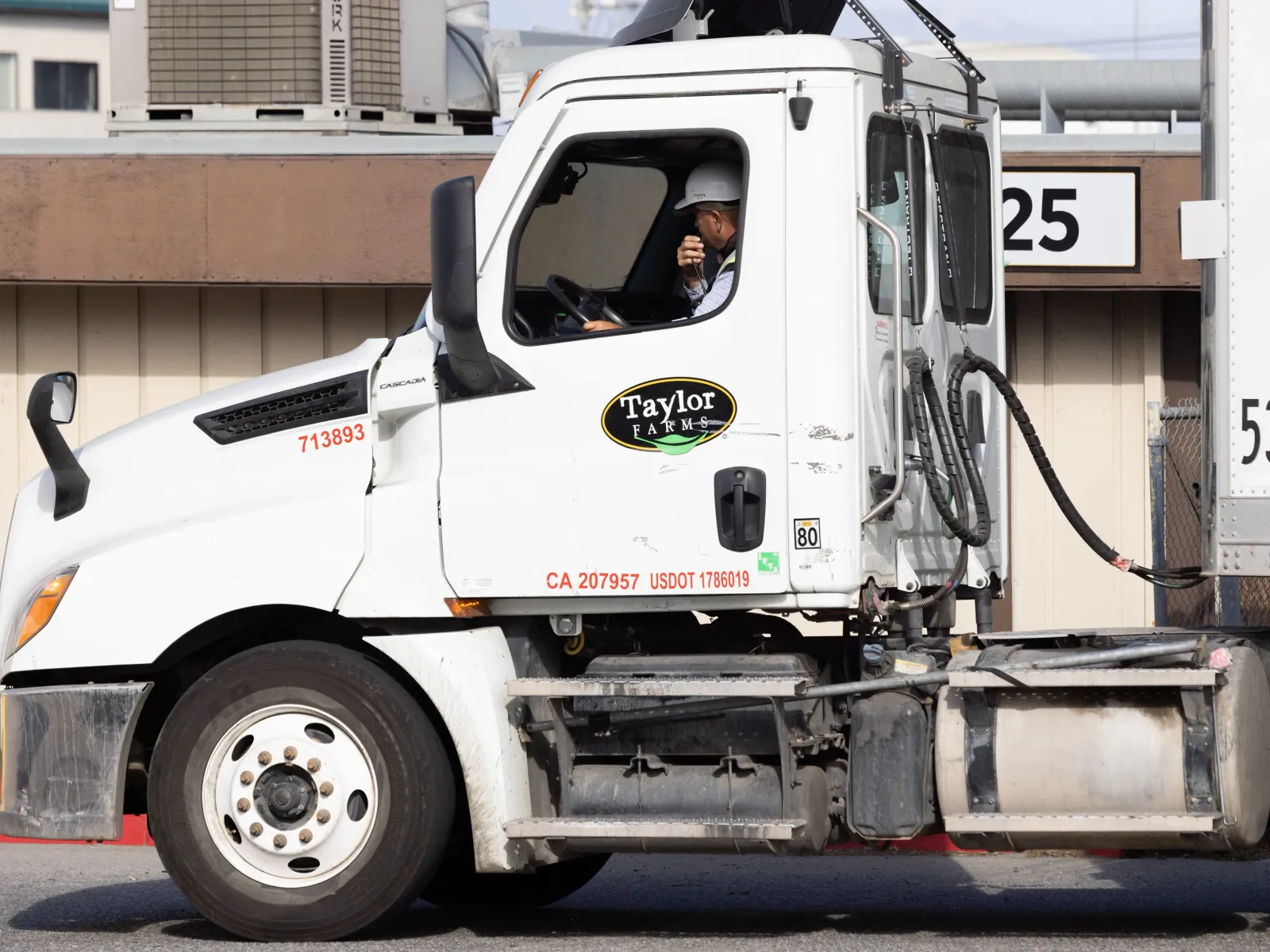
Taylor Farms said the FDA apologized after it retracted a positive cyclospora test linking the company’s lettuce to an outbreak. Crisis communications veterans say leading with that alleged apology may have shifted attention away from consumer safety and left the company exposed to new scrutiny.
Taylor Farms faced a fast-moving public health crisis, and the company’s next move may have created the wrong first impression. Sunday, Taylor Farms said on its website that the FDA had retracted a positive cyclospora test involving its lettuce, calling it a false positive. In that statement, Taylor Farms also said, “Today, FDA apologized to us.” Crisis communications veterans interviewed by Business Insider say starting with that alleged apology instead of consumer safety likely muddied an already confusing situation.
Why that timing matters: the FDA clarified Monday that outbreak and tracing data still pointed to Taylor Farms’ lettuce and urged consumers to continue avoiding the recalled products. In other words, a “false positive” lab result may be scientifically important, but it does not automatically close the case. The FDA said in a statement posted on X: “To clarify, this false-positive lab sample DOES NOT change the basis for FDA's ongoing outbreak investigation or the overwhelming epidemiological data supporting the current voluntary recall by Taylor Farms.” The gap between “lab says false positive” and “epidemiology still points to you” is exactly where messages can fall apart.
Here is the public-health context the messaging had to survive. Business Insider reports that the cyclospora parasite has sickened thousands of people across the country in recent weeks. That means consumers were already on high alert, and many would be trying to do the math in real time: if one test was wrong, was the outbreak story wrong too? Taylor Farms tried to address the correction directly by acknowledging the FDA’s retraction and describing it as a false positive. But multiple crisis communications pros said the company’s emphasis may have suggested vindication before the investigation finished.
Bradley Akubuiro, a crisis communications veteran who served as chief spokesperson for Boeing during the 737 Max crisis and is now a partner at Bully Pulpit International, warned that perception can outrun process. He said, “Anything that is perceived as celebrating vindication will actually be perceived as premature.” His point was blunt: Taylor Farms “has not actually been absolved yet.” That matters because regulators and consumers do not treat a retraction like a final verdict. Even after the FDA retracts a test result, it can still keep asking who was exposed, where the contamination came from, and whether other evidence supports a recall.
Taylor Farms also said it completed a voluntary recall of certain iceberg lettuce products out of “an abundance of caution” and in response to initial information from health officials. The company was also quoted as saying it expressed “sympathy” for those who fell ill, voluntarily pulled potentially tainted lettuce from the market, and said it was committed to working with public health authorities, according to Rod Hughes, a crisis-communications expert with Kimball Hughes Public Relations. Hughes said “They led with empathy, as you kind of have to in these situations,” because “People were harmed, and you've got to acknowledge that upfront.”
But Hughes’ biggest concern was corrective action. He asked: “What corrective action are they taking?” and said he “doesn’t see that.” That is a second-order risk executives often underestimate during food safety crises. Even if empathy and a recall announcement are necessary, stakeholders also want evidence of prevention. In other words, regulators can update their stance, but the public also looks for whether the company learned anything, changed anything, and put guardrails in place.
There is another layer: regulators do not like being shoved into the spotlight. Hughes cautioned companies generally to avoid antagonizing regulators “regardless of which political party controls the government,” since these agencies regulate them. He summarized it with a practical warning: “I wouldn't recommend poking the FDA, the IRS, or any of those entities in the eye,” adding that it can “come back to haunt you later when you need some grace from them.” In this case, the issue is not whether Taylor Farms acknowledged a retraction. It is how prominently the company elevated an alleged “apology” as an opening message when the FDA’s own framing still supported continuing avoidance.
That leads to the tricky communications dilemma that Evan Nierman, founder of crisis public relations firm Red Banyan, said Taylor Farms may now be trapped in. He noted that since the FDA hasn’t confirmed Taylor Farms’ claim that it apologized for the false positive, the company is in a “precarious position.” By making the alleged apology central, Taylor Farms effectively invited scrutiny over “whose version of events was accurate.” Nierman said this can create “a whole new raft of coverage assessing who's right and who's accurate,” and warned, “You never want to crawl out on a limb you can't come back from.” For boards and senior leaders, this is a reminder that crisis messaging is not only about controlling the narrative. It is also about choosing which details are safe to lead with when evidence can evolve quickly.
Strategically, this episode is a case study in the limits of “good news” in a public health emergency. A false positive correction can be a meaningful clarification, but it does not automatically neutralize the need for consumer action if epidemiological data and tracing still point to risk. For other food suppliers, PR teams, and executives on crisis duty, the lesson is not to ignore reversals. It is to place them inside a message hierarchy that keeps consumer safety, regulator guidance, and what the company will do next front and center, until the investigation is truly complete.
This story's Key Insights and Take-aways are locked.
Create a free account to unlock Executive Actions for one credit.
Register to UnlockAlways free for Executives Club members. Join the Club
More in Business

Uber buys Delivery Hero for nearly $15B, vaulting to top food delivery outside China
The deal doubles Uber's dual-services footprint and pushes a ride-and-eats bundling play into 50 more markets.

Epic and Google drop settlement bid, forcing rival Android app stores by July 22
Google told the court it is ready to carry third-party app stores starting Wednesday, July 22.
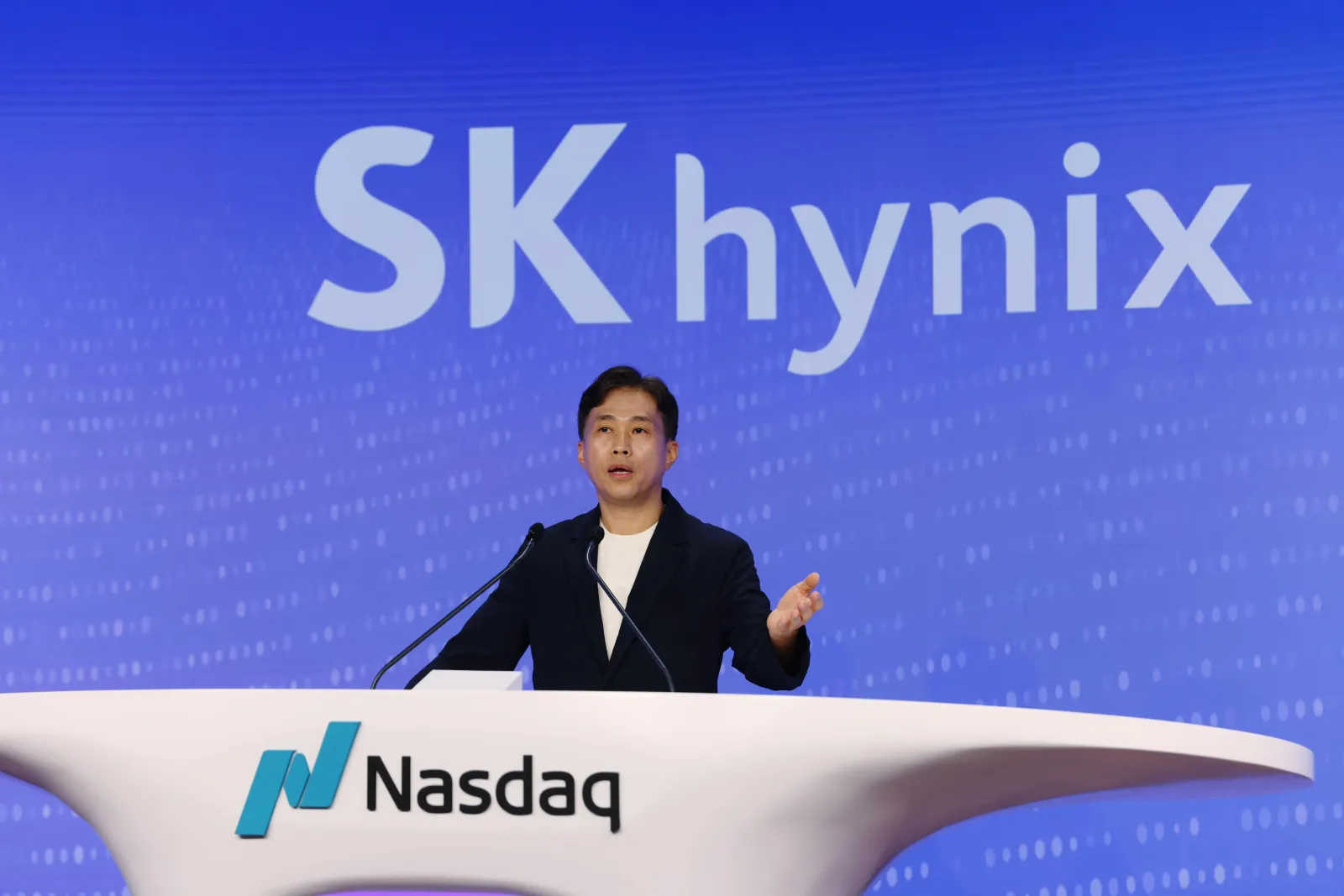
SK Hynix opens at $170, raises $26.5B, and tops foreign IPO records
In Friday's Wall Street debut, SK Hynix turns AI RAM demand into a $26.5B fundraising moment that rewrites comps.