

Taylor Sheridan admits he is rage-baiting critics and not trying to win Emmys
In a wide-ranging Bill Simmons interview, the Yellowstone creator slams studios and critics and spells out his goals, or lack of them.
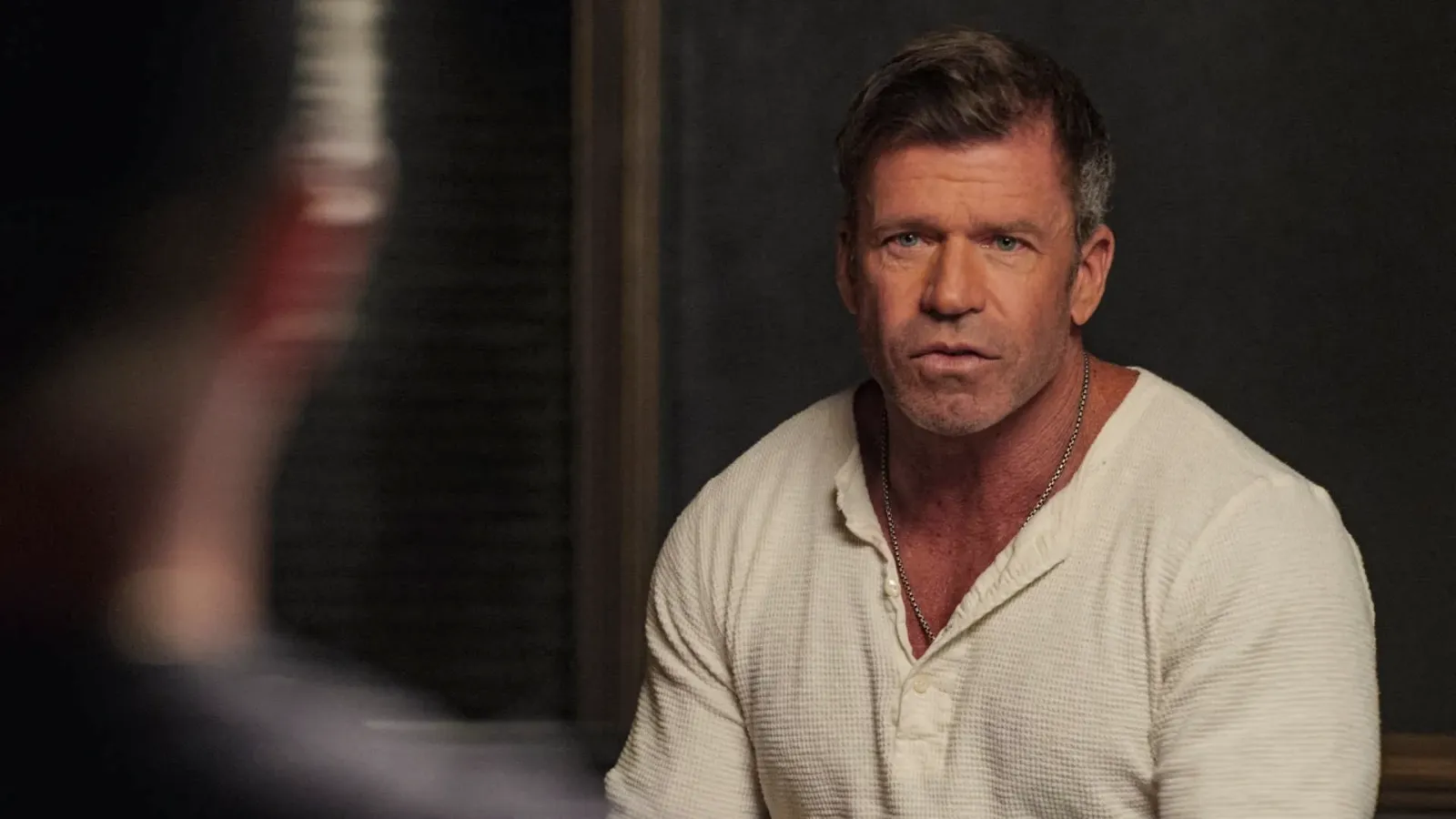
Taylor Sheridan, creator of Yellowstone and Landman, used an interview on The Bill Simmons podcast to slam studio executives, critics, and the city of Los Angeles. He also admitted he is not trying to win Emmys, while framing his approach as intentionally provocative.
Taylor Sheridan says he is “rage-baiting” critics, and he is also blunt about what he is not chasing: Emmys. In a wide-ranging interview that Deadline summarized from his appearance on The Bill Simmons podcast, the writer and creator behind Yellowstone and Landman lifted the lid on his motivations, then turned around and aimed both barrels at studio executives, critics, and even Los Angeles.
That combination matters because it lands on the fault line between how premium TV gets made and how it gets judged. Sheridan is effectively telling the industry he is operating on a different scoreboard than the one most studio systems optimize for. If you are a studio exec, agent, or investor, that is not a quirky creative confession. It is a read on incentive alignment. When the showrunner says he is not trying to win Emmys, the question becomes: what is he trying to win, and how does that affect risk, spend, and the kinds of feedback loops that typically steer projects toward awards-season outcomes?
To understand why this is such a real business signal, zoom out to how Hollywood decisions usually work. Executives are paid to manage uncertainty. Ratings and renewals are the obvious levers, but awards are another major lever, especially for prestige content where budgets can be high and the audience can be broad but not guaranteed. Emmys and other industry markers often help products travel across platforms, justify marketing spend, and extend the life of a brand. If a top creative voice publicly shrugs at that objective, it changes how everyone else calibrates pressure. Studios can no longer assume that “the creative will naturally chase the awards map,” because the creator is saying the map is not the point.
Sheridan’s comments also widen the lens on the relationship between critics and creators. Deadline’s summary notes that the interview included a slam of critics, and Sheridan admitted he is “rage-baiting” them. That is a loaded phrase because it implies an intentional strategy, not just emotional frustration. Rage-baiting is not primarily about craft. It is about reaction. In a modern media environment, reaction can be distribution. Even when backlash is negative, it can still drive attention. For decision-makers, the second-order effect is straightforward: projects may be shaped less by consensus approvals and more by the size and intensity of the audience reaction, including the people who hate-watch, quote-tweet, and write think pieces.
Then there is the studio angle. Deadline’s summary says he slammed studio executives in the same interview. That matters because studio executives are gatekeepers for greenlights, budgets, and the contractual structure that determines how creative teams can change course. When a high-profile creator calls out studio leadership, it can signal a deeper tension about creative control. The industry has spent years building process around notes, revisions, and brand safety concerns. If a creator frames his process as baiting critics and not pursuing awards, studios have to ask whether they are funding friction or reducing it.
Sheridan also took aim at the city of Los Angeles. That may sound like pure celebrity commentary, but it is still strategically relevant because Los Angeles represents the ecosystem where entertainment capital, labor, and reputational risk concentrate. When creators attack the home base of the business, it can rattle the people who rely on that base for access, talent pipelines, and cultural legitimacy. Even if the business is global now, the industry still leans heavily on LA as a symbol of legitimacy. Complaining about LA is also a way to complain about the system.
For boards and capital allocators, this is the uncomfortable part: creative incentives shape financial outcomes. If Sheridan is not trying to win Emmys, then awards-season performance may not be a dependable proxy for show quality or brand strength. That does not mean the shows underperform. It means the conventional evaluation framework shifts. Executives may need to rely more on direct audience metrics and less on institutional validation. That can affect renewal models, downstream licensing strategies, and how much comfort a studio feels about long-term library value.
For peers in the premium TV ecosystem, the strategic stakes are simple. Sheridan’s candor suggests a creator can openly resist the traditional incentives while still commanding massive visibility. That changes the bargaining dynamics between creatives and studios. If more high-status creators publicly prioritize attention and audience reaction over awards, executives might see more projects that are designed for cultural conflict rather than industry consensus. In the short term, that can boost buzz. In the long term, it can raise the risk of brand polarization and make it harder to forecast which audience segments will show up consistently.
Bottom line: in an interview on The Bill Simmons podcast, Taylor Sheridan not only admits to “rage-baiting” critics, he also says he is not trying to win Emmys, while slamming studio executives, critics, and Los Angeles. For decision-makers, this is not just spicy TV talk. It is a signal about what the creator values, what the studio may be optimizing for, and how future deals might need to be structured around a different kind of success metric.
This story's Key Insights and Take-aways are locked.
Create a free account to unlock Executive Actions for one credit.
Register to UnlockAlways free for Executives Club members. Join the Club
More in Entertainment

Russell Brand's accuser 'bewildered and confused' as he denies 7 sex charges
The criminal case against the comedian is a live test of how media companies manage talent risk when serious allegations go public.

'It's a Magic Trick': Ballet Experts Say Rosalía's SNL Pose Is Impossible
Three ballet experts tell Rolling Stone Rosalía's gravity-defying SNL stillness shouldn't be possible - and why the debate is now part of the show.

Activision CMO: GTA 6 Will Boost Call of Duty, Not Bury It
Activision's top marketer says Rockstar's blockbuster will drive players back to consoles and into Modern Warfare 4, even as the company admits its recent strategy failed.