
Ted Gill resigns after Krafton settles Subnautica 2 bonuses in court
After a Delaware judge forced reinstatement, Krafton agreed to pay higher bonuses across all Unknown Worlds employees.

Ted Gill, reinstated-by-court-order CEO of Unknown Worlds Entertainment, has voluntarily resigned after Krafton reached a settlement to pay Subnautica 2 bonus payouts. For decision-makers, the case highlights how incentive earnouts, firing timing, and legal leverage can swing real money and governance outcomes.
Ted Gill, the reinstated (and then ousted) CEO of Unknown Worlds Entertainment, has voluntarily resigned after Krafton agreed to pay bonuses the publisher had gone to court to avoid. In an interview with Bloomberg, Gill said he has “mutually agreed to part ways” following the settlement agreement.
Under the settlement, Unknown Worlds staff are to receive bonus compensation “significantly more” than originally specified in the studio’s initial bonus terms. Gill also said the payouts will not be limited to employees who were on the payroll at the time of Krafton’s 2021 acquisition, but will extend to all Unknown Worlds employees, paid in three annual installments. That is the core reversal: Krafton didn’t just settle quietly, it agreed to a broader and higher bonus structure after litigation centered on whether it was trying to dodge its obligations.
To understand why executives should care, zoom out to the deal mechanics. Krafton purchased Unknown Worlds in 2021 for $500 million. The acquisition agreement included a further $250 million contingent payment, tied to achieving certain financial goals, particularly delivering successful Subnautica 2 sales performance. This is classic earnout logic: the buyer tries to align incentives around outcomes, while the seller and employees push for clear triggers, adequate timing, and enforceable payout terms.
The legal problem began in 2025, as Subnautica 2’s original release window approached. Krafton fired Gill and Unknown Worlds co-founders Charlie Cleveland and then delayed Subnautica 2’s early access launch into 2026. The lawsuit filed by the three ousted studio executives alleged that the firings and the delay were a plan intended to allow Krafton to avoid having to fulfill the agreed bonus payouts. In other words, the dispute was not about whether a bonus existed, but whether Krafton’s execution of the corporate moves was designed to change who qualified and whether the earnout conditions could be met.
The courtroom mattered. A Delaware judge ordered Krafton to reinstate Gill and extend the bonus earnout period to accommodate Subnautica 2’s delayed launch. That remedy is a big deal for boards and deal lawyers because it signals that courts can treat timing games as material, even when the contract includes outcome-based conditions. It also turns internal governance and HR actions into litigation risk, especially when leadership changes are followed quickly by schedule shifts that impact the underlying performance window.
Then came the part that should make anyone running an enterprise appetizing for legal headlines sit up: it was revealed that Krafton CEO Changhan Kim sought ChatGPT’s advice when formulating plans for stiffing the studio.
This story's Key Insights and Take-aways are locked.
Create a free account to unlock Executive Actions for one credit.
Register to UnlockAlways free for Executives Club members. Join the Club
More in Business
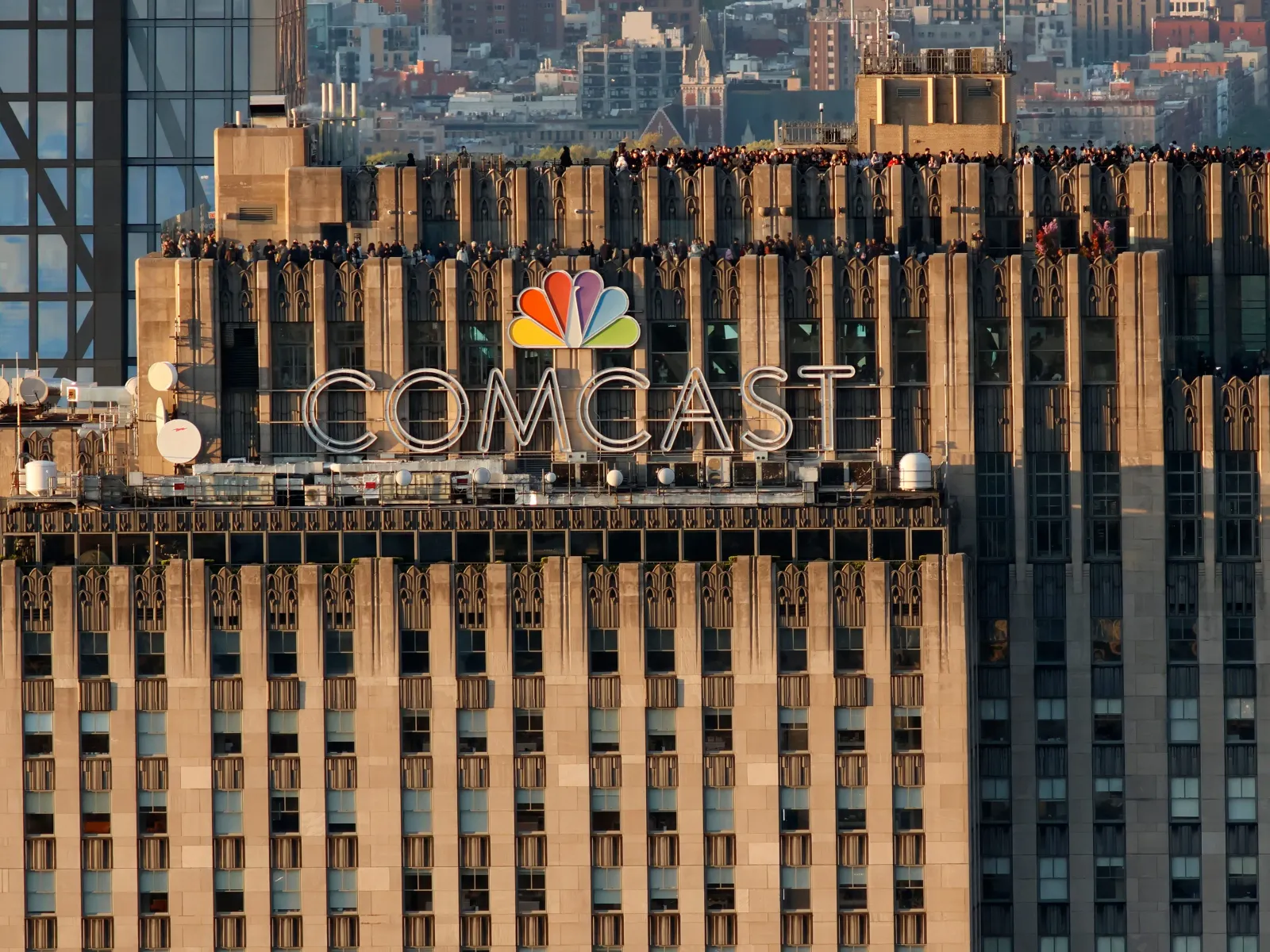
Comcast shares jump 25% as it plans to split NBCUniversal and Sky
The tax-free spin-off could reshape focus, funding, and competition across media and tech for years.

Bungie cuts most Destiny 2 staff as Sony says Marathon still matters
Herman Hulst confirms layoffs affecting most Destiny and some Marathon teams after Bungie admits Destiny fell short.

SK Hynix jumps 11% after seeking up to $29.4B in Nasdaq listing
The chip giant filed for a Nasdaq listing plan that could raise $29.4 billion, instantly reshaping investor expectations.