

Tel Aviv McMeal hits $20.90 while Tokyo drops to $4.90, driven by shekel and yen
A Deutsche Bank report ties the price gap to currencies shaped by defense, tech, and monetary policy, with major knock-on effects.
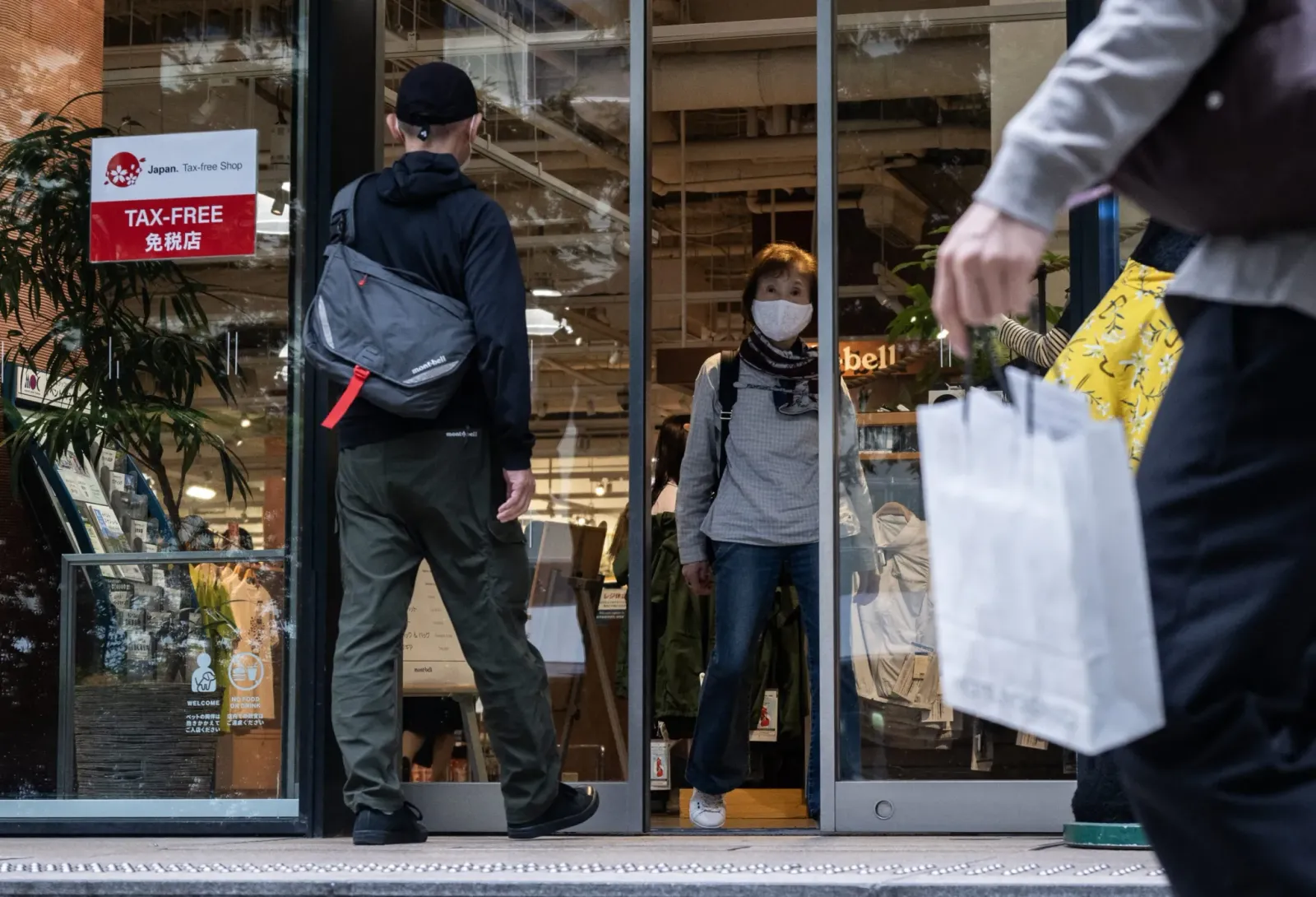
Deutsche Bank’s new report maps how currency swings reshaped everyday prices, including a McDonald’s “McMeal” across Tel Aviv and Tokyo. For decision-makers, the lesson is simple: FX policy and domestic supply constraints can quietly rewrite real-world cost structures and demand.
Tel Aviv’s McDonald’s McMeal costs $20.90, while Tokyo’s costs $4.90, and Deutsche Bank’s report makes the culprit brutally clear: currency. The shekel’s strength and the yen’s weakness have become a real-time pricing engine. In fact, Deutsche Bank ties Tel Aviv’s “highest price on Earth” to a shekel that strengthened roughly 30% against the dollar, including a 13% lift in the last year even amid the war in Iran. Meanwhile, Japan’s yen has lost 51% of its value against the dollar since 2012 after the central bank kept monetary policy loose to fight persistent deflation.
That explains why Japan can feel like a bargain for shoppers, but not necessarily for the people doing the working. Deutsche Bank estimates Japan’s relative price level for a basket of goods in the U.S. was nearly double in the mid-1990s, then fell from an index reading of 173 to just 60. Japan becomes cheap next to places like New York or Zurich. Tel Aviv, meanwhile, doesn’t just sit on the “expensive” end of the map. A McMeal in Tel Aviv runs $20.90, up 71% since 2016 and the highest price recorded by Deutsche Bank. The same report also ranks Tel Aviv in the top five globally for the cost of jeans and a summer dress, and lists the city as second-most expensive for gasoline and a new car.
So what’s underneath the FX move? Deutsche Bank’s researchers credit Israel’s strong domestic tech and defense industries, plus supply disruptions, for keeping the shekel elevated. The story is not that Israel suddenly became rich overnight. It’s that defense and tech helped build durable earning power and demand, while supply limits kept consumer goods and housing from catching up. Since 2012, Tel Aviv’s net salaries are up 137%, apartment prices up 136%, and even a dinner for two costs 122% more. That’s the part that turns currency into a cost-of-living story rather than a spreadsheet story.
Deutsche Bank’s report also frames Tel Aviv’s wartime economics as a long arc with sharp interruptions. Fortune’s 2023 excerpt of “The Genius of Israel” traced Israel’s tech dominance back to compulsory military service, which doubles as a research and development pipeline. But the boom hasn’t been linear. In late 2023, Israel’s GDP contracted 20% as consumer spending and real estate investment cratered under the weight of the war in Gaza. Eckstein’s explanation adds a key mechanism for how the shekel held up: for years, Israelis had high savings and kept a large share of those savings in foreign currency assets, which helped keep the shekel around 3.5 to 3.6 per dollar.
Then something changed over the past year. The Israeli stock market jumped by about 50% while the S&P 500 rose by about 20%. As local equity markets performed so strongly, Israeli investors shifted long-term investments back into shekel-denominated assets, strengthening the currency. Zvi Eckstein, a former Bank of Israel deputy governor and head of the Aaron Economic Policy Institute, told Fortune that the “asset allocation has moved to more Israelis because of the performance of the Israeli stock market, which was exceptional and was kind of a one-time change.” For executives, this is a reminder that FX is often the downstream effect of portfolio behavior, not just central bank headlines.
But currency alone does not explain why Tel Aviv is so expensive. Eckstein said the strong shekel raises costs in dollar terms, but Tel Aviv’s high cost of living is primarily due to domestic policy and supply constraints, not just exchange rates. He singled out tight housing and food supplies alongside rising demand. The Israel Land Authority controls over 90% of Israeli land, meaning development decisions in prime areas are centralized rather than market-driven. Municipalities have also long favored approving commercial development over residential projects, according to an IMF analysis of the Israeli housing market. On top of that, WTO data for 2025 show Israel applied an average tariff of 7.5% to agricultural imports compared with 0.1% for non-agricultural goods, with dairy still highly protected at a 42% average tariff. When you combine land concentration, housing approvals that tilt commercial, and agricultural protection, you get structural pressure on prices that FX moves can amplify.
Now zoom out to Japan, where the yen’s weakness is a different kind of engine. The yen fell because Japan kept monetary policy loose to fight persistent deflation. As Deutsche Bank tracks, the yen has lost 51% against the dollar since 2012, and that matters for everyday spend. The report estimates a three-bedroom apartment in central Tokyo rents for about a quarter of the New York price, and a dinner for two is roughly a third of the cost in Zurich or New York. It also says Japan is now the cheapest place to walk out of an Apple Store with a new iPhone. That’s a tourism and consumer demand story too: Fortune reported that the weak yen helped turn tourism into Japan’s second-largest export, with visitor spending surging even as some residents grumble about overtourism.
But for workers, the bargain is not symmetric. Deutsche Bank indicates net salaries fell 18% in dollar terms since 2016 and rank 39th of the 69 cities it tracks, below Madrid. For extra contrast, the report notes a worker in Zurich earns 3.5 times as much as a Tokyo counterpart. Japan’s demographic situation also hangs over the whole picture. The Deutsche Bank report indicated that Japan’s aging and shrinking population could help catalyze AI implementation to meet labor shortages, especially in industries where Japan has deep manufacturing and robotics expertise. The researchers wrote, “Ultimately, Japan’s back is against the wall demographically.” They add that this makes aggressive AI adoption “not just a competitive advantage, but a strict economic necessity for the country's survival over the next two decades.”
The strategic takeaway for boards and finance teams is that FX is never just “currency.” It becomes a pricing layer on top of domestic supply constraints, labor markets, and capital flows. Tel Aviv shows how strong domestic tech and defense, plus centralized land decisions and import protections, can keep cost levels elevated and convert exchange-rate strength into sticker shock. Tokyo shows how monetary policy designed to fight deflation can make a country cheaper for outsiders and consumers, while still leaving workers and wage power lagging. If you run a company, the Tel Aviv and Tokyo split is a case study in second-order effects: where demand shifts, where margins get squeezed, and where labor strategies like AI adoption become less optional. And if you invest, it’s a reminder that “affordable for tourists” and “affordable for employees” can be two totally different worlds.
This story's Key Insights and Take-aways are locked.
Create a free account to unlock Executive Actions for one credit.
Register to UnlockAlways free for Executives Club members. Join the Club
More in Business

Uber buys Delivery Hero for nearly $15B, vaulting to top food delivery outside China
The deal doubles Uber's dual-services footprint and pushes a ride-and-eats bundling play into 50 more markets.

Epic and Google drop settlement bid, forcing rival Android app stores by July 22
Google told the court it is ready to carry third-party app stores starting Wednesday, July 22.
SK Hynix opens at $170, raises $26.5B, and tops foreign IPO records
In Friday's Wall Street debut, SK Hynix turns AI RAM demand into a $26.5B fundraising moment that rewrites comps.