
Telemundo and Peacock own nearly half of U.S. World Cup viewers in Spanish
Nearly half of U.S. viewers tuning in are watching Telemundo and Peacock’s Spanish-language World Cup coverage.
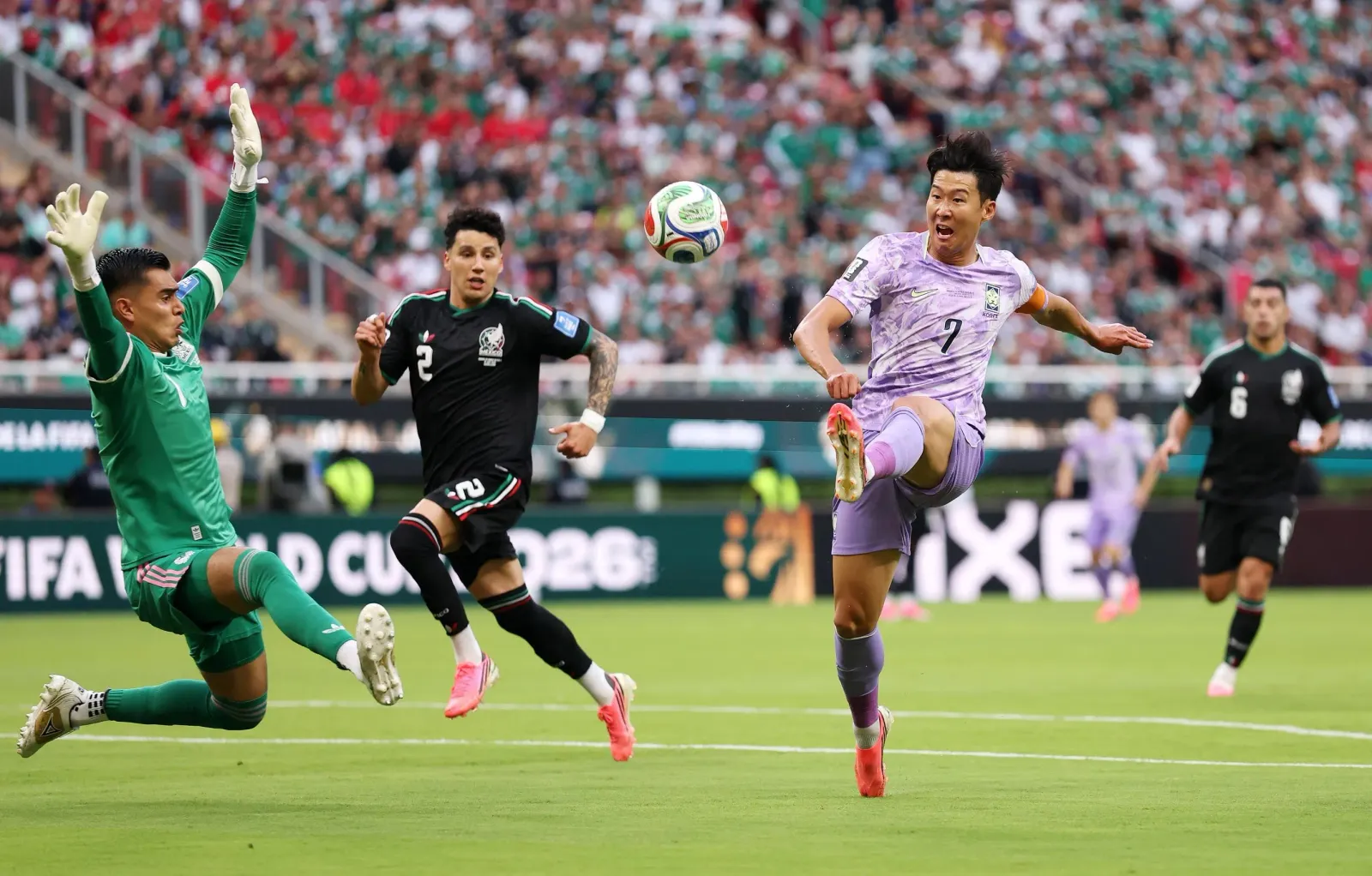
Telemundo and Peacock’s Spanish-language World Cup coverage is drawing audiences at a scale the network is capturing nearly half of all U.S. viewers tuning in. For decision-makers, that signals an audience migration opportunity in premium sports distribution and ad inventory.
Telemundo and Peacock’s Spanish-language World Cup coverage is scoring big in the U.S., capturing nearly half of all U.S. viewers tuning in. That is not a rounding error. It is a clear, measurable hold on mainstream attention during one of the biggest global events sports media can buy.
In plain terms: when the World Cup comes on, a huge slice of Spanish-language viewers are choosing Telemundo and Peacock, and the audience is large enough that it reshapes what “dominant” looks like in the market. Nearly half of U.S. viewers tuning in is the kind of number executives remember when budgets get tight, when programming decisions are made, and when advertisers ask where reach actually is.
To understand why this matters, you have to look at how U.S. sports audiences and media platforms behave around tentpole events. The World Cup is a rarity, a time when viewers coordinate across networks, streamers, and language segments. In a normal week, distribution is about fragmentation. In tournament weeks, distribution becomes about aggregation. Whoever captures that aggregation gets first pick on everything that follows: ad pricing power, promotional leverage, and more direct data about what audiences will actually watch, not what they say they plan to watch.
Spanish-language coverage has often been treated as a “targeted” business. This result argues it is also a mainstream one, at least around the World Cup. When a network and a streaming platform (Telemundo and Peacock) jointly command a near-majority share of tuning-in viewers, the business problem stops being “Can we reach Spanish-language audiences?” and becomes “How much of the market do we control when cultural momentum and live sports pull everyone in the same direction?” The second question is where the money usually is.
There is also a market-structure angle. Peacock is not just broadcasting. It is distributing via streaming. That changes the incentives compared to traditional linear TV, where most engagement is measured by set-top box behavior. Streaming, in contrast, often gives platforms more granular insight into viewing patterns and retention. When a streaming service rides a massive live event, it can convert casual interest into repeat usage, especially among viewers who want language-first programming. That can influence future rights strategy, including how aggressively platforms bid for similar major sporting windows and how they structure packaging to keep viewers subscribed beyond the final whistle.
Regulatory background, while not spelled out in the source, still matters for context. Media ownership and distribution in the U.S. are shaped by rules and constraints at the federal and state level, and those constraints influence how companies collaborate, where they invest, and how they monetize audiences. Even when those details do not change day-to-day for viewers, they shape the competitive landscape executives operate in. The practical takeaway is simple: if you are in sports media or distribution, large audience capture during major events can strengthen leverage in negotiations, because it proves commercial value under real viewing conditions.
What is most strategically important for peers is the signal this sends to the boardroom. If Telemundo and Peacock can capture nearly half of U.S. viewers tuning in to Spanish-language World Cup coverage, then the “default” assumption that major sports audiences only concentrate around certain mainstream channels becomes harder to defend. It implies that Spanish-language programming can be a primary driver of event-time reach, not a niche add-on.
For executives making programming, marketing, and capital allocation decisions, this is the moment to connect the dots between audience behavior and distribution strategy. When sports events break records for viewership concentration, they also reveal where the biggest commercial opportunities sit for advertisers and partners. The number, nearly half of U.S. viewers tuning in, is the headline. The business implication is the part that lasts: Spanish-language coverage paired with premium distribution can create outcomes that look like mainstream dominance in the U.S. sports media market.
This story's Key Insights and Take-aways are locked.
Create a free account to unlock Executive Actions for one credit.
Register to UnlockAlways free for Executives Club members. Join the Club
More in Business
Comcast shares jump 25% as it plans to split NBCUniversal and Sky
The tax-free spin-off could reshape focus, funding, and competition across media and tech for years.

Bungie cuts most Destiny 2 staff as Sony says Marathon still matters
Herman Hulst confirms layoffs affecting most Destiny and some Marathon teams after Bungie admits Destiny fell short.

SK Hynix jumps 11% after seeking up to $29.4B in Nasdaq listing
The chip giant filed for a Nasdaq listing plan that could raise $29.4 billion, instantly reshaping investor expectations.