
Telemundo buys Spanish U.S. rights for UEFA Champions League, starting 2027-28
Three-season deal expands Telemundo’s UEFA slate in the U.S. with Spanish-language coverage of top men’s club competitions.
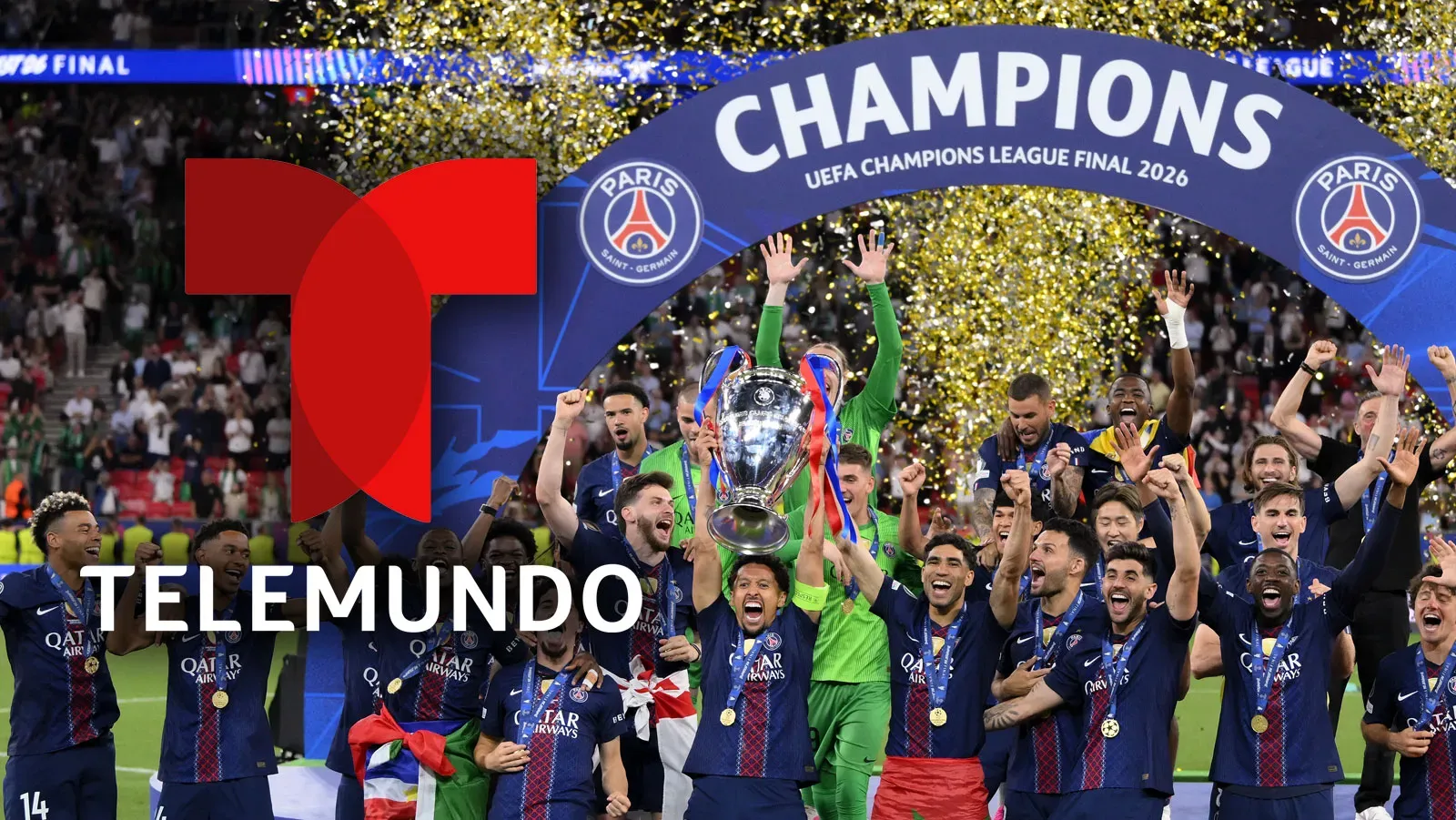
Telemundo, a U.S.-based network, scored the Spanish-language rights in the U.S. to UEFA’s men’s club competitions in a three-season deal. The agreement begins with the 2027-28 season and includes Spanish-language rights for the UEFA Champions League and UEFA Europa League.
Telemundo just made a very loud play in U.S. soccer media: it scored Spanish-language rights in the U.S. for UEFA’s men’s club competitions, in a deal that runs for three seasons starting with the 2027-28 season. The headline part for decision-makers is the Champions League inclusion, specifically Spanish-language coverage in the U.S. Telemundo is not treating this like a one-and-done. It is building a multi-year UEFA franchise.
And here is what that means in practical terms: the agreement covers Telemundo’s Spanish-language U.S. rights for the UEFA Champions League and UEFA Europa League as part of “all of UEFA’s men’s club competitions.” That matters because UEFA’s calendar is not a single event. It is an extended content engine that drives recurring viewership across group stages, knockout rounds, and finals, all season long.
From a media strategy perspective, this is the kind of rights acquisition that can change a network’s programming math. Live sports rights are expensive, but they also behave differently than most content. They tend to concentrate attention at specific times, bring back lapsed viewers, and create repeatable ad inventory anchored to a global brand. When a network locks in multiple seasons, it can also plan downstream assets: promotional campaigns, studio shows, digital cutdowns, and advertiser packaging around predictable match windows.
There is also a market reality under the surface. The U.S. Spanish-language audience is large enough that rights holders and leagues treat it as a distinct, monetizable market, not a translation add-on. Deals like this usually reflect a belief that viewers do not just consume the match. They follow the league storyline, the teams, the familiar broadcast experience, and the continuity of where they watch. A three-season term starting in 2027-28 signals Telemundo wants continuity through at least several UEFA cycles, not just one peak moment.
Why would UEFA’s partners spread Spanish-language rights across multiple competitions? The UEFA men’s club ecosystem is interconnected. The Champions League is typically the top-tier draw, while the Europa League adds additional match inventory and another layer of international club competition. Keeping both in the same broadcaster’s portfolio strengthens a narrative: viewers can stay with one ecosystem rather than “shopping” between networks when their favorite teams move between tournament tracks.
For executives, this also raises competitive pressure. If Telemundo has the Spanish-language U.S. rights for these UEFA club competitions, rival broadcasters and streamers lose a direct path to that audience engagement. That can force competitors into two lanes: bid harder for other premium sports inventory, or lean into alternative rights that still fit the same seasonal consumption habits. In other words, Telemundo’s deal does not just add content to its schedule. It shifts the competitive landscape for who owns the soccer habit in Spanish-language media.
There is a second-order implication for advertisers and sponsors too. Multi-season rights agreements can improve planning. Brand managers and sports marketing teams can build campaigns with more confidence about when and where audiences will be. A Champions League rights holder can often command higher-intent reach during key matches, while the Europa League expands the number of high-value moments across the season. For the networks involved, that translates into more stable sell-through across the sponsorship and advertising funnel.
Finally, the timing is strategic. The deal begins with the 2027-28 season, meaning the actual on-air payoff is later, but the commercial groundwork likely begins now. Rights acquisitions of this type tend to influence near-term negotiations for production, distribution, and marketing partners. It also affects internal budgeting and long-range planning because live sports rights can be a core driver of revenue assumptions. In a market where viewers and advertisers pay attention to who has the next big, recurring tentpole, winning UEFA’s Spanish-language club package positions Telemundo as a serious long-term soccer destination.
Bottom line: Telemundo has secured Spanish-language U.S. rights for UEFA’s men’s club competitions on a three-season term starting with 2027-28, including UEFA Champions League and UEFA Europa League. For executives watching the media rights race, it is a clear signal: Spanish-language sports broadcasting in the U.S. is not waiting around for the next World Cup moment. It is building its next multi-year engine.
This story's Key Insights and Take-aways are locked.
Create a free account to unlock Executive Actions for one credit.
Register to UnlockAlways free for Executives Club members. Join the Club
More in Entertainment

12TB Steam 'teraleak' goes beyond Valve: GTA 3, Mafia 2 prototypes exposed
A 12-terabyte dump of Steam data reveals prototypes and builds of third-party classics like GTA 3 and Mafia 2, plus unreleased Valve content, rewriting game history.

LinkedIn's romance problem: 1 in 4 workers say dating on it is fair game
A new survey shows a quarter of U.S. employees treat the professional network as fair game for romance, even as LinkedIn bans it and removes hundreds of thousands of offending posts.

Enhypen's first No. 1 album breaks K-pop's Billboard 200 streak
The K-pop group's 98,000-unit debut tops the chart while Dolly Parton's catalog reentry shows how death reshapes streaming.