

Teleprompter operator Gabriel Perez placed on unpaid leave after $100k Kalshi bets
CFTC investigation follows reports of alleged speech-timing bets, forced freezes, and a president who calls it “a disgrace.”

White House teleprompter operator Gabriel Perez is on unpaid administrative leave after reports he allegedly profited from President Donald Trump's speeches via Kalshi. For decision-makers, the case spotlights how prediction markets, surveillance, and CFTC scrutiny are colliding with real-world politics.
Gabriel Perez, a White House teleprompter operator who has worked for Trump since his first campaign, has been placed on unpaid administrative leave after reports he allegedly made more than $100,000 betting on President Donald Trump's speeches using Kalshi. The allegation, first reported by ABC News, is now under investigation by the United States Commodity Futures Trading Commission (CFTC), according to a person familiar with the matter.
White House press secretary Karoline Leavitt confirmed Thursday that the president called the alleged behavior “a disgrace” and said Perez is complying with the CFTC investigation. Leavitt also said that while there will be a teleprompter operator at tonight’s event, it will not be Perez. The stakes are obvious: if the allegation is true, it is not just a personal ethics problem, it is a regulator-facing question about whether “prediction” markets can be gamed using material nonpublic information.
So what exactly happened, according to the reporting and the market-side explanation? Perez is alleged to have used inside knowledge of the timing or content of Trump’s speeches to place bets on Kalshi. Perez earns $175,000 annually as a member of the White House staff, and the case is among the highest-profile allegations involving alleged insider trading on prediction markets. Those markets have surged in popularity over the past year because they let users wager on everything from elections to economic data to the contents of presidential speeches.
Kalshi and other prediction market platforms, including Polymarket, prohibit trading on material nonpublic information. But prohibition alone is not compliance. It is enforcement plus detection, which is why Kalshi’s surveillance systems matter here. Robert DeNault, the head of enforcement for Kalshi, told Business Insider that Kalshi’s surveillance team flagged and referred the trades to the CFTC after an internal investigation. DeNault said the platform has charged this individual and has been assisting regulators, providing evidence collected, “as we do in any referral.”
The internal detection timeline also has details that are hard to ignore. Beginning in March, Kalshi’s surveillance system identified unusual trades in its “mention markets” tied to specific words in Trump’s speeches. Those signals reportedly led Kalshi to Perez, according to a person familiar with the matter. After the internal investigation, Kalshi froze funds totaling over $90,000 in his accounts before Perez could cash out most of his profits on the platform.
That freeze detail matters because it shows how market operators are trying to contain risk once suspicious patterns appear. In theory, surveillance is there to spot patterns that look like informational advantage rather than ordinary betting. In practice, it also means the moment an operator “refers” or intervenes, the case shifts from sports-bet style wagering to regulatory scrutiny that can follow you beyond the platform. Even without a confirmed CFTC outcome, the reputational and operational impacts can arrive fast. Leavitt’s remarks underscore how quickly the White House moved to distance itself: Perez was put on unpaid administrative leave at the president’s direction, while a different teleprompter operator would be used.
Now zoom out to the regulatory posture, because this is the bigger arc beneath the individual story. A CFTC spokesperson refused to confirm or deny the existence of an investigation into Perez. That is a common posture for regulators, but the lack of confirmation does not stop the narrative from having consequences. It also reflects how politically sensitive these allegations are, and how quickly lawmakers and regulators have been pushing prediction markets to tighten enforcement.
This is not the first high-profile policing event in the space. Business Insider previously reported that Kalshi referred former Rep. George Santos to the Justice Department and CFTC after detecting suspicious trades tied to whether he would attend Trump’s State of the Union address. Santos denied wrongdoing. Business Insider also reported another case where a US soldier was indicted on charges of using classified military information to make bets on Polymarket, winning more than $400,000. Put together, these cases show that the core issue is not just “bettors make money.” It is whether the information behind the bet is legal.
For executives and boards, the second-order lesson is simple but uncomfortable: prediction markets are no longer niche. When they connect to public events that happen on a schedule, surveillance gets a lot more powerful, because the timing can be compared to trade behavior. That means internal compliance systems are becoming competitive advantages, and not having them is a liability. Operators also need clear escalation paths, evidence retention, and the ability to freeze funds fast when signals appear, because in a referral scenario the market can become part of the regulatory record.
And for anyone building or investing in adjacent platforms, the operational reality is that scrutiny can move from regulators to public officials to corporate risk in one news cycle. Perez’s situation, with a $100,000+ allegation, a $175,000 salary, a CFTC investigation, and a Kalshi freeze over $90,000, is a reminder that when “prediction” touches privileged information, the enforcement clock starts ticking immediately.
This story's Key Insights and Take-aways are locked.
Create a free account to unlock Executive Actions for one credit.
Register to UnlockAlways free for Executives Club members. Join the Club
More in Business

Uber buys Delivery Hero for nearly $15B, vaulting to top food delivery outside China
The deal doubles Uber's dual-services footprint and pushes a ride-and-eats bundling play into 50 more markets.

Epic and Google drop settlement bid, forcing rival Android app stores by July 22
Google told the court it is ready to carry third-party app stores starting Wednesday, July 22.
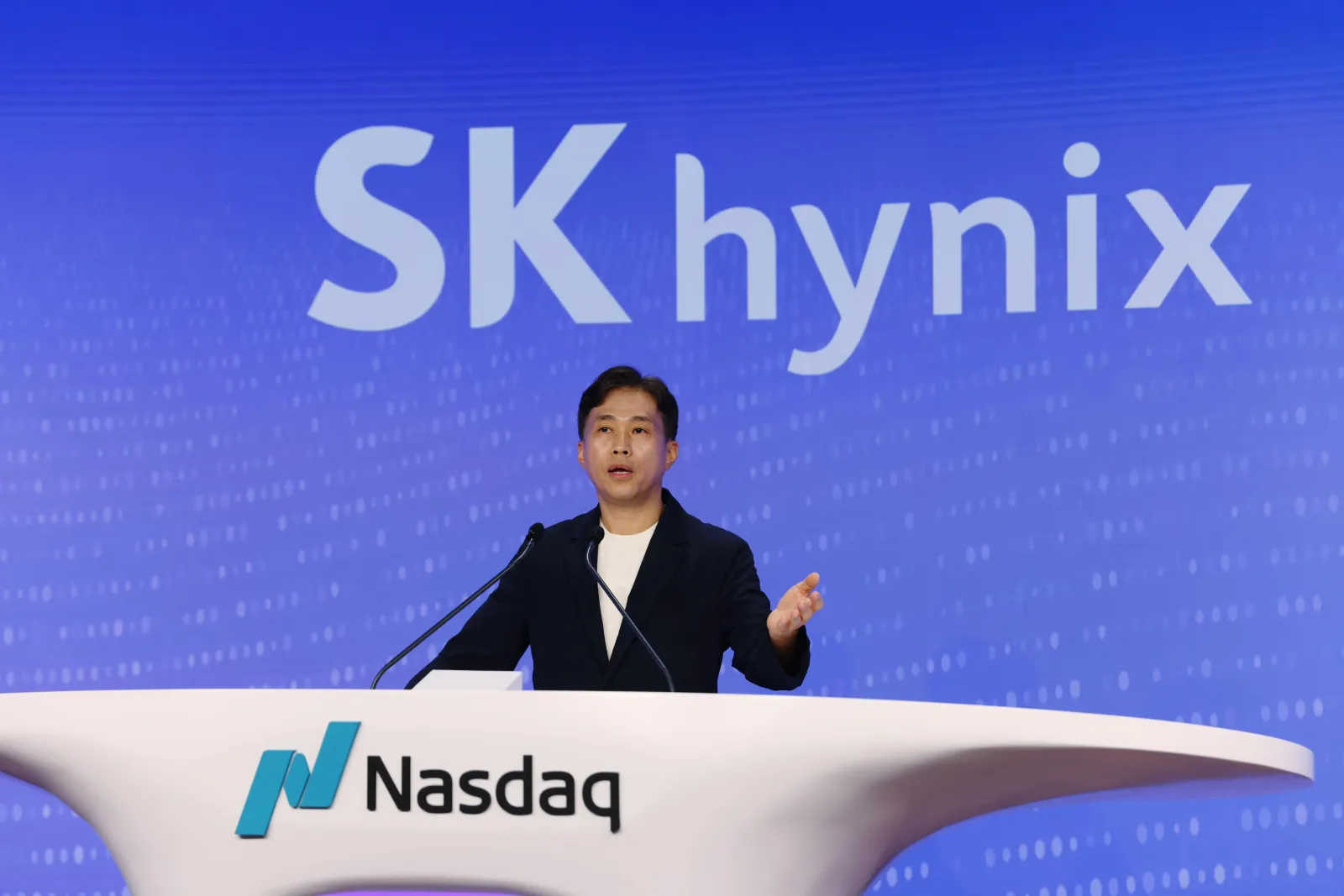
SK Hynix opens at $170, raises $26.5B, and tops foreign IPO records
In Friday's Wall Street debut, SK Hynix turns AI RAM demand into a $26.5B fundraising moment that rewrites comps.