

Teni Melidonian leaves AMPAS full-time role, shifts to consultant after restructuring
AMPAS CEO Bill Kramer says Melidonian stepped down to a consulting role, signaling how the Academy is reshaping governance.
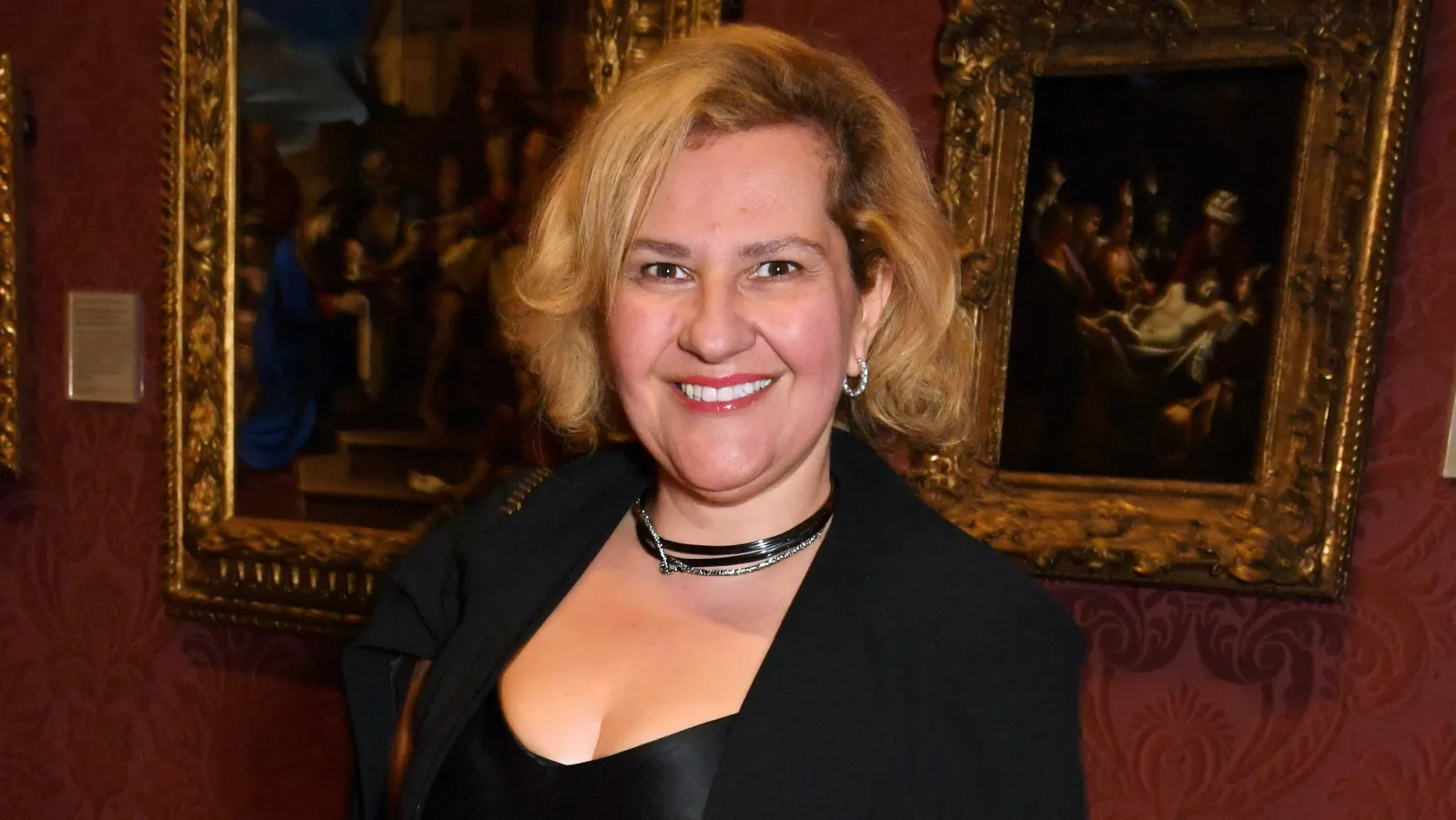
Teni Melidonian stepped down from her full-time executive position at the Academy of Motion Picture Arts and Sciences (AMPAS). In a staff-wide email Monday, CEO Bill Kramer announced her transition to a consultant role as part of a restructuring.
Teni Melidonian has stepped down from her full-time executive position at the Academy of Motion Picture Arts and Sciences. On Monday, AMPAS CEO Bill Kramer announced in a staff-wide email that Melidonian will transition into a consultant role, rather than continuing in an executive capacity.
The timing matters. This staff change lands days after the Academy invited 529 film industry notables to become Oscar voters, a move that expands who gets to help determine the Academy Awards’ voting body. Put those together and you get a governance and influence question that boards and operating leaders understand instantly: when an organization expands its decision-making footprint, who runs the machine behind the scenes, and how stable is the leadership pipeline?
To be clear, this is not an accusation and the source does not claim wrongdoing. What it does signal is organizational restructuring. When a senior executive exits full-time status and stays on as a consultant, the practical interpretation is usually one of transition management: preserve institutional knowledge while changing how work is staffed and owned. In media and cultural institutions like AMPAS, where reputations, stakeholder relationships, and operational continuity are all intertwined, that pattern is common when leadership wants to both “reset” and “de-risk” at the same time.
CEO Bill Kramer’s role is the key organizational fact. The source frames the announcement as coming from Kramer in a staff-wide email, which implies the transition is being managed internally with clear communication. In most large nonprofits and membership-based organizations, staff-wide messages are used when leadership wants alignment quickly, especially during reorg periods. In other words, the email is not just HR housekeeping. It is a governance signal: the CEO is directing how the organization will operate through change.
Now zoom out to the second pressure point: the Oscar voting expansion. The Academy invited 529 film industry notables to become Oscar voters days before this restructuring update. Whether those invitations aim to broaden representation, deepen industry connectivity, or modernize the awards process, they change the stakes around how voting rules, norms, and member engagement get managed. That can increase workload in areas like member onboarding, communications, and compliance with voting-related processes.
When an organization changes who participates in a high-stakes decision, there is often a ripple effect across operations. The people running day-to-day execution must translate policy into practice, and they must do it cleanly, because controversy in elections or voting systems is reputationally expensive. Even if Melidonian is staying on as a consultant, shifting away from full-time execution suggests AMPAS wanted a different operating posture at the same moment it was enlarging the voter roster.
There is also an internal power dynamic to consider, and it is more subtle than people first think. In institutions with boards and membership, executive leadership tends to sit at the intersection of stakeholder demands and organizational capability. A transition from full-time executive to consultant can mean the CEO is trying to re-balance authority and accountability without losing expertise. Consultants can advise, help with continuity, and help leadership hand off projects, while the full-time role locks in responsibility for deliverables.
For decision-makers watching AMPAS, the strategic stakes are pretty direct. Oscar voters influence outcomes that shape industry careers, studio incentives, and global cultural attention. That makes AMPAS leadership changes more than a staff note. They are a window into how the Academy is aligning governance with operational reality, especially when it is bringing 529 new industry figures into the voting ecosystem.
If you are an executive in a similar role, the lesson is less about any one person and more about the sequence. AMPAS is expanding its voter base while simultaneously restructuring executive staffing, moving a senior executive into consulting. When those timelines overlap, it usually means leadership is trying to stabilize institutional knowledge while adjusting how the organization executes its next phase. In a world where voting legitimacy, stakeholder trust, and operational reliability are everything, that is the move that matters.
This story's Key Insights and Take-aways are locked.
Create a free account to unlock Executive Actions for one credit.
Register to UnlockAlways free for Executives Club members. Join the Club
More in Business

Comcast shares jump 25% as it plans to split NBCUniversal and Sky
The tax-free spin-off could reshape focus, funding, and competition across media and tech for years.

Bungie cuts most Destiny 2 staff as Sony says Marathon still matters
Herman Hulst confirms layoffs affecting most Destiny and some Marathon teams after Bungie admits Destiny fell short.

SK Hynix jumps 11% after seeking up to $29.4B in Nasdaq listing
The chip giant filed for a Nasdaq listing plan that could raise $29.4 billion, instantly reshaping investor expectations.