
Tesla Europe sales climb as price cuts and cheap loans win over Elon’s critics
Despite offense toward Elon Musk, incentives are pulling buyers, and Europe is quietly turning it into a sales story.
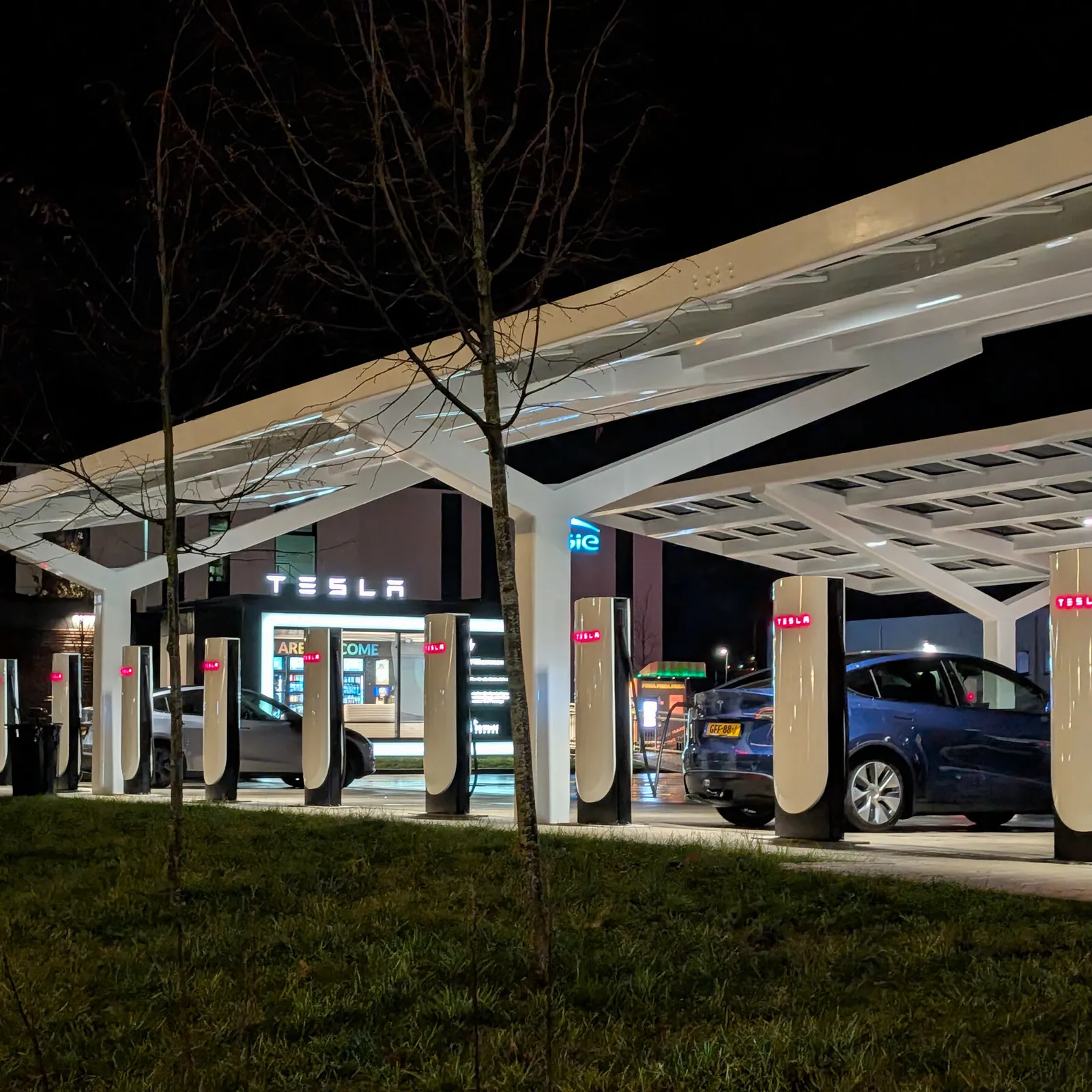
Elon Musk and Tesla are at the center of a paradox in Europe: even people who are offended by Musk are still buying Tesla vehicles. According to the report, price cuts and low-interest-rate loans are doing the heavy lifting, nudging demand upward.
Europe is showing a rare market truth: brand feelings do not always block purchasing when the math improves. In Tesla’s case, the report highlights that Tesla sales in Europe are rising even as some buyers express views critical of the company’s chief executive, Elon Musk. The reason is not subtle. Price cuts and low-interest-rate loans are lowering the upfront and financing costs, making the decision feel less ideological and more like a deal.
That might sound like a basic discount story, but it is consequential for anyone tracking how consumer behavior actually works under economic pressure. When buyers can finance at a low interest rate, the monthly payment can drop enough to outweigh discomfort with a CEO’s public persona. Put differently, Tesla is attracting a segment of customers who, the report notes, are people who are offended by Musk, yet still move forward because the incentive package makes ownership easier. The headline stake here is simple: Tesla is converting even emotionally resistant demand into real sales.
This matters because Europe is not a uniform market. Different countries have different leasing norms, financing availability, and regulatory structures that influence how quickly promotions translate into deliveries. Typically, when automakers push price cuts, the effect can be muted if buyers face high financing costs. But the report specifically points to low-interest-rate loans. That combination is powerful because it hits two different parts of the purchasing decision at once: the purchase price and the cost of carrying debt.
For boards and executives at automakers and mobility firms, this is a reminder that demand can be “friction-limited.” If the main friction is affordability, then improving financing terms can unlock a wave of buyers even when reputation risk remains. Tesla’s situation suggests a potential mismatch between narrative and revenue. Public sentiment toward a high-profile CEO can be loud and visible, but it may not dominate when customers are shopping with budgets, not manifestos.
There is also a regulatory and policy backdrop worth remembering in Europe. While the report itself is focused on sales behavior driven by incentives, the broader environment is that many European markets treat vehicle emissions and clean transportation as policy priorities, which can shape consumer and fleet purchasing decisions. When policy pressures align with incentives, the market can tilt quickly. Even when consumers are skeptical of corporate leadership, regulatory-driven demand drivers can still keep traction moving if the final offer is compelling.
Second-order effects follow for competitors. If Tesla sales are rising because buyers are responding to price cuts plus cheap loans, then the competitive set will feel pressure not only on sticker prices but on financing products. That can change how executives talk to lenders, how they structure partnerships, and how aggressively they defend margins. It also puts pressure on marketing strategies that focus only on brand or product narrative. If the real lever is affordability, messaging becomes less decisive than cost mechanics.
For investors and for corporate governance teams, the implied test is whether reputational controversies can be monetized away by commercial strategy. The report’s framing, with buyers who are offended by Musk still purchasing, suggests that even a controversial CEO presence may not permanently impair sales if the company can keep the economics attractive. That does not mean reputational risk disappears, but it does suggest the order of operations: incentives can buy time, demand can continue, and revenue can keep moving while sentiment plays out.
The strategic stakes for executives in similar roles are clear. If your company is navigating a reputational headwind or CEO-driven controversy, you still compete in a market where customers compare total cost of ownership and financing terms. Tesla’s European sales rise, as described in the report, is the clearest evidence in the story: when you reduce the financial friction enough, you can pull buyers through objections that would otherwise stall a purchase.
This story's Key Insights and Take-aways are locked.
Create a free account to unlock Executive Actions for one credit.
Register to UnlockAlways free for Executives Club members. Join the Club
More in Business

A flaw in PHP just forced governments to pull their own sites offline
European agencies from Belgium to Germany took websites dark to patch a critical weakness in the language behind almost 70% of the web, and the blast radius extends far beyond government portals.

BioWare shuts down, Mass Effect 5 dead after $55B EA buyout
The legendary RPG studio's closure lands months after a $55 billion investment group buyout of EA, raising tough questions for gaming's biggest acquirers.
Musk barred from the room as Tesla, SpaceX boards weigh $3.5 trillion merger
The CEO of both companies is a 'conflicted party' watching independent directors negotiate a tie-up that would create a $3.5 trillion giant he would own about a third of.