

Tesla Q2 deliveries jump 25% YoY, with Europe traction becoming the real lever
Europe momentum is pushing Tesla’s Q2 delivery growth, and it matters for investors tracking demand signals and policy risk.
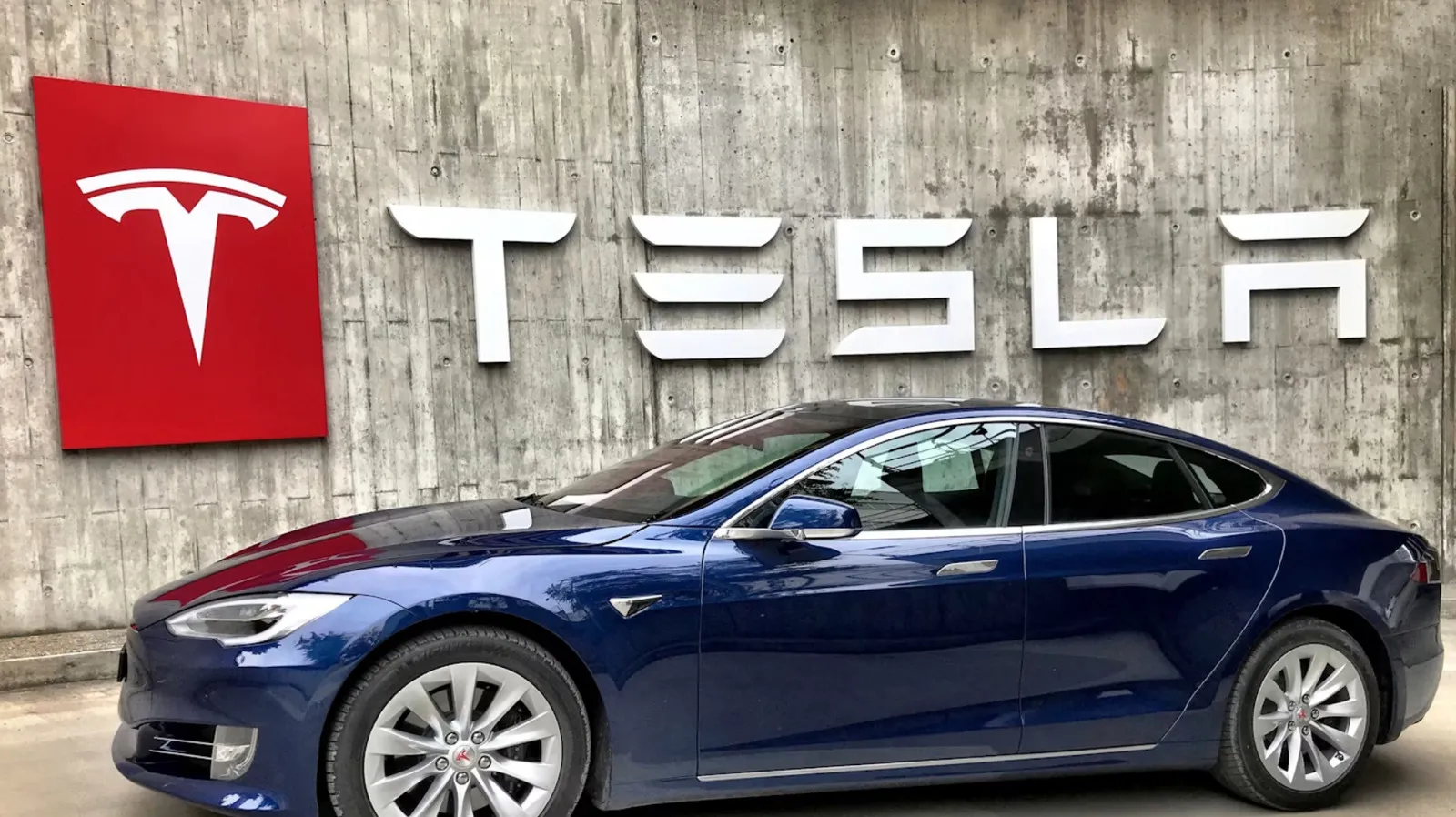
Tesla’s Q2 vehicle deliveries rose 25 percent year over year, and the company is building measurable momentum in Europe. For decision-makers, the bigger story is what that implies about regional demand, regulatory tailwinds, and how Tesla’s growth narrative is shifting.
Tesla’s Q2 vehicle deliveries are up 25 percent over last year, and the interesting part is why. This growth is not being framed as purely a global average story. Instead, the signal the source highlights is that Tesla has been gaining traction in Europe.
A 25 percent year-over-year increase is meaningful on its own. But when the source points to Europe, it turns the number into a clue about demand quality and market structure. Europe is not a single simple consumer market. It is a patchwork of national incentives, charging buildouts, grid constraints, and regulatory targets that shape what customers are willing to buy and how quickly they can adopt new vehicle technologies. So when deliveries rise and Europe is specifically called out, executives should treat it as a demand datapoint tied to policy and ecosystem momentum, not just fleet logistics.
To understand why Europe traction is a big deal, remember how EV sales typically move in waves. Pricing and availability matter, but so do policy guardrails and customer friction. In many European markets, emissions rules, clean mobility programs, and infrastructure initiatives can accelerate adoption once they reach a certain threshold. That does not guarantee every model sells everywhere, but it often changes the speed at which consumer interest becomes actual purchases. The source does not name specific countries or incentive programs, so the responsible takeaway is narrower and still valuable: Europe is behaving like a place where Tesla’s product and go-to-market are clicking.
There is also a capital allocation angle. Delivery growth has a direct relationship to manufacturing planning, working capital needs, and supply chain bargaining power. Higher deliveries can improve cost absorption for manufacturers and can strengthen procurement terms for batteries, components, and logistics. However, that only holds if the growth is durable and not a one-off timing effect. By pointing to Europe traction, the article is implicitly suggesting this is not purely about short-term end-of-quarter dynamics. It is about sustained market momentum in a region where EV competition is intense and where incumbents and new entrants constantly pressure price and feature sets.
For boards and investors, Europe matters because it is where regulatory reality shows up first. Vehicle regulations, corporate average emissions pressures, and clean transport mandates can create winners and losers faster than many companies expect. If Tesla is growing deliveries while gaining traction in Europe, then the company’s strategy for meeting local demand and navigating compliance is working at least well enough to keep the growth curve moving upward. That is a strategic advantage that can translate into more credible forecasting. It can also influence how competitors structure their own capital plans for the next product cycle, especially when Europe is their primary battleground.
Second-order, this also affects how executives think about competitive positioning. Europe is not just a sales region. It is a reputational arena where customers, media, and regulators pay close attention to who delivers at scale and who stalls. When a company’s deliveries rise and the narrative includes Europe traction, it can shift perception from “promising EV brand” to “operator with real distribution strength.” That perception can feed back into partnerships, dealer and fleet conversations, and faster adoption by institutional buyers like car-sharing operators and corporate fleets. The source does not list these players or confirm any specific partnership, but the mechanism is standard in mature markets: traction tends to attract attention, and attention tends to open commercial doors.
There is one more operational implication for leadership teams: Europe execution is hard. If Tesla is gaining traction there, it likely reflects competent delivery planning, service coverage, and customer support readiness, because otherwise buyers do not convert. Even if the article is brief, the headline and the Europe-focused note point to a company that is not just selling in theory. It is delivering in the places that require the most operational coordination.
So while the headline number is the entry point, the real takeaway is the direction. Tesla’s Q2 deliveries are up 25 percent year over year, and Europe is the spotlight. For executives at automakers, EV suppliers, and investors tracking the sector, that should tighten the lens on regional demand signals and policy-driven adoption. If Europe traction continues, it can help reinforce the growth story behind the deliveries figure. If it stalls, it would suggest the company’s momentum is more fragile than the headline alone implies. Either way, Europe just became a more important variable to watch.
This story's Key Insights and Take-aways are locked.
Create a free account to unlock Executive Actions for one credit.
Register to UnlockAlways free for Executives Club members. Join the Club
More in Business

Comcast shares jump 25% as it plans to split NBCUniversal and Sky
The tax-free spin-off could reshape focus, funding, and competition across media and tech for years.

Bungie cuts most Destiny 2 staff as Sony says Marathon still matters
Herman Hulst confirms layoffs affecting most Destiny and some Marathon teams after Bungie admits Destiny fell short.

SK Hynix jumps 11% after seeking up to $29.4B in Nasdaq listing
The chip giant filed for a Nasdaq listing plan that could raise $29.4 billion, instantly reshaping investor expectations.