

Tesla Q2 produced 451,758 vehicles, up 10%, after brutal 2025 sales
New delivery and production numbers show Tesla is recovering, with implications for automaker planning and capital allocation.
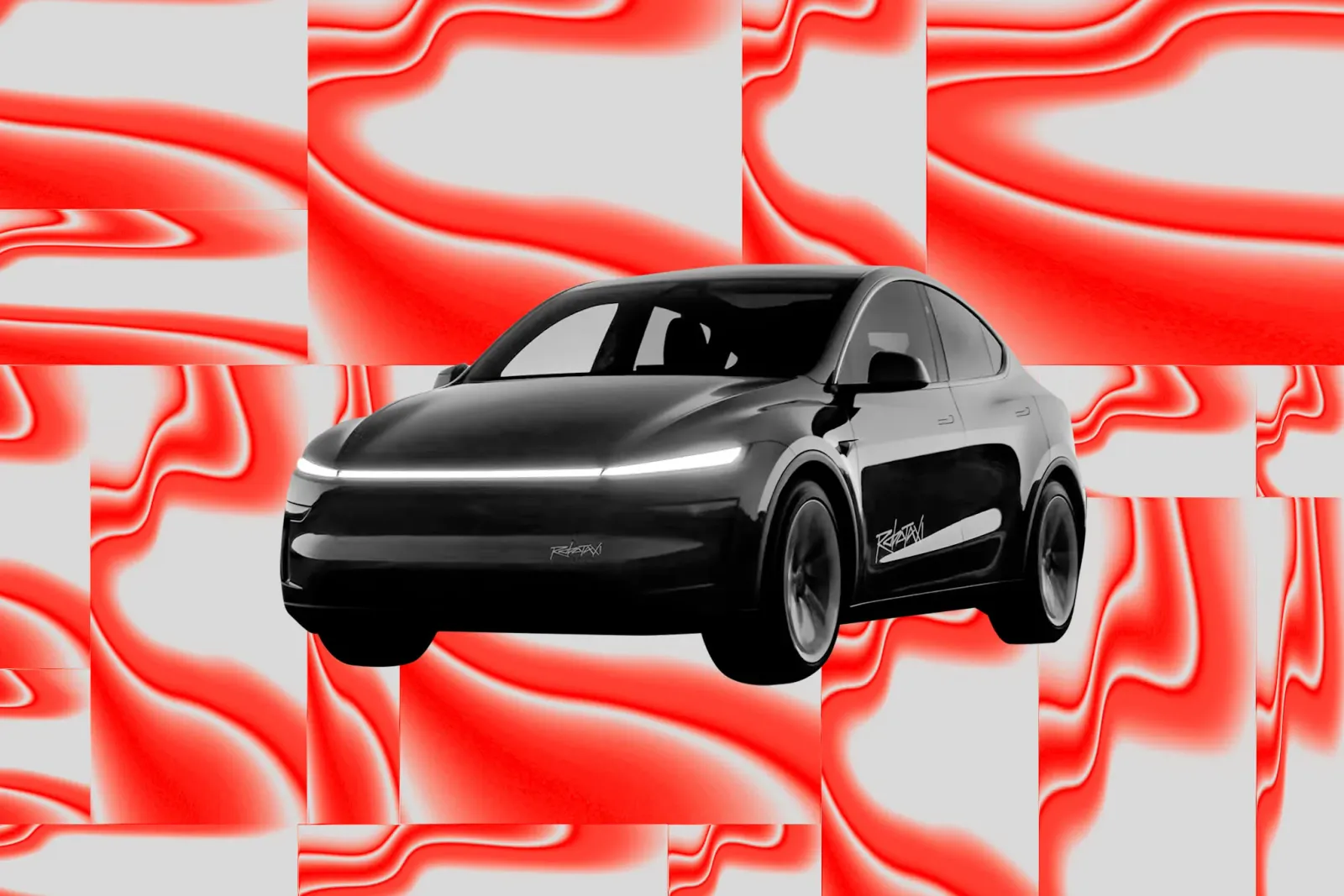
Tesla released its second-quarter delivery and production report for April through June. The company produced 451,758 vehicles and delivered 480,126, signaling recovery after 2025's particularly brutal sales year.
Tesla’s latest delivery and production report has one clear headline number: it produced 451,758 vehicles between April and June, a roughly 10 percent increase versus the second quarter of 2025.
That production rebound is paired with another big figure. Tesla delivered 480,126 vehicles in the same quarter. For investors, suppliers, and any executive running a planning model off demand signals, that combination matters because it suggests Tesla is not just squeezing factories harder. It’s moving cars out the door.
Dig into the breakdown and the recovery gets more specific. Tesla produced 442,936 Model 3 and Model Y vehicles, which is where most of the volume lives. It also produced 8,822 “other vehicles,” a bucket that included models like the Cybertruck and the Tesla Semi. Tesla has been reshaping its lineup in real time, and this quarter’s mix reflects that ongoing shift.
The report also references a discontinuation that helps explain why the vehicle counts look different than they would have in earlier years. Tesla discontinued the Model S and Model X earlier this year, so Q2 production is largely about Model 3 and Model Y plus the smaller “other vehicles” category. In practical terms, that matters for anyone thinking about spare parts, aftersales service footprints, dealer or fleet relationships, and how quickly Tesla can reallocate capacity when it stops building specific platforms.
It’s also worth putting this into the broader market context. Automakers generally track deliveries as the closest real-time view of consumer and fleet demand, while production reflects the company’s operational discipline and scheduling. When deliveries and production both move in the right direction, it typically reduces the chance that “good news” is just inventory shuffling. Here, the report suggests alignment: production of 451,758 vehicles and deliveries of 480,126 vehicles both point to a functioning flow from factory floor to customer hands.
Zoom out to the framing the report itself uses. Tesla is described as starting to recover after a particularly brutal sales year in 2025. That matters for second-order decision-making inside the industry. When a high-profile EV player shows stabilization, competitors pay attention because it influences how they model market share trajectories, how quickly they escalate incentives, and how cautious they stay with capacity commitments.
There is also the investor angle. Tesla’s volume trajectory has implications for cash generation and cost absorption, since higher output can spread fixed manufacturing expenses over more units, assuming demand holds. Even without digging into margins in this specific source, executives should recognize the “volume-first” signal: if demand remains constrained, production growth can still stress working capital. If demand is improving too, it is often a smoother path to healthier planning.
Finally, consider how this affects the wider ecosystem. Suppliers that serve Model 3 and Model Y scale with volume. If production remains around these levels and deliveries continue to track, procurement cycles can normalize and planning becomes less reactive. Meanwhile, the “other vehicles” category, including the Cybertruck and the Tesla Semi, is smaller but can swing sentiment because each launch or production change tends to have outsized narrative value. The 8,822 figure is modest compared to Model 3 and Model Y, but it signals Tesla is still running multiple product lines, even while the core volume remains concentrated.
The strategic stakes for executives are straightforward even if the story is not dramatic. The report gives a real quarter-over-quarter production comparison: 451,758 vehicles produced versus 410,244 produced in the second quarter of 2025. When you run an automaker forecast, a 10 percent move is not just trivia. It changes what you assume about demand, capacity utilization, inventory posture, and the urgency of your own pricing and production decisions.
This story's Key Insights and Take-aways are locked.
Create a free account to unlock Executive Actions for one credit.
Register to UnlockAlways free for Executives Club members. Join the Club
More in Business

BioWare shuts down, Mass Effect 5 dead after $55B EA buyout
The legendary RPG studio's closure lands months after a $55 billion investment group buyout of EA, raising tough questions for gaming's biggest acquirers.

Musk barred from the room as Tesla, SpaceX boards weigh $3.5 trillion merger
The CEO of both companies is a 'conflicted party' watching independent directors negotiate a tie-up that would create a $3.5 trillion giant he would own about a third of.

Elon Musk just showcased a flying car - and it wasn't at Tesla
The Tesla CEO's latest reveal came at SpaceX, not Tesla, signaling where vertical mobility is headed.