

Tesla’s missing crash data became the real fight in Key Largo, Florida
A yearslong saga turns on one question: what happened to the data that showed how Autopilot performed.
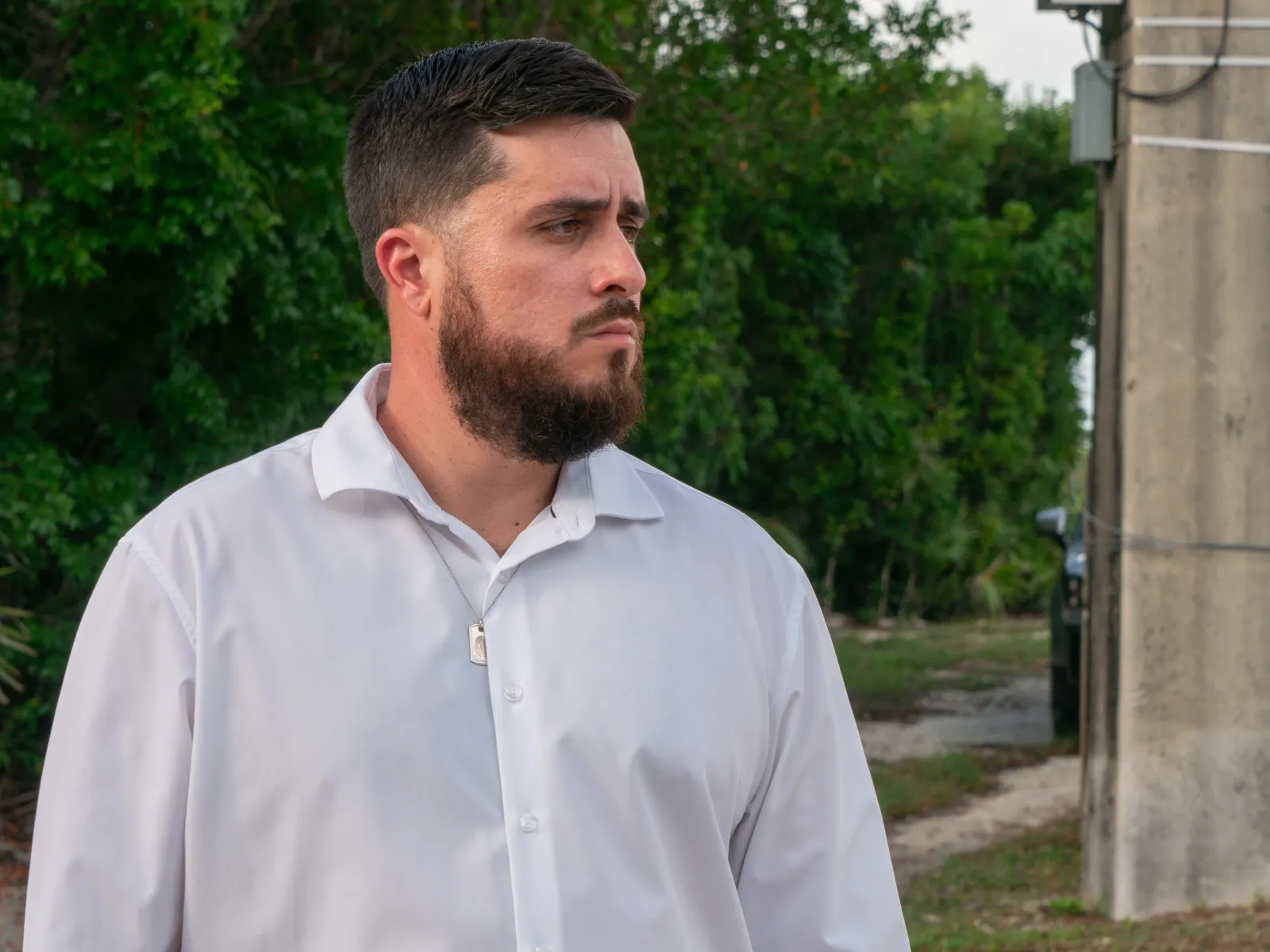
After a deadly April 25, 2019 crash on Card Sound Road in Key Largo, Florida, the case spiraled into a dispute over missing Tesla fatal crash data, drawn from court filings and depositions. The data trail became a referendum on Tesla’s self-driving claims, evidence handling, and safety follow-through.
On April 25, 2019, Dillon Angulo and Naibel Benavides stepped out of Angulo’s black Chevy Tahoe on an unlit stretch of Card Sound Road in Key Largo, Florida, and the night ended in fragments when “the stars went black.” What came next is the part decision-makers actually need to care about: years of litigation and investigations centered on a single question, “What happened to the data that explained how the crash unfolded” on that road.
That question did not stay technical. It turned into a broader battle over evidence in one of the most consequential self-driving cases in history: how Tesla handled, or did not handle, the glovebox computer data that could explain system behavior during a deadly crash. The story, assembled from thousands of pages of court filings, depositions, and extensive interviews, describes how the fight over one vehicle computer became tied to Tesla’s safety narrative, its technical limits for Autopilot, and what regulators and investigators expected to see after fatal incidents.
To understand why executives should care, zoom out to the promise Tesla made before the Key Largo crash even happened. On October 20, 2016, Elon Musk posted a Twitter video captioned “Tesla drives itself (no human input at all) thru urban streets to highway to streets, then finds parking spot.” The video shows a man dropping his hands from the wheel as a black Model X pulls forward on its own, glides through city streets, merges onto a highway, and arrives at Tesla’s Palo Alto headquarters, with a message in the video that the person in the driver’s seat is “only there for legal reasons.” The system powering the stunt was Autopilot, Tesla’s semi-autonomous driver assistance system using cameras, radar, and sensors to steer, accelerate, and brake.
Reality, unfortunately for everyone who bet on the marketing, arrived in a series of fatal crashes that tested the line between “semi-autonomous” and “drive itself.” In early 2016, Joshua Brown, a 40-year-old Navy veteran, was killed in Florida when his Model S struck a semitrailer crossing the highway while Autopilot was engaged. The car was traveling around 74 miles per hour in a 65 zone, and it made no attempt to brake. Tesla’s explanation, as reported, was that neither the Autopilot system nor the driver had seen the white truck against a brightly lit sky, and in the 37 minutes before impact, Brown had his hands on the wheel for around 25 seconds.
The National Transportation Safety Board pushed back sharply. NTSB Chairman Robert Sumwalt said, at a board meeting, that “The system gave far too much leeway to the driver to divert his attention to something other than driving.” Tesla countered that its owner’s manual and instructional materials warn Autopilot requires constant driver attention and is not self-driving. Similar friction repeated later: on March 23, 2018, Walter Huang, a 38-year-old Apple software engineer, died when his Model X veered left on Highway 101 and slammed into a concrete divider. Tesla denied responsibility, arguing Huang was inattentive and playing games on his phone. His widow disagreed, claiming Tesla’s marketing fostered a belief that the car could drive itself, and the company settled for an undisclosed amount the day before trial.
Then came the pattern regulators tried to turn into rules. On March 1, 2019, Jeremy Banner, a 50-year-old father of three, switched his red Model 3 onto Autopilot on Highway 441 in Delray Beach, Florida. A tractor-trailer pulled out from a private driveway, and the NTSB crash report found Autopilot’s vision system did not detect it. Banner’s car, going 68 mph in a 55 zone, did not warn him and slammed into the truck, which sheared off its roof as it passed under the trailer. Still on Autopilot, the car continued driving Banner’s body down the highway for another 40 seconds.
After Brown’s death, the NTSB warned Tesla to restrict Autopilot to limited-access interstate highways, where there are no intersections, driveways, or crossing traffic. The source states Tesla had not built technical safeguards preventing drivers from switching it on anywhere the car detected lane markings. Four years later, the NTSB chairwoman wrote directly to Musk to say Tesla had not responded to these recommendations. By the time Key Largo happened, investigators already had a playbook of what “responsible evidence” and “responsible system limits” should look like.
So what does Key Largo add? It adds the human scale and the evidence dispute. At the crash scene, Florida Highway Patrol Traffic Homicide Investigator Cpl. David Riso arrived after a 911 call. He found driver George McGee, 44, pacing dazed beside his smashed black Model S, and he observed Angulo lying on the ground, shirtless, blood streaming from his mouth, unable to speak, with shattered pelvis and jaw and brain bleeding. The source notes that Riso assumed Angulo must have been driving alone, and bodycam footage captured the scene. McGee told officers he dropped his phone, fished for it, then “The minute I sat up, I hit the brakes and saw his truck,” saying it was too late. He also described using cruise control, “meaning Autopilot.” The second-order effect for executives is clear: when a regulator and multiple prior fatal crashes already highlighted Autopilot’s boundaries, the data showing what happened in a new fatal crash becomes the backbone for any finding of compliance, negligence, or both.
And that is where the missing data question matters beyond headlines. If the glovebox computer data that could explain system behavior is disputed, delayed, or cannot be produced, the entire case shifts from “what the technology did” to “what evidence was available.” In the Key Largo saga, the source says the answer reveals how a fight over a single glovebox computer became a referendum on Tesla’s self-driving technology, its safety claims, and its handling of evidence after deadly accidents. For boards, investors, and operators across any safety-critical AI or autonomy category, this is the warning: the technical system is only half the product. The other half is what you can prove happened, with the right logs, for the right people, at the right time.
This story's Key Insights and Take-aways are locked.
Create a free account to unlock Executive Actions for one credit.
Register to UnlockAlways free for Executives Club members. Join the Club
More in Business
Comcast shares jump 25% as it plans to split NBCUniversal and Sky
The tax-free spin-off could reshape focus, funding, and competition across media and tech for years.

Bungie cuts most Destiny 2 staff as Sony says Marathon still matters
Herman Hulst confirms layoffs affecting most Destiny and some Marathon teams after Bungie admits Destiny fell short.

SK Hynix jumps 11% after seeking up to $29.4B in Nasdaq listing
The chip giant filed for a Nasdaq listing plan that could raise $29.4 billion, instantly reshaping investor expectations.