
Tesla sells more cars, yet profit drops as price cuts and expenses bite
More deliveries are not translating into more profit, forcing executives to rethink pricing, cost control, and margin resilience.
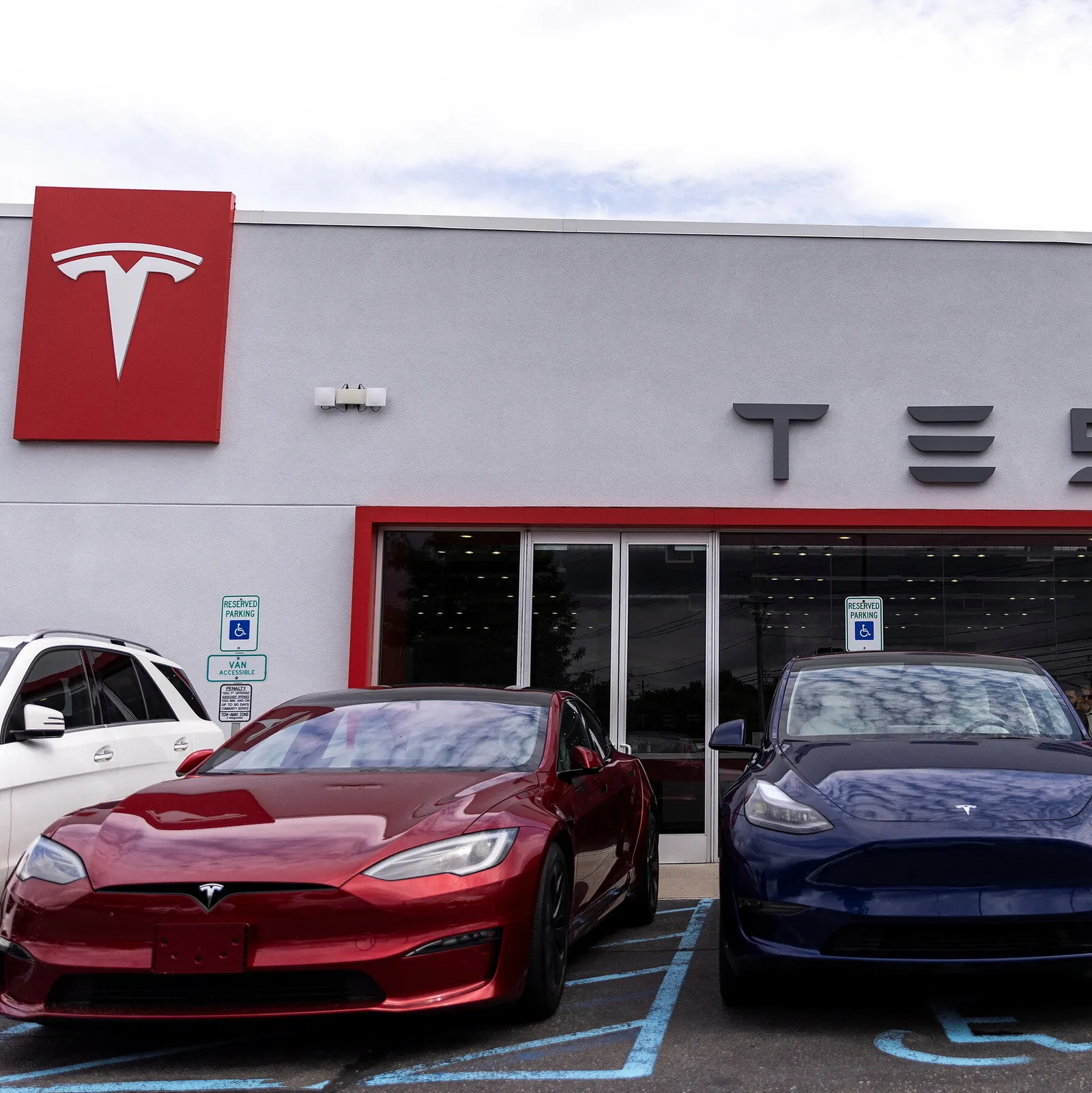
Tesla sold more cars, but the company’s profit fell because of price cuts and higher expenses. For decision-makers, this is a reminder that top-line rebounds can still hide margin stress and balance-sheet risk.
Tesla’s sales are ticking back up, but the profit picture is moving in the wrong direction. The company is selling more cars, yet its profit declines because price cuts reduce revenue per vehicle, and higher expenses erode whatever gains the rebound in deliveries might have created.
That combination is the core story: demand improvement versus economic extraction. If you are an executive reading this, the message is blunt. A rebound in unit sales does not automatically mean better performance for shareholders, because the “profit engine” can stall when pricing has to be sacrificed and costs climb at the same time. In other words, Tesla is selling more, but keeping less.
This is not just a Tesla-specific wrinkle. Automakers live and die by two levers: how much they can earn per unit and how efficiently they can turn manufacturing and operating activity into profit. When a company cuts prices to stimulate sales, it may win back volume, but it also compresses margins immediately. Then, if expenses rise, that compression accelerates. The market may interpret higher delivery numbers as progress, but profit is what determines cash generation, reinvestment capacity, and ultimately how investors judge management execution.
There is also a strategic tension embedded in this kind of quarter-to-quarter setup. Price cuts are often a response to competitive pressure or demand softness. But when that softness eases and sales rebound, the instinct might be to stabilize pricing. The catch is that if higher expenses are structural, not temporary, then even “successful” sales recovery can fail to produce profit growth. The story you should take away is that profitability is a system, not a variable.
Regulatory and policy context matters here too, even if this specific development is about internal results. In the US, electric vehicle policy has historically been intertwined with consumer incentives and broader decarbonization goals. Those frameworks can support demand and encourage adoption, but they do not guarantee company profitability. Profit outcomes still depend on whether companies can maintain pricing power, manage cost curves, and avoid letting operating expenses outrun revenue. Even when the environment is favorable, the operational math has to work.
Boards and leadership teams tend to track leading indicators in parallel: deliveries, revenue per vehicle, operating margins, and expense trends. The complication is that the “leading indicators” can move in different directions at the same time. Deliveries can rebound, while margins decline, and expense inflation can disguise the real health of the business. That is exactly the shape of the situation described here: more cars sold, less profit made, due to price cuts and higher expenses.
For decision-makers at Tesla and its peers, there are second-order implications worth flagging. First, price cuts can condition the market. Once buyers learn to expect discounts, future pricing moves may be harder, because competitors can mirror those offers and customers can delay purchases. Second, if expenses are rising, management may need to address cost drivers directly rather than assuming scale will fix them. Finally, profit declines can change capital allocation decisions, affecting how aggressively companies invest in new models, manufacturing capacity, or software initiatives.
Put simply, this is a margin story wearing a volume disguise. Tesla is selling more cars, but price cuts and higher expenses push profit down. That means the question for executives is not just whether demand is returning, but whether the company can convert demand into sustainable earnings. In competitive EV markets, that conversion is the difference between growth that funds the future and growth that drains it.
This story's Key Insights and Take-aways are locked.
Create a free account to unlock Executive Actions for one credit.
Register to UnlockAlways free for Executives Club members. Join the Club
More in Business

Anthropic’s Levant Alpöge cracks the Jacobian conjecture after 87 years
A Harvard valedictorian used Claude to hit a 1939 breakthrough, but the missing “why” is the real problem.

Uber buys Delivery Hero for nearly $15B, vaulting to top food delivery outside China
The deal doubles Uber's dual-services footprint and pushes a ride-and-eats bundling play into 50 more markets.

Epic and Google drop settlement bid, forcing rival Android app stores by July 22
Google told the court it is ready to carry third-party app stores starting Wednesday, July 22.