

Tetris gets a kids animated series to push STEAM careers
Eurogamer reports a new Tetris-inspired animation aimed at sparking STEM plus arts learning through play.
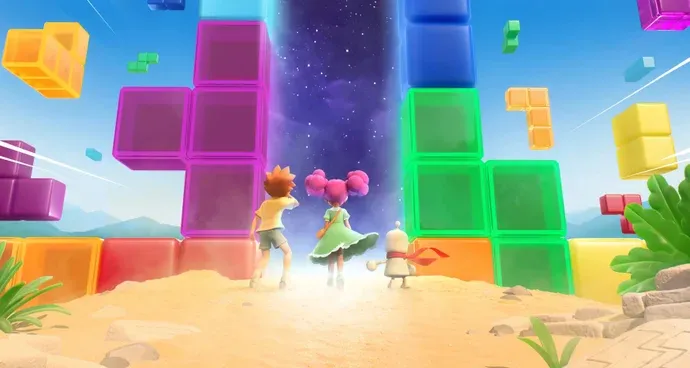
Eurogamer says a new animated series for kids is coming, dedicated to the Tetris game and inspired by its iconic falling blocks. For decision-makers, it signals how brands tied to video games are positioning children’s media to funnel interest toward STEAM education pathways.
A Tetris animated series for kids is on the way, and it is being pitched as more than entertainment. Eurogamer reports the project is “inspired by the iconic falling blocks that have captivated players for generations,” with a stated goal to inspire children to pursue STEAM careers. In plain English, that means STEM subjects (science, technology, engineering, and maths) combined with the arts.
That framing matters because it answers the key question beneath the headline: this is not just a cartoon wearing a game license. The series is explicitly designed as a pipeline for curiosity. By tying the mechanics and familiarity of Tetris to education-adjacent themes, the producers are positioning the brand as an entry point into STEAM, not merely a nostalgic callback for older fans.
To understand why that is interesting for executives, zoom out to the broader kid-education content playbook. Over the last several years, educational publishers, streaming platforms, and toy and media brands have leaned into “learning through making” and “skills through storytelling.” STEAM is a convenient umbrella for that approach because it lets creators claim both rigor and creativity. A kids show can highlight patterns, spatial reasoning, iterative problem solving, and design thinking, even if it is still fundamentally a narrative format. Tetris is a natural fit because the game itself is built on constraints and rapid decision-making, which is the kind of mental workout educators like to translate into kid-friendly lessons.
There is also a business logic here. Video game IP carries built-in engagement, but kids media is a different market with different gates. Developers do not just need viewership; they need trust from parents, alignment with education stakeholders, and content that can travel safely across distribution partners. When a brand like Tetris makes the explicit claim that it aims to inspire STEAM careers, it is trying to clear multiple hurdles at once: it makes the product easier to justify to adult decision-makers, and it gives schools and youth-program influencers a clearer reason to take interest.
On the regulatory and policy front, the “kids learning” positioning is not purely marketing fluff. Many jurisdictions and child-audience standards increasingly expect broadcasters and platforms to consider age-appropriate content, advertising separation, and the overall educational or developmental value when content is aimed at children. Even when the exact compliance requirements vary by region, the direction of travel is similar: content providers want fewer grey areas and more defensible public value. That is part of why STEAM language shows up so often in children’s programming. It gives regulators, platform curators, and partners a framework to evaluate the show beyond “Is it fun?”
There is a second-order implication for boards and investors too: this kind of series can change how companies value IP. Licenses attached to gaming are traditionally judged by consumer nostalgia, monetization of active franchises, or cross-promotional lift. A kids STEAM series adds another valuation lever. It can extend the audience lifecycle, potentially create a longer runway for the brand, and cultivate future players who may not be current gamers today. That is especially relevant if the creator can keep the “iconic” identity while still building new characters, arcs, and educational hooks that stand on their own.
Of course, the strategic risk is also real. The moment you claim educational impact, audiences and partners will expect a coherent reason why. If the show is only branding with no meaningful learning translation, the “STEAM career” pitch becomes a weak promise. But if it successfully uses Tetris’s recognizable problem solving and pattern thinking as the core engine of its stories, it can outperform typical IP spin-offs by giving parents and educators a rationale to recommend it.
For executives watching adjacent moves in entertainment and games, the takeaway is straightforward: IP is migrating from “play” to “development.” Tetris becoming an animated kids series with an explicit STEAM motivation is a sign of where the incentives are bending. If you manage media strategy, education partnerships, or licensing, you should pay attention to how companies translate gameplay into credible, kid-safe narratives. And if you sit on a board, you should ask whether the organization is building defensible pathways into the next generation of users, not just harvesting today’s fandom.
This story's Key Insights and Take-aways are locked.
Create a free account to unlock Executive Actions for one credit.
Register to UnlockAlways free for Executives Club members. Join the Club
More in Entertainment

Russell Brand's accuser 'bewildered and confused' as he denies 7 sex charges
The criminal case against the comedian is a live test of how media companies manage talent risk when serious allegations go public.

'It's a Magic Trick': Ballet Experts Say Rosalía's SNL Pose Is Impossible
Three ballet experts tell Rolling Stone Rosalía's gravity-defying SNL stillness shouldn't be possible - and why the debate is now part of the show.

Activision CMO: GTA 6 Will Boost Call of Duty, Not Bury It
Activision's top marketer says Rockstar's blockbuster will drive players back to consoles and into Modern Warfare 4, even as the company admits its recent strategy failed.