
The Daily Show blamed Graham Platner’s headhunters after Maine exit over rape allegations
Ronny Chieng roasted consultants Daniel Moraff and Leanne Fan for helping elevate a candidate who later unraveled.
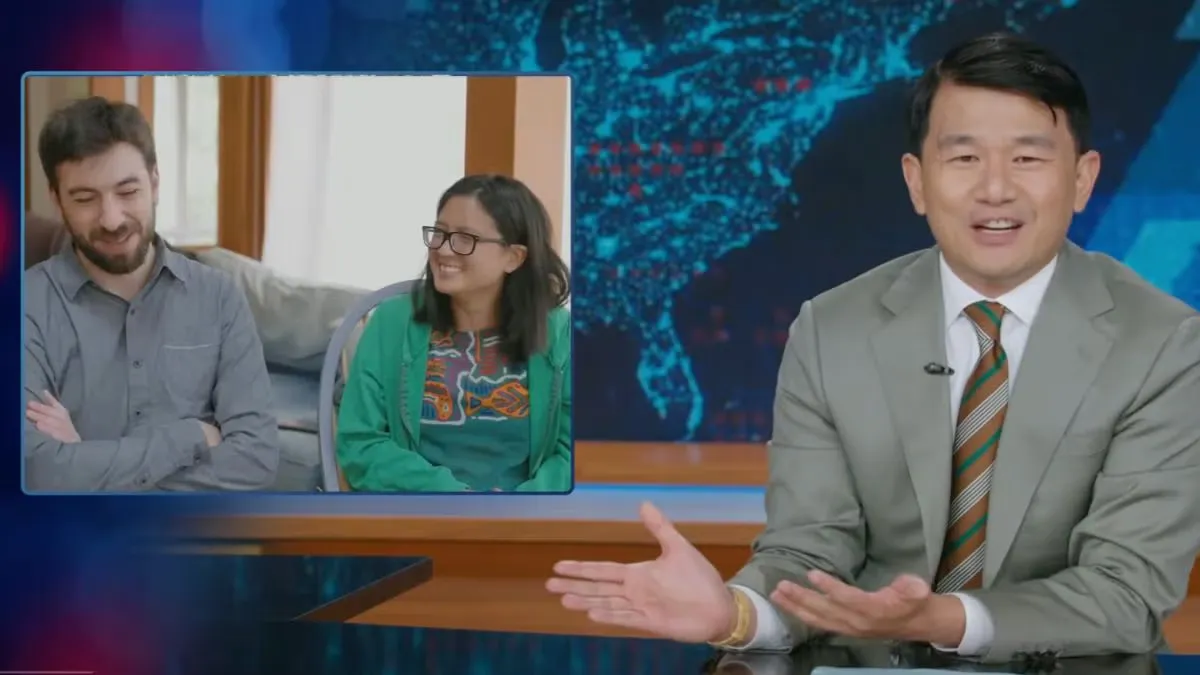
TheWrap reports The Daily Show host Ronny Chieng criticized headhunters Daniel Moraff and Leanne Fan after Graham Platner withdrew from the Maine Senate race following newly reported rape allegations. The consequence is a warning shot for decision-makers about how “professional” vetting can fail when incentives and process break down.
On Thursday, The Daily Show host Ronny Chieng turned his monologue into a public teardown of the people who helped Graham Platner become a Senate contender in Maine. Platner’s withdrawal came after newfound rape allegations, and Chieng used that collapse to go after the headhunters he said were responsible: consultants Daniel Moraff and Leanne Fan.
Chieng framed the whole episode as a question of basic competence. “The question is, how could this happen? How could the people in Maine have picked this guy to run in the first place?” he asked, right after airing news footage about Platner stepping out of the race. Then he made the claim that the television segment wants you to remember: Moraff and Fan had handpicked Platner, even as controversies piled up around him, including a Nazi tattoo, a cheating scandal, and “tons of offensive Reddit posts.”
From there, the monologue leaned into what makes political personnel stories so combustible: the invisible middle. According to TheWrap’s summary of the segment, The Daily Show editors cut to CNN coverage highlighting that Moraff and Fan were consultants for progressive operatives, and that they had selected Platner. Chieng’s point was not just that Platner had problems. It was that the process meant to reduce risk allegedly didn’t catch them in time, leaving the electorate stuck holding the bag once “something bad came up.”
Chieng’s language got sharper when he characterized Moraff and Fan’s behavior during vetting. In interview footage referenced in the report, Moraff and Fan were shown cracking up when asked how they went about vetting Platner. Chieng responded with a line that is essentially a punchy indictment of gatekeeping theater: “How are these people the kingmakers?” In other words, if the people doing selection treat due diligence like a joke, what exactly is being optimized, and for whom?
The monologue then widened the lens to the broader culture war over expertise and process. Chieng said, “This is why we need to stop taking political advice from Dungeons and Dragons.” The joke lands because he compares the vetting process to something fictional and game-like, implying that the headhunters were “excited to find someone who looked like an authentic main man” and failed to do the boring, necessary work of checking what could disqualify a candidate. He even described them as “Napoleon dynamite-looking dorks,” a deliberately unflattering image meant to underline a more serious message: the brand of professionalism does not equal real rigor.
He also took a swipe at Platner himself, especially as it was reported that Platner was trying to help pick his replacement. Chieng told him, “Okay, buddy. You’ve done enough,” and added that it was “not really up to you,” since Platner was “an applicant” and not the person with authority over selection. Chieng used a personal analogy to make the governance point memorable, telling the story of blowing “an interview with Orange Julius” in high school, then not sticking around to tell the manager to hire someone else “as edgy as me.” It is comedy, but it also maps to a real governance principle: once you are out, you do not get to drive the next staffing decision.
Why this matters beyond the jokes is that these are the exact failure modes organizations of every kind try to prevent: selecting based on optics, letting consultants shape outcomes without enough transparency, and treating diligence as optional. Even if your audience is not running a campaign, your board, your product pipeline, or your vendor ecosystem can still fail the same way. A person can look like the right fit, a story can sell well, and then new allegations, conflicts, or embarrassing details can surface fast enough to scramble plans that looked stable yesterday.
There is also a second-order incentive story hiding under the punchlines. Consultants and “progressive operatives” get paid to find candidates and manage narrative risk. If their incentives reward speed, uniqueness, or excitement over verification, the system becomes primed for precisely the kind of crash Chieng describes, where controversies accumulate and due diligence arrives too late. And for decision-makers watching from outside Maine, the takeaway is plain: the cost of a broken selection process is not theoretical. It becomes headlines, partner discomfort, and a political brand that has to rebuild trust from scratch.
This story's Key Insights and Take-aways are locked.
Create a free account to unlock Executive Actions for one credit.
Register to UnlockAlways free for Executives Club members. Join the Club
More in Politics

Glacial collapse, not rain, killed 180 in Nepal's Himalayan flood
The Himalaya's extreme geography hid the true cause of Nepal's catastrophic flood, a glacial collapse that turned a geological battleground into a mass-casualty zone.

Iran’s Esmail Baghaei says Oman talks start shipping via Hormuz, not US talks yet
Temporary route plans with Oman aim to restart commerce while Tehran says Washington dialogue is not on the table.

Standards watchdog opens probe into Reform UK deputy leader Richard Tice over interests
The parliamentary standards commissioner says it began an investigation on 28 July into a possible undeclared interest.