
The shirtless baby on your Windows 95 box is a collector's item
Microsoft's accidental collectibles - from a Tetris sticker to a topless toddler - are hiding in plain sight on old shelves.
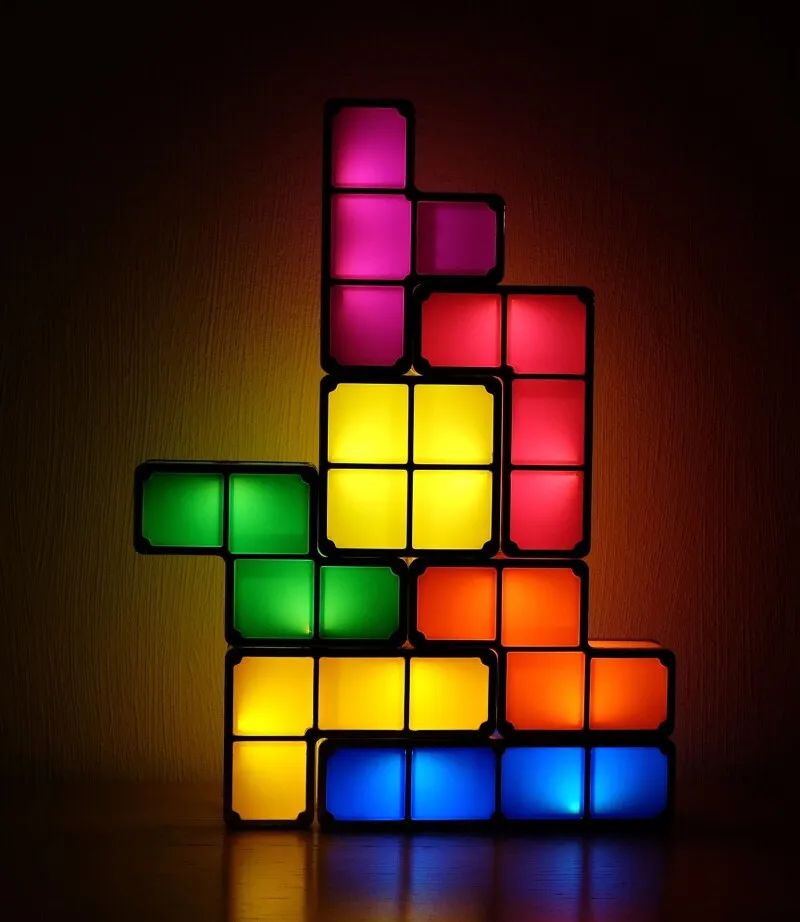
Veteran Microsoft engineer Raymond Chen revealed on his Old New Thing blog that two production quirks - a last-minute Tetris sticker and a shirtless baby hologram - created rare collector's items. For decision-makers, these stories underscore how contingency planning and packaging choices can accidentally create scarcity and value.
If you still have a copy of Windows 95 sitting on a shelf, go check the anti-piracy hologram on the case. If the baby depicted there is not wearing a shirt, you are holding a genuine collector's item, according to veteran Microsoft engineer Raymond Chen. In a post on his long-running Old New Thing blog, Chen explained that the original hologram showed a child pointing at a monitor with the Windows 95 logo - and the child was shirtless, which caused offense in some quarters. Microsoft's solution was a new hologram with the baby in a shirt and overalls, but some original versions still exist. Chen's advice is direct: "If the baby in your hologram isn't wearing a shirt, you have a genuine collector's item."
But the shirtless baby is only half the story. Chen also detailed a far more subtle piece of Microsoft history that could be hiding on your shelf: the Microsoft Entertainment Pack for Windows, specifically the first print run of its box. That version carries a sticker promoting Tetris instead of having the game's branding printed directly on the packaging. The reason, Chen explained, was a timing problem: "At the time the first run of boxes were being printed, the negotiations to license Tetris hadn't yet concluded. There was a chance that the negotiations would fall through, and the Entertainment Pack would have to be released without Tetris." Rather than risk throwing away an entire production run, Microsoft went ahead with the Tetris-less branding and added a sticker once the deal was done. Later print runs made the sticker part of the box art, which is exactly why the original stickered version is now rare.
The Microsoft Entertainment Pack for Windows debuted in 1990, the same year Windows 3.0 launched and began Microsoft's era of desktop dominance. The floppy disks inside included several card games, Minesweeper, and a Windows version of Tetris - the fiendishly addictive and massively popular game of the era. Three more iterations of the Entertainment Pack followed, including FreeCell, before Microsoft pulled the plug in 1992. A Best Of version arrived in 1994, and there was another version for Windows CE later in the 1990s. Chen also noted, with a discreet veil, the ad-festooned version currently in the Microsoft Store.
These two stories are more than trivia. They illustrate how production decisions made under uncertainty can create unintended scarcity. In the Tetris case, Microsoft's risk management - printing boxes without a final license and using a sticker as a contingency - turned a mundane packaging choice into a collector's item. The Windows 95 hologram is a different kind of accident: a design that sparked offense, a quick fix, and a small batch of originals that survived. Both cases show that value can emerge from the most unexpected corners of a product's lifecycle.
For executives, the lessons are practical. First, document every production change, no matter how small. The sticker and the hologram are now historical artifacts precisely because someone can trace their origins. Second, think about the second-order effects of contingency plans. A sticker was a stopgap, but it created a distinct version that collectors now seek. Third, consider the cultural and emotional resonance of your products. The shirtless baby became a talking point because it touched a nerve - and that nerve is now part of the product's lore.
The collectibles market for vintage software and hardware has grown steadily, driven by nostalgia and the rise of retro computing. While the source does not put a dollar figure on these items, the rarity of the stickered Entertainment Pack and the shirtless-baby Windows 95 hologram makes them prime candidates for collectors who value the quirks of tech history. For a generation that grew up with Windows 3.0 and Windows 95, these boxes are not just old software - they are time capsules.
So before you recycle that old box or toss that dusty CD case, take a closer look. You might be sitting on a piece of Microsoft history that Raymond Chen himself would appreciate. And if you are a founder or operator, remember that the decisions you make under deadline - the stickers, the quick fixes, the workarounds - can become the stories that define your product's legacy. Sometimes the most valuable thing you produce is the accident you never planned.
This story's Key Insights and Take-aways are locked.
Create a free account to unlock Executive Actions for one credit.
Register to UnlockAlways free for Executives Club members. Join the Club
More in Technology

doubleAI's Maxwell rewrites code while it runs, claims 38x speedups
The Tel Aviv startup's code execution model formally verifies optimizations, turning AI into an agent for the hardware itself.
Saudi military official paid to fly OpenAI bugging suspect's family out, prosecutors say
A court filing says a Saudi military official funded the family's exit and Riyadh offered bail, putting foreign-influence risk squarely on AI boards.
AI researcher's 26,000-word claim: Neural nets aren't tangled after all
Nick Cammarata's Goodfire post has the AI world split - if he's right, monitoring frontier models just got a lot easier.