
TikTok country cover-to-hit: Stella Lefty’s “Boston” proves geography is optional
A 23-year-old TikTok creator turned mainstream breakout, challenging the old “you have to be Southern” rules.
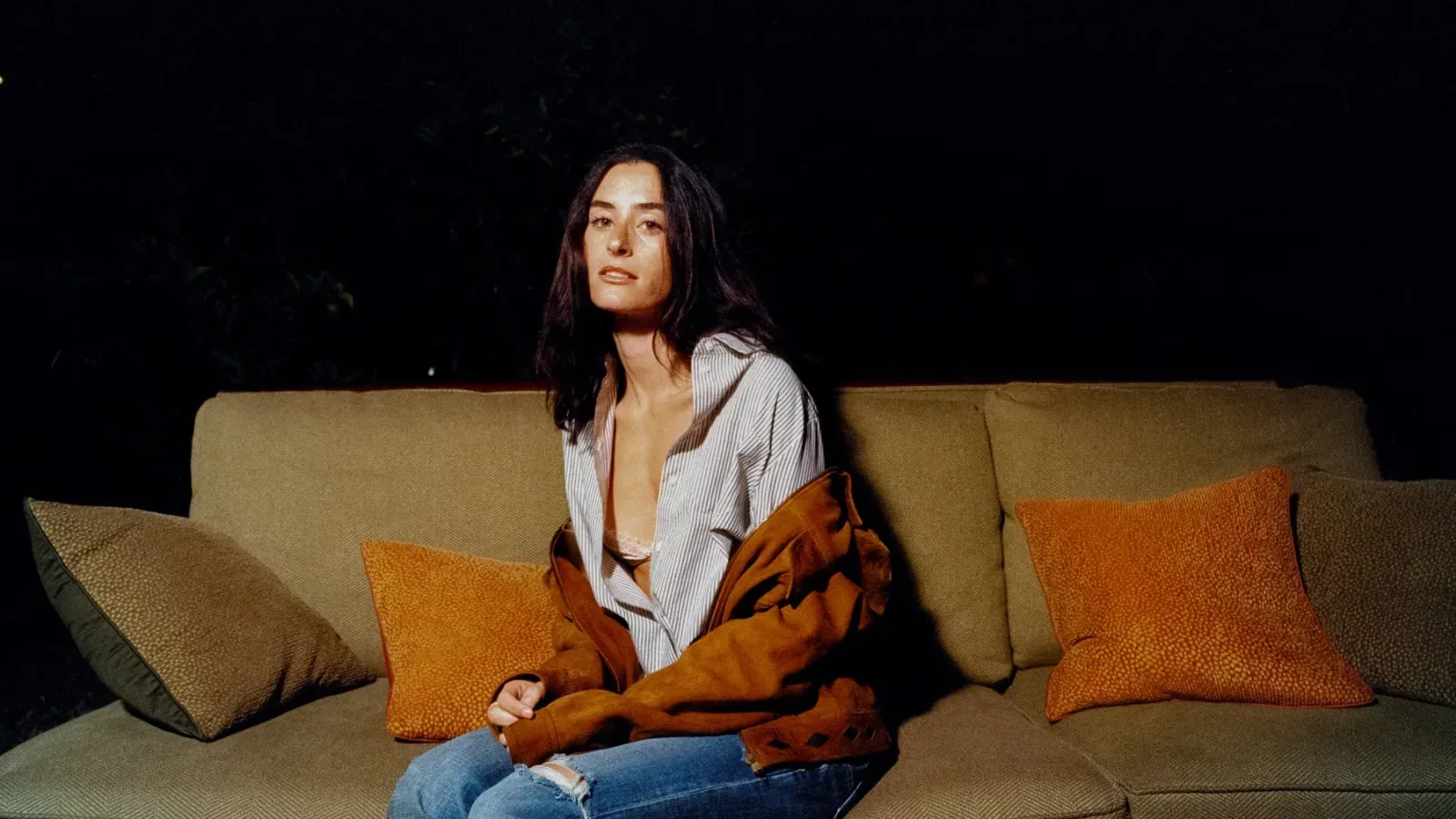
Stella Lefty, 23, built her audience covering Noah Kahan on TikTok and has now landed one of the year’s biggest songs with “Boston.” For decision-makers, the breakout is a case study in how distribution shifts can rewrite genre gatekeeping.
Stella Lefty used TikTok to cover Noah Kahan. Now she has one of the year’s biggest songs, “Boston,” and the biggest surprise is not the platform, it is the permission structure.
In the Rolling Stone piece, Lefty is explicit about what she feared: “I love country music more than anything,” she says. “But I’m not Southern. I always worried, ‘Do I have to be?’” That worry is the spine of the story. It is also a signal to anyone making bets on culture: the barriers people expect are often social, not structural, and they can fall faster than the industry’s instincts.
For context, “country” has long carried an unspoken checklist of authenticity markers, especially around place. Historically, that mattered because gatekeepers controlled access: radio programmers, label marketing teams, playlist editors, and, before that, venues and TV. The modern music economy has changed the pathway to attention. TikTok is not a replacement for every gatekeeper, but it can outflank them by letting listeners discover songs first and then force the rest of the system to notice. If a track gets traction from the bottom up, the top has to respond or look out of touch.
Lefty’s journey also highlights how creators build legitimacy without waiting for traditional certification. She started by covering Noah Kahan on TikTok. Covers do more than fill time. They show taste, vocal range, and a creator’s interpretive instincts, all while giving viewers an easy entry point. That matters because “Boston” is not presented as a random leap. It is the next step after audiences already associated Lefty with emotionally resonant songwriting and performance.
Now comes the real tension: country fans and country business both talk about authenticity. Lefty’s quoted anxiety, “Do I have to be?” is the lived version of an industry question. It asks whether genre identity is something you are born into, move into, or perform. When someone with Lefty’s position, age, and background can reach mainstream breakout without the expected geographic stamp, the old framing looks less like “tradition” and more like gatekeeping.
There is also a business lesson hidden inside the personal one. Streaming-era economics reward retention and replay, not simply pedigree. TikTok-era economics add another layer: songs can become “events” because the audience does the promotion through shares, stitched videos, duets, and algorithmic reinforcement. Even when the final breakout happens elsewhere, the initial momentum often starts on social platforms where communities form around feeling first and labeling later.
So what are the second-order implications for executives, boards, and anyone funding artists or content?
First, you should assume that genre boundaries are more permeable than they look. Lefty’s quote suggests she worried she lacked a key credential. The fact that “Boston” is landing as one of the year’s biggest songs implies the credential was not required in practice. That changes how talent teams evaluate risk. If authenticity concerns are social, you can mitigate them with community alignment and audience proof rather than trying to engineer biography into marketing.
Second, distribution strategy becomes a creative constraint. When a creator can build demand directly, labels and publishers face faster feedback loops. They may still want brand coherence, but they cannot delay attention until they finish internal debates. The audience moves at internet speed.
Third, board-level conversations about “who the market is” need to be less abstract. Lefty’s story is not only about one song. It is about a reader or listener who hears country and thinks, “Maybe this is for me too.” That is the kind of narrative shift that can expand TAM without changing the product.
Finally, the strategic stake is simple: if you are an operator, investor, or executive in music or adjacent media, you need to be ready for the old gatekeeping to lose influence. Lefty’s “Boston” is the punchline, but her earlier fear is the setup. The story says, in plain terms, that you can love country music without being Southern. And once the audience agrees, the market will follow, whether the industry’s traditional checklists catch up in time or not.
This story's Key Insights and Take-aways are locked.
Create a free account to unlock Executive Actions for one credit.
Register to UnlockAlways free for Executives Club members. Join the Club
More in Entertainment

Russell Brand's accuser 'bewildered and confused' as he denies 7 sex charges
The criminal case against the comedian is a live test of how media companies manage talent risk when serious allegations go public.

'It's a Magic Trick': Ballet Experts Say Rosalía's SNL Pose Is Impossible
Three ballet experts tell Rolling Stone Rosalía's gravity-defying SNL stillness shouldn't be possible - and why the debate is now part of the show.

Activision CMO: GTA 6 Will Boost Call of Duty, Not Bury It
Activision's top marketer says Rockstar's blockbuster will drive players back to consoles and into Modern Warfare 4, even as the company admits its recent strategy failed.