
Tim Sweeney says Steam fees push Epic, Riot, and HoYoverse to go alone
He argues lower fees and more openness could raise Steam profit, but fans point to HoYoverse’s active Steam run.
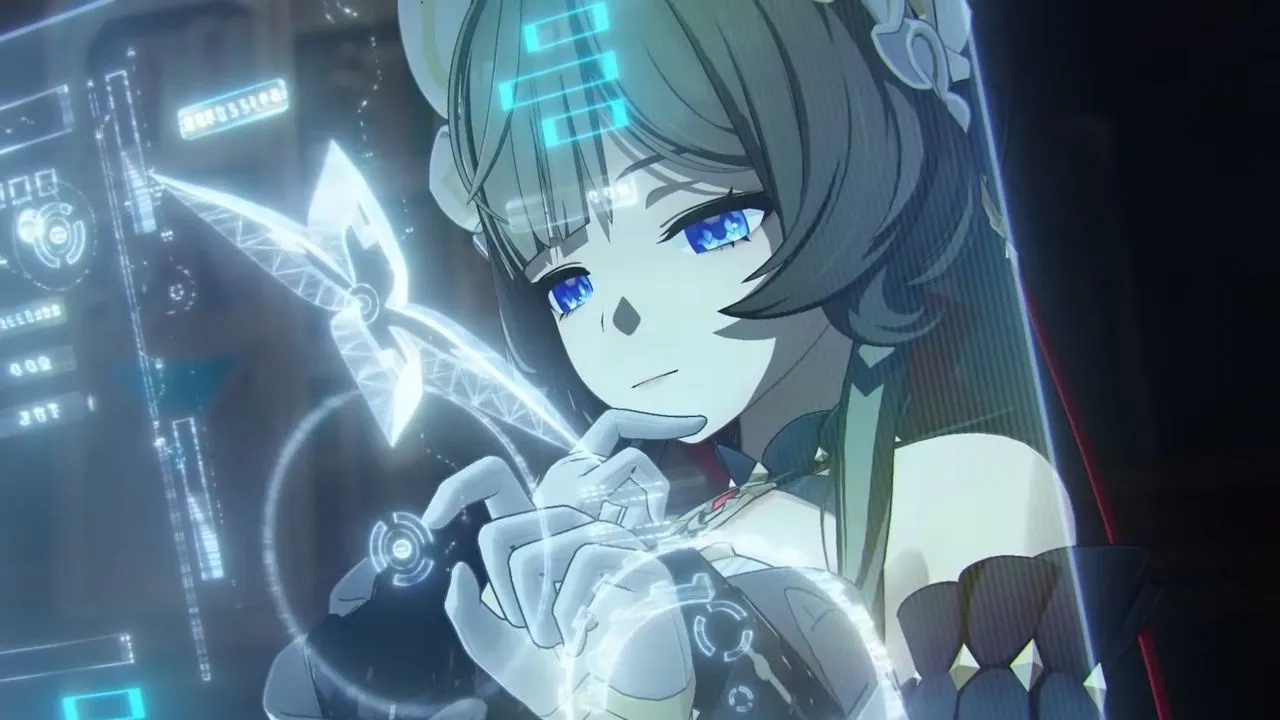
Epic Games CEO Tim Sweeney claimed that Steam's high fees make developers with big audiences
Epic Games CEO Tim Sweeney is back in the fight over platform economics. Responding to a sarcastic user, he said developers with strong brands and big enough audiences, like Epic, Riot, and MiHoYo, “find it more profitable to go it alone” because “Steam charges such high fees.” He also added the spicy follow-up: “Ironically, lower fees and more openness might increase Steam profit.”
If that sounds like a clean narrative, fans immediately undercut it with a reality check: MiHoYo, now more commonly known by its HoYoverse or Cognosphere arms, has multiple games on Steam. The community note that accompanied Sweeney’s post pointed out that HoYoverse has had games on Steam since the 2021 relaunch of Honkai Impact 3rd, and just weeks ago it released its action RPG Zenless Zone Zero on Steam, with “great success and reviews.” So the question is not whether Steam can be part of a successful PC strategy. It is why a company like HoYoverse would ever leave the platform out of the conversation for long stretches, and whether Sweeney’s “fees versus reach” logic fully explains the timing.
To understand why this debate is more than Twitter noise, you have to look at what Sweeney is actually doing. He is not merely complaining. He is arguing for a policy tradeoff: reduce fees, increase openness, and Steam’s overall profit might rise. That is a meaningful claim because it flips the typical assumption that platform fees are a one-way lever. If Steam’s pricing and rules suppress certain publishers, the missed “opportunity” cost might outweigh the fee revenue. In other words, the fee headline is really a proxy for something bigger: platform governance.
This is where HoYoverse’s Steam timeline matters. Zenless Zone Zero came to Steam alongside the release of its big 3.0 update, described as a major season-like milestone. Meanwhile, Genshin Impact is “six weeks away from” a similar milestone, update 7.0, which would provide a natural anchor for a Steam release. The article also notes that speculation is swirling that HoYoverse might push to reach more players with Genshin’s current regional storyline ending chapter, starting with the Snezhnaya area in update 7.0. That would mean using a familiar content cadence to re-enter or expand Steam distribution, rather than treating the platform like a one-off experiment.
But there is a second, quieter possibility: maybe the “Steam version of Genshin Impact” isn’t imminent at all. New files spotted in the HoYoverse launcher suggest a Steam version may be on the way, but the article flags that it could also be a consequence of shared code, not a definitive sign of future changes. From an executive perspective, this is a key reminder about how platform decisions get interpreted. The market wants certainty. The best you can get is signals, and those signals can be ambiguous.
Now zoom in on why Zenless Zone Zero may have been the beachhead. The piece emphasizes that Zenless Zone Zero is the smallest of the modern HoYoverse games, trailing Genshin Impact and Honkai: Star Rail in virtually all known metrics. If you are a publisher testing whether Steam mechanics will cooperate with your model, you often do it with the product that has the most room to prove itself. Also, Zenless allowed account linking, which matters because it lowers switching friction. Existing players could move into the Steam ecosystem while bringing their accounts and potential purchases with them.
Finally, Sweeney’s broader point about store economics intersects with something concrete: where HoYoverse earns and how it allocates players across storefronts. The article notes that Genshin Impact and Honkai: Star Rail are available on the Epic Games Store, which takes a smaller cut of sales than Steam. It also points out that HoYoverse made a big show of its Epic partnership back in 2021, and the terms of that partnership are unclear. The source adds that Epic’s latest annual report lists Wuthering Waves, Honkai: Star Rail, and Genshin Impact as, in that order, among Epic’s top five “Mythic” PC games. Zenless Zone Zero sits in Epic’s “Legendary” tier alongside Grand Theft Auto 5, Infinity Nikki, Dead by Daylight, and EA Sports FC 26.
Still, Sweeney’s own logic raises a lingering executive question: if fee percentages and storefront rules drive strategy, why did HoYoverse skip Steam longer than its Epic presence suggests? The article offers one piece of context: the Epic Games Store attracts a small portion of the PC audience, and only 16 to 18% of users brought in by free games actually buy games on the store afterward. In other words, HoYoverse almost certainly ran the math on what it gained from additional players, including the cost of migrating users and third-party fees. That pushes the debate away from “fees alone” and toward a more complex mix of reach, conversion, user friction, timing of content milestones, and partnership terms.
Zoom out and you see why peers should care. When Epic’s CEO challenges Steam’s fee structure publicly, it is not just positioning. It is a bargaining posture aimed at developers, investors, and platform operators watching every move. And if platform rules can influence where big franchises land, board-level decisions about distribution, partnership structure, and go-to-market sequencing become less about ideology and more about unit economics and ecosystem leverage. Today’s takeaway for decision-makers: you need to model not just the fee rate, but how platform incentives shape which game gets shipped where, and when, and why.
This story's Key Insights and Take-aways are locked.
Create a free account to unlock Executive Actions for one credit.
Register to UnlockAlways free for Executives Club members. Join the Club
More in Business
Comcast shares jump 25% as it plans to split NBCUniversal and Sky
The tax-free spin-off could reshape focus, funding, and competition across media and tech for years.

Bungie cuts most Destiny 2 staff as Sony says Marathon still matters
Herman Hulst confirms layoffs affecting most Destiny and some Marathon teams after Bungie admits Destiny fell short.

SK Hynix jumps 11% after seeking up to $29.4B in Nasdaq listing
The chip giant filed for a Nasdaq listing plan that could raise $29.4 billion, instantly reshaping investor expectations.