
TinyBuild hits 300,000 Sand sales after rollback fixes connection issues fast
Alex Nichiporchik celebrates 300K copies as Sand: Raiders of Sophie’s July 2 update gets redeployed.
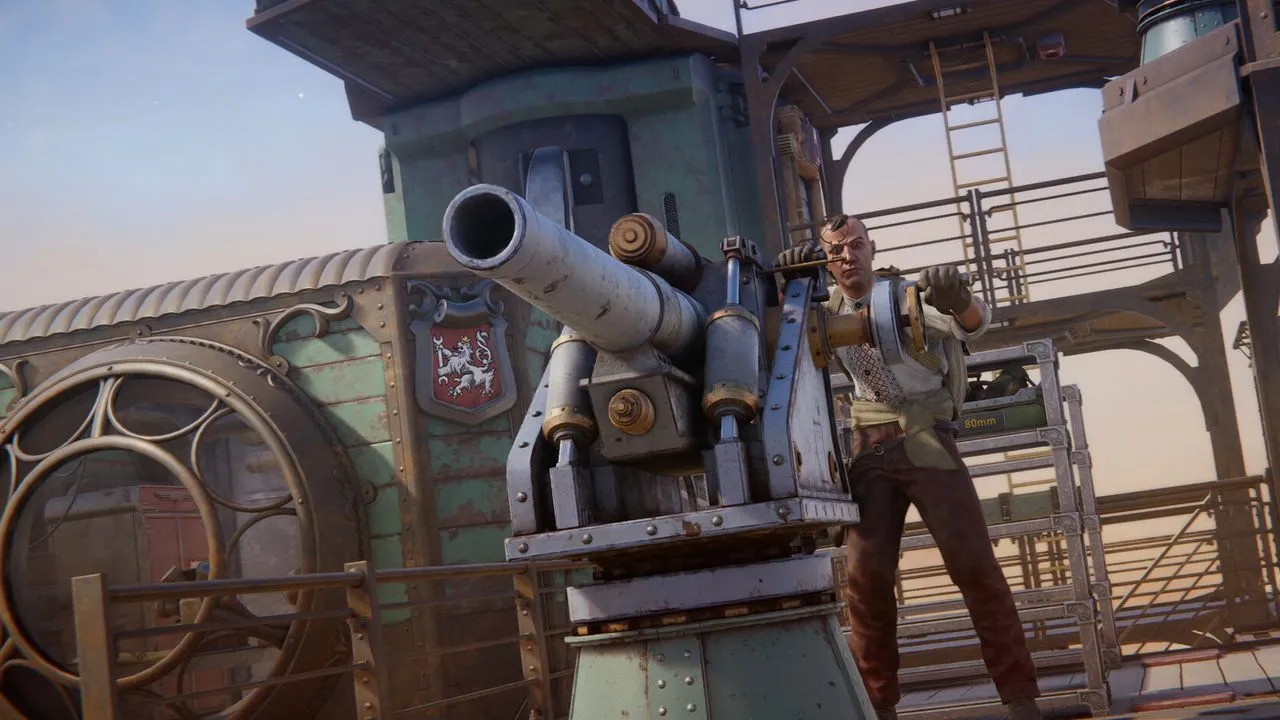
TinyBuild CEO Alex Nichiporchik says Sand: Raiders of Sophie has sold 300,000 copies after the team rolled back and then re-released an update that initially caused connection problems. The quick remediation pushed the game to a new Steam high of just over 40,000 concurrent players, underscoring how rapid ops can turn a botched patch into a growth lever.
TinyBuild CEO Alex Nichiporchik posted that Sand: Raiders of Sophie has sold 300K copies, and he celebrated it with the X line: “We getting a half hour of air conditioning tonight!” It is the kind of developer-victory headline executives should actually care about, because it is tied to a very specific operational event: a July 2 update that had to be rolled back after it triggered connection problems, followed by a redeploy that went live again.
The stakes are straightforward. Sand launched in early access a couple weeks ago, and after the second update went out on June 2, it caused connection problems that forced the developers to pull the plug. The July 2 incident repeated the same genre of risk, but the difference now is speed and recovery. Developers resolved the issue fairly quickly, re-released the update, and that re-rollout coincided with player momentum. Sand reached its highest concurrent player count yet on Steam at just over 40,000, enough to land in the middle of Steam’s 100 most played chart, between Farming Simulator 25 and Helldivers 2.
Now, 40,000 concurrent players is not six-figure scale. But there is a real caveat baked into the operating model: Sand is not free to play. At $20 per copy with a launch discount, 300K copies translates into a meaningful chunk of revenue, even before you think about long-tail sales, expansions, or future discounts. For anyone running a game business, subscriptions, or any product with a paid entry, this is the reminder that distribution and trust are operating assets. When a patch knocks out connectivity, it hurts both playtime and buyer confidence. When you fix it and get back online quickly, you can actually convert that trust into more engagement.
If you are an operator, the patch notes read like a checklist of exactly how online resilience and moment-to-moment play can break in the same release train. The update explicitly includes: fixing an issue that caused servers to become unavailable and players getting stuck on the “Connecting” screen, reverting the yesterday’s update because of that issue, and improving BattlEye behavior to decrease false-positive bans. That last part matters more than most people think. False positives can quietly shrink player pools even when servers are technically up, because players churn rather than complain loudly.
The same changelist also targets performance and feel. Occlusion changes are intended to have a minor positive effect on game performance. There are additional improvements to character movement, trampler collisions, reduced shakes and glitches during trampler collisions, and several fixes for cases where players could end up flying in the air or where trampler parts could be invisible but still interactable. The patch notes also address quality-of-life frictions: oversaturated boxes and props in the lobby, flickering names on the landing cutscene, improved hit registration, and additional fixes around respawns and expedition end conditions that could incorrectly end an expedition while teammates were still alive.
The balance and economy updates show another layer of why this is an “executive briefing” story, not just a patch log. Recoil for 80mm cannons increased, T3 80mm cannon reload time went from 2.5 to 3 seconds, and multiple ammo parameters were adjusted, including recoil behavior, range changes (150m/s to 200m/s and 100m/s to 150m/s), and projectile count updates (70mm regular ammo 42 to 52) alongside a 20% siege damage decrease per pellet (30 to 25). Fire rate of the Triple Barrel shotgun decreased by 30%. Even the loot and sell prices were tuned: energy rod selling price on contract platforms from 450 to 50, Canned Sea Deer XL sell price from 100 to 500, MedKit sell price from 50 to 20, and small valuables and valuables by one crown (3 to 4, 6 to 7). In other words, the team is using redeployment time not only to stabilize but to reshape engagement loops.
There is also a clear systems mindset around input controls, exploit prevention, and matchmaking persistence. The patch includes a fix so grenade pins no longer get pulled automatically in Outlaw controls, improved Upiors behavior with collision with the player and more responsive movement, and it fixes exploits where items could be duplicated. It also addresses a cluster of progression and session problems: matchmaking preferences not saved between expeditions, incorrect crew sizes shown during loading, Toggle and Combine Sprint settings not working as intended, and issues where players could access compartments by sliding on ladder entrances. For leadership, the second-order effect is that a stable live game reduces the cost of support and refunds, while a resilient live game increases the conversion of returning players into habitual users.
No one is calling this “compliance” in the way regulators track, but there is still a governance angle. BattlEye false-positive reduction is effectively a risk control against wrongful bans that can have reputational and customer-loss consequences. And known issues remain, including a character can get stuck at the top of the ladder, spectator mode can make the character transparent in some cases, and a character cannot crouch while carrying the Repair Kit. Translation for executives: even after a successful rollback and redeploy, the operational job is not finished. The win is that the team got back to a growth curve quickly, hitting just over 40,000 concurrent players and celebrating 300K copies sold.
For boards and investors evaluating similar launches, the takeaway is not “patch faster” as a slogan. It is that the operational response to a connectivity failure can be a leading indicator of commercial resilience. Sand’s situation demonstrates how rapid remediation, disciplined rollback/redeploy discipline, and targeted fixes across servers, anti-cheat, gameplay feel, and economy can help a paid game recover momentum. In a market where player time is scarce and churn is instant, the ability to turn a broken update into a stable, improved one can protect revenue and create a narrative worth believing.
This story's Key Insights and Take-aways are locked.
Create a free account to unlock Executive Actions for one credit.
Register to UnlockAlways free for Executives Club members. Join the Club
More in Business

Comcast shares jump 25% as it plans to split NBCUniversal and Sky
The tax-free spin-off could reshape focus, funding, and competition across media and tech for years.

Bungie cuts most Destiny 2 staff as Sony says Marathon still matters
Herman Hulst confirms layoffs affecting most Destiny and some Marathon teams after Bungie admits Destiny fell short.

SK Hynix jumps 11% after seeking up to $29.4B in Nasdaq listing
The chip giant filed for a Nasdaq listing plan that could raise $29.4 billion, instantly reshaping investor expectations.