
Tokyo commercial land prices hit 33-year high as remote work fades
The return-to-office push is reshaping Tokyo's property market - here's what soaring land values mean for tenants, owners, and investors.

Tokyo's commercial land prices have climbed to a 33-year high as remote work ebbs, according to Nikkei Asia. For decision-makers, this signals a landlord's market, higher occupancy costs, and a strategic reset for corporate real estate.
Tokyo's commercial land prices have jumped to a 33-year high, according to Nikkei Asia, as remote work ebbs and companies pull employees back into central office districts. The milestone marks a decisive reversal from the pandemic era, when lockdowns emptied offices and sent land values sliding. For anyone negotiating office space in Japan's capital, the number changes the conversation: landlords have regained the upper hand, and the cost of doing business in Tokyo is about to get more expensive.
The surge is not a blip. It reflects a structural shift in how Japanese firms are using commercial real estate. After years of hybrid experiments, many companies are requiring more in-person days, and the land market is responding exactly as supply and demand dictates. When remote work was entrenched, vacancy rates climbed and prices fell; now that the ebb has set in, competition for prime addresses has intensified. The 33-year high confirms that Tokyo's business districts are no longer pricing in a work-from-home future - they are pricing in a return to the office.
To understand the scale, consider Japan's long real estate winter. After the asset bubble burst in the early 1990s, commercial land values in Tokyo spent more than three decades in decline or stagnation. A 33-year high means prices have finally recovered all the ground lost during that period. The climb has been driven by low interest rates, a weak yen that attracts foreign investors, and corporate profits that have made tenants willing to commit to premium square footage. Add the recent push for in-person collaboration, and the upward pressure becomes a flood.
For executives, the immediate stakes are concrete. Lease renewals in central Tokyo will likely come at significantly higher rates, and that hits everything from startups to global banks. A founder mapping out next year's burn rate has to account for office costs that may rise faster than revenue. A CFO rebalancing a real estate portfolio must decide whether to lock in space now or gamble on a future correction. Office location is also a talent magnet and a retention signal: if land values are climbing because companies are insisting on in-person work, then skipping the office could mean losing the collaboration edge. The land-price signal suggests the market believes the office is not just back, but entrenched.
There are broader second-order effects worth watching. Higher commercial land values typically flow through to property taxes, retail rents, and construction costs, which can ripple into the price of goods and services across the city. They also reshape the geography of business: smaller firms may push to the fringes, while large banks and tech giants bid harder for central addresses. The result could be a two-tier Tokyo, where access to prime office space becomes a competitive advantage reserved for the best-capitalized players.
Regulators may also take notice. Japan's national land survey, released annually, tracks price movements across the country, and a 33-year high in commercial land could invite scrutiny from the government or the Bank of Japan. No one wants a repeat of the bubble era, when real estate speculation ended in a lost decade. But for now, the current price rise appears tied to real demand from employers, not speculative excess - a distinction that matters for how policymakers respond.
The Tokyo story also carries lessons for the rest of the world. If remote work ebbing in one of the world's most advanced economies can send commercial land prices to a 33-year high, other major cities may be next. Employers from London to New York are also pushing for more office time, and their property markets are watching. For investors with global portfolios, Tokyo may be a leading indicator - not an outlier - of how the post-pandemic workplace is being valued.
None of this means remote work has vanished. Many companies still offer flexible schedules, and suburban markets are holding their own. But the Tokyo number is unambiguous: commercial real estate in the city has decisively priced in the return to the office. For decision-makers, the strategic takeaway is simple: if you are waiting for office prices to drop, you are betting against the trend. The 33-year high says the office is back, and it will cost you.
This story's Key Insights and Take-aways are locked.
Create a free account to unlock Executive Actions for one credit.
Register to UnlockAlways free for Executives Club members. Join the Club
More in Business

Paramount's Ellison: Merger Clearance Done, WBD Deal by Oct 1
David Ellison says the Paramount-WBD merger has full clearance after settling with state AGs, clearing the path for an October 1 close.
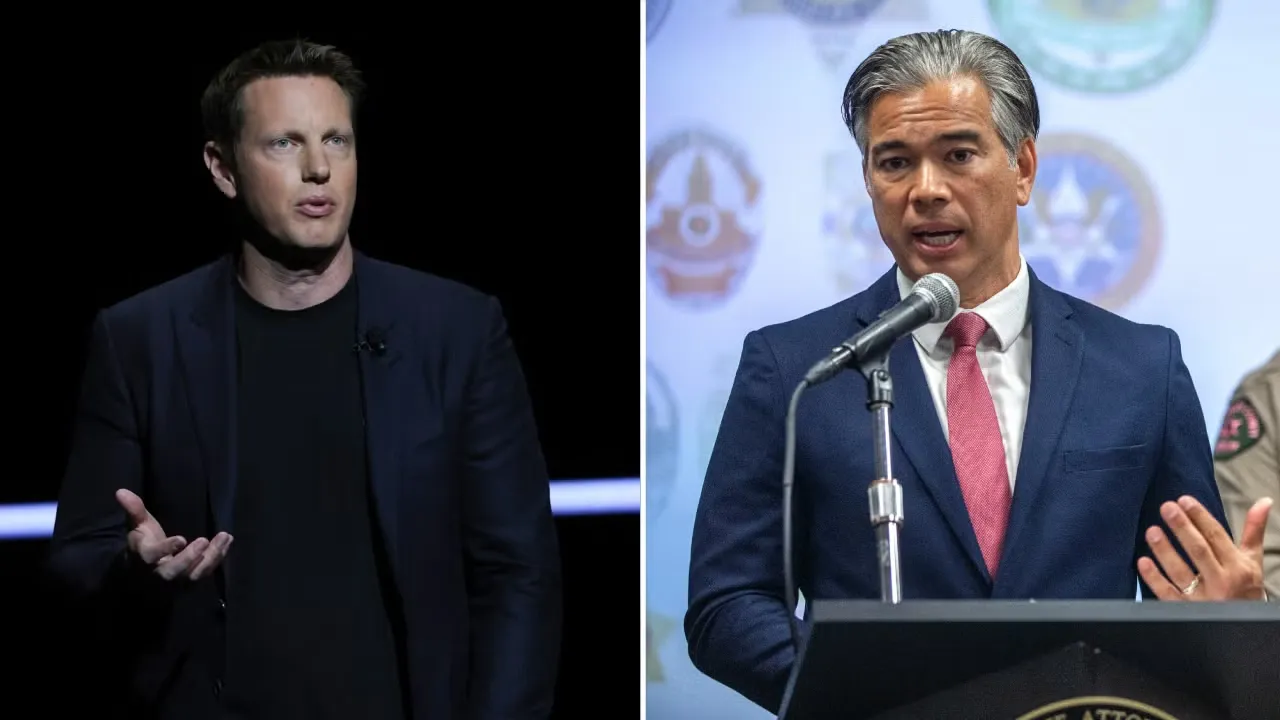
Paramount settles with 12 states, $110B Warner merger clears final hurdle
David Ellison's studio avoids a March trial and a $7M-a-day ticking fee by settling with state AGs over local job losses.

Apple unveils first foldable iPhone Duo with 7.6-inch display under new CEO Ternus
Apple's first foldable, the iPhone Duo, marks a major product bet for new CEO John Ternus, with a 7.6-inch unfolded screen.