

Tom Lee blames “push-button liquidity” for margin chaos, says AI stocks bounce later
A China model rattled hyperscalers. Fundstrat’s Tom Lee says leverage is the real accelerant, not the end of AI.
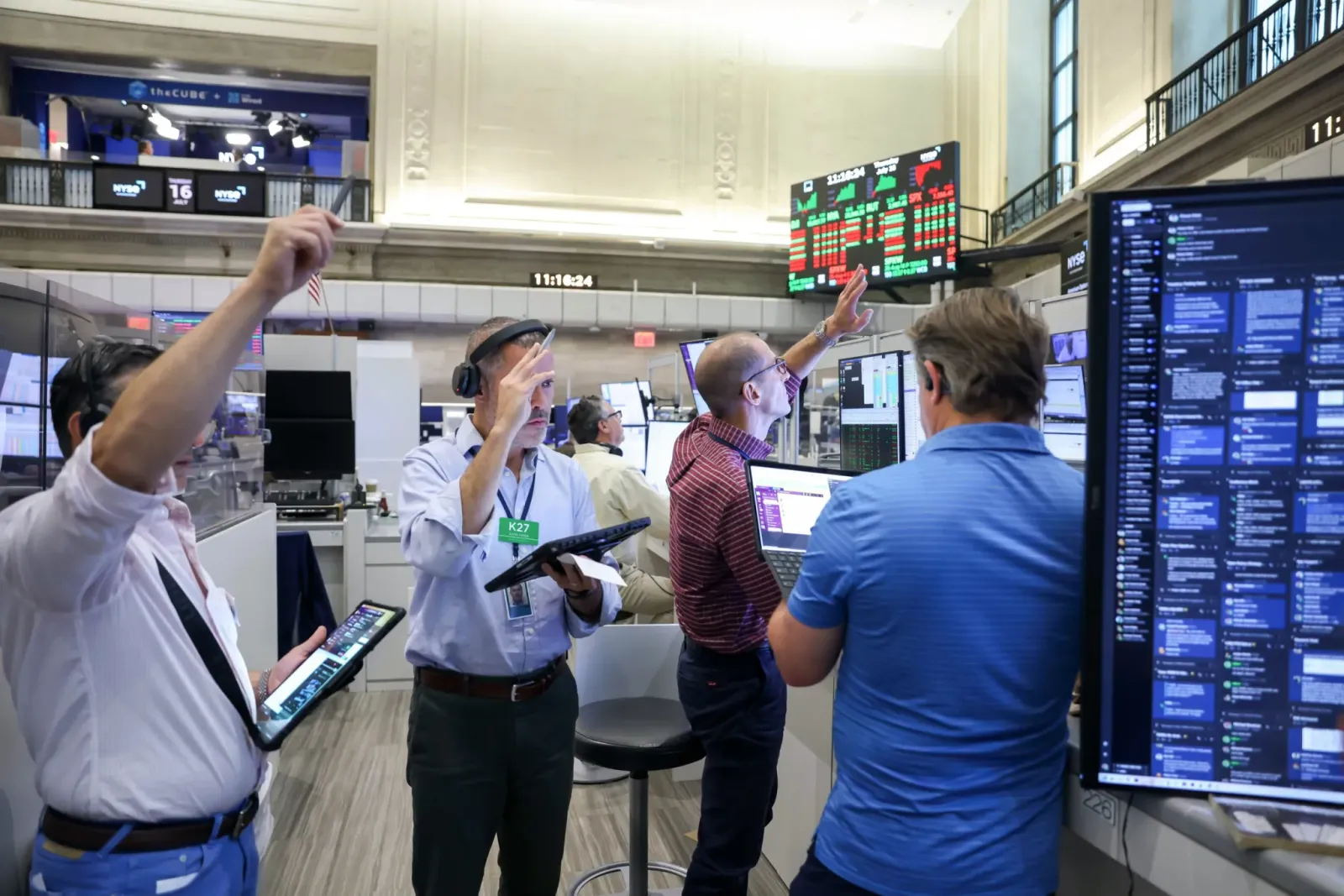
Fundstrat Global Advisors cofounder Tom Lee told CNBC that recent stock damage, including AI-led selloffs, is driven by leverage and “push-button liquidity.” He argues the AI trade is not over, even as margin calls in places like South Korea ripple into global markets.
Stocks have been getting torched, but Tom Lee’s core claim is blunt: the selloff is amplified by leverage and fast-moving trading mechanics, and the AI winners will likely recover. In a Friday interview on CNBC, Fundstrat Global Advisors cofounder Tom Lee argued that the market’s pullback is “healthy” and that the names being sold off will “bounce later this year,” adding, “I don't think that the trade is over.”
What kicked things off was fresh AI hype hitting the market with a dose of doubt. The release of a Chinese AI model cast uncertainty on hyperscalers’ gargantuan spending plans, and that worry landed hardest on chip stocks. The result: the S&P 500 fell 1.6% for the week and the Nasdaq dropped 2.9%. Lee said investors dumping “one-time darlings of the AI trade” are looking at something that is still central to a massive U.S. strategic initiative, namely AI, and he believes companies in that orbit still have years of runway.
Here is where Lee thinks the story gets more interesting, and more dangerous: volatility is being supercharged by leverage. He said the ubiquity of leverage in today’s market is fueling more swings, calling zero-day trading options and leveraged funds “push-button liquidity for everybody.” It sounds like an abstract market metaphor, but the mechanics matter. Lee estimated that margin debt is up 54% annually, describing it as the sixth biggest surge in the last 60 years. In his framing, those surges do not just create speculative momentum. They also create a reflex when prices drop.
When leverage gets yanked, corrections stop being “trading” and start becoming forced selling. Lee pointed to South Korea as a real-world stress test of what happens when investors can borrow to chase upside. SK Hynix and Samsung have ridden the AI wave, and frenetic demand for ways to capture gains led to leveraged ETFs that further stoked the local market rally. But the boom has reversed. The Kospi index has plunged 27% after a record high last month, putting it into bear market territory. Lee estimated that 1.2 million brokerage accounts faced a margin call, representing as much as 10% of accounts, and traders were forced to sell holdings to cover margin debt. That triggered a massive correction, which then sent ripples through global markets that are particularly sensitive to moves in AI bellwethers.
Lee tied this contagion to examples from the AI complex itself. He referenced SK Hynix’s comments last month that it planned to slow down its AI memory business. According to Lee, those remarks sparked the Kospi’s fifth worst daily plunge and dragged down indexes around the world. Importantly, he contrasts the magnitude of that drawdown with what the U.S. indexes have done. Versus the Kospi’s 27% crash, the S&P 500’s 2% dip from its recent high and the Nasdaq’s 6% slide look, in his view, like “speed bumps.” Lee interprets that as constructive rather than catastrophic, arguing that what’s unfolding is a rolling correction, not the whole market collapsing.
His explanation is basically: when the damage is concentrated in pockets, investors can find ballast elsewhere. Lee said the “rolling correction” is “super healthy” because it is not the entire market coming down; it is “just pockets of it,” and investors have ballast like owning the Mag 7 or software stocks. Even so, the market’s relationship with AI is not only about stocks. Bond investors, who can be less swayed by market fads than stock investors, have shown less enthusiasm for the AI boom.
According to Lee’s discussion, hyperscalers have been increasingly issuing debt to fund AI infrastructure, as they spend hundreds of billions of dollars a year building data centers and other infrastructure. But he highlighted a bond-market signal from Apollo Global’s chief economists, Torsten Slok. In a note on Wednesday, Slok pointed out hyperscalers’ cover ratio, defined as investor orders per every dollar of bonds, has plunged. It was nearly 5x in February 2026, but it tumbled to below 2x in July, which Slok warned “suggesting investors may need wider spreads to absorb additional hyperscaler supply.” Slok contrasted that with investment grade bonds overall, which only slipped by about half a point over the same span.
If you are an executive, the bond-market piece matters because it affects cost of capital and financing options for the same AI players your equity portfolio depends on. The dollar bond market, described as the world’s largest, has become saturated enough that tech giants are issuing debt in other currencies. The implication, per the source, is that issuers may have to provide more attractive terms, meaning borrowing costs rise. The story also places that AI-related debt in competition with Treasury supply, since the federal deficit is deepening and is on track to hit $2 trillion this fiscal year. In a Tuesday note, JPMorgan strategists wrote that “The current hyperscaler widening is a byproduct of the high-grade investor community trying to rationally price in an accelerating pace of issuance.”
Put together, Lee’s thesis is a multi-front stress test: AI stocks may be reacting to narrative shocks like a new Chinese model, but the actual trading damage is being magnified by leverage, and the funding picture is being complicated by bond-market dynamics. For boards, CFOs, and anyone responsible for risk and capital planning, the key question is not only whether AI remains strategically important. It is whether leverage-driven volatility can force decisions before fundamental timelines play out, and whether higher borrowing costs in AI financing could change the pace or shape of spending that equities are underwriting.
This story's Key Insights and Take-aways are locked.
Create a free account to unlock Executive Actions for one credit.
Register to UnlockAlways free for Executives Club members. Join the Club
More in Business

Uber buys Delivery Hero for nearly $15B, vaulting to top food delivery outside China
The deal doubles Uber's dual-services footprint and pushes a ride-and-eats bundling play into 50 more markets.

Epic and Google drop settlement bid, forcing rival Android app stores by July 22
Google told the court it is ready to carry third-party app stores starting Wednesday, July 22.
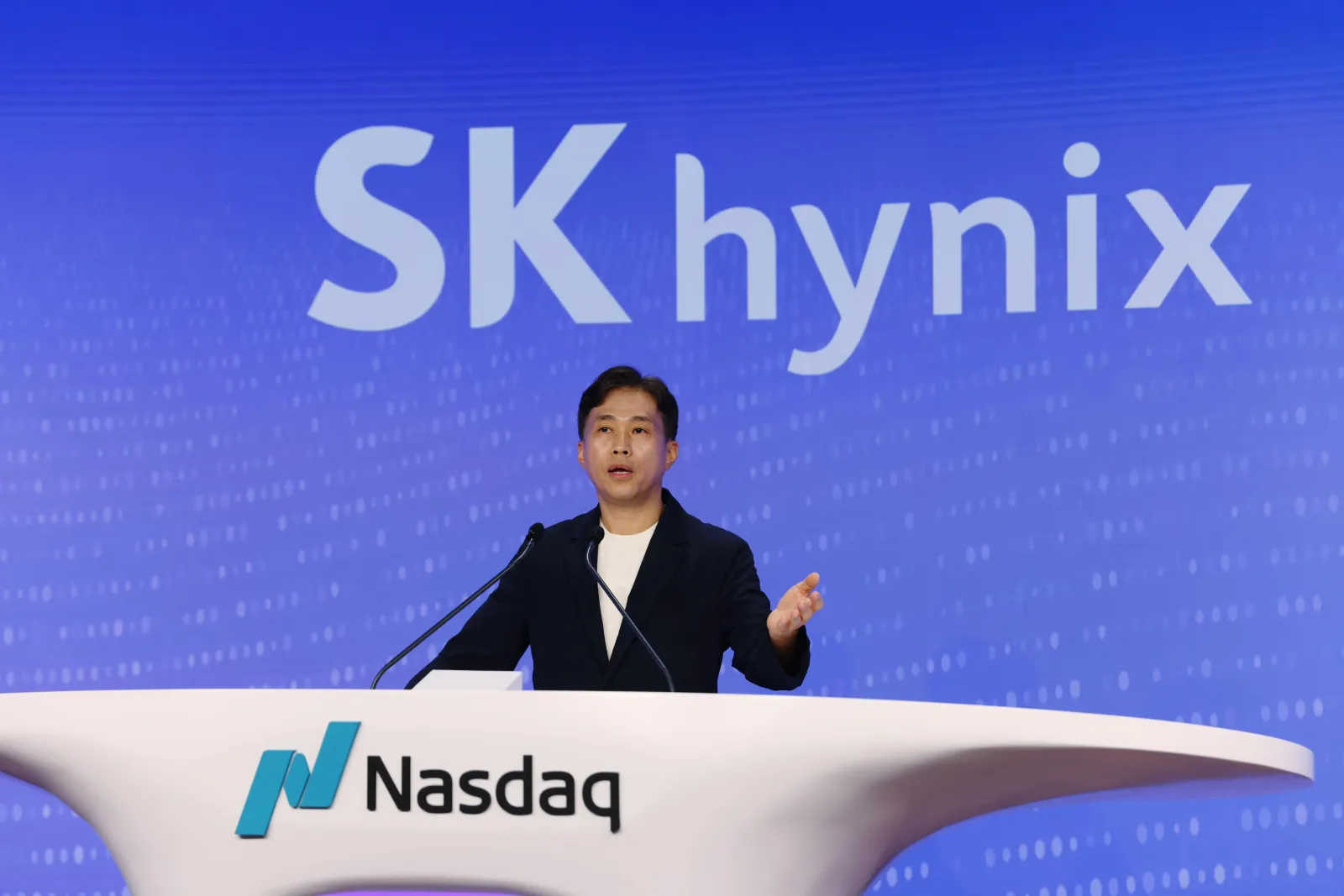
SK Hynix opens at $170, raises $26.5B, and tops foreign IPO records
In Friday's Wall Street debut, SK Hynix turns AI RAM demand into a $26.5B fundraising moment that rewrites comps.