

Tomb Raider: Legacy of Atlantis brings Lara back bigger, bolder, and re-voiced for 2026
The new Lara voice actor says the reimagined 1996 debut is “very much back and bigger, bolder than ever,” at Summer Game Fest 2026.
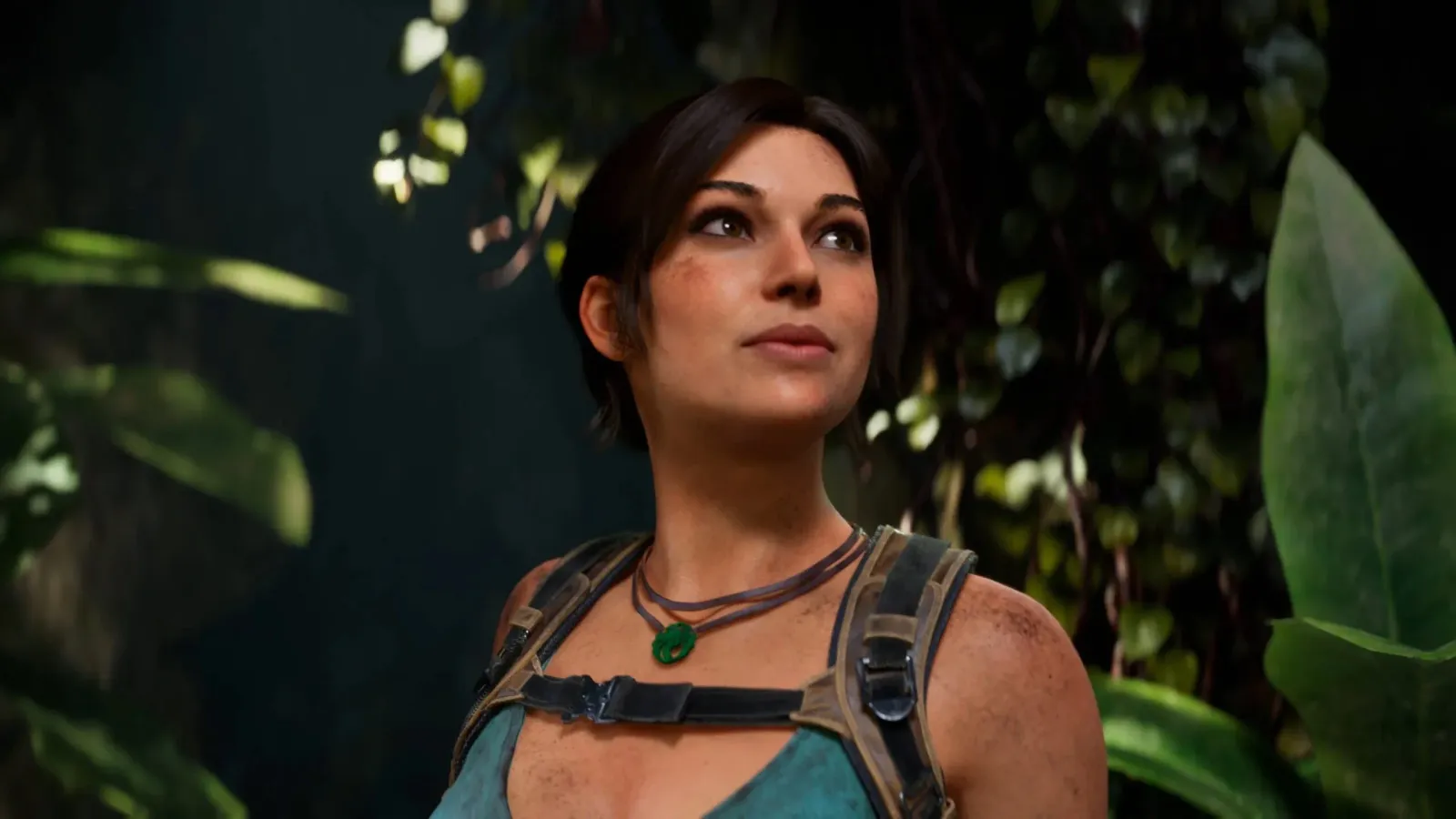
At Summer Game Fest 2026, Lara Croft's new voice actor discussed Tomb Raider: Legacy of Atlantis, a reimagining of the franchise’s 1996 debut first announced at The Game Awards 2025. The update matters for publishers and studios watching how classic IP gets reintroduced with modern performance capture and design.
Lara Croft is stepping back into the spotlight with Tomb Raider: Legacy of Atlantis, and the pitch is unmistakable: the character is “very much back and bigger, bolder than ever,” according to Lara’s new voice actor at Summer Game Fest 2026.
The game itself is a reimagining of the franchise’s genre-defining 1996 debut, originally announced at The Game Awards 2025. And instead of treating the legacy as a museum piece, the premise pushes the reboot energy into the action beats: Lara battles dinosaurs, panthers, and human enemies, then navigates treacherous environments while racing to uncover the secrets at the heart of the adventure.
On the surface, this is classic Tomb Raider fantasy. But for decision-makers in the game industry, the real signal is what “reimagining” means in 2025 and beyond. It is not just updated graphics or a fresh coat of paint on nostalgia. The franchise is being positioned as something that can compete with modern expectations for character performance, player immersion, and the cinematic feel that audiences now treat as baseline.
That is why the voice actor discussion matters. Voice is not a side quest in big-budget character-driven franchises, it is part of the gameplay readability. A new voice performance changes how players interpret Lara’s intent, reactions, and pacing in combat and traversal moments. When a new actor frames the project as bigger and bolder than ever, that is usually shorthand for scope and iteration, not just casting. It suggests the production is treating this as a new play experience built on familiar DNA.
Summer Game Fest 2026 is also an important context point. These showcases function like live market signaling for publishers and creators. When a legacy IP returns in a prominent spot, it competes for attention against new original titles, remakes, and platform-era reboots. That means each detail you can confirm, from the reimagined origin story angle to the types of enemies Lara faces, becomes part of how the market calibrates interest. The “1996 debut reimagined for a new generation” positioning is a clean narrative bridge: it tells longtime fans this is still their Lara, while telling newer players to expect a modernized adventure structure.
And the adventure itself reads like a balancing act, the kind studios manage with careful design and production discipline. The source describes Lara battling dinosaurs, panthers, and human enemies, which implies the game mixes spectacle with grounded threat. Treacherous environments are also called out, which typically means more than pretty set dressing. In Tomb Raider terms, that usually translates into traversal pressure, navigation risk, and environmental storytelling. Then there is the “races to uncover the secrets” framing, which signals a pacing commitment, likely built to keep momentum through exploration and encounters.
The source also references hot character design and performance capture, which is where the second-order implications start to matter for execs. Performance capture is expensive, and it only makes sense when the studio plans to use it in places players will actually feel: character motion quality, facial expression fidelity, and how Lara communicates under stress. If the production is investing here, it is betting that immersion is a competitive advantage, not a tech demo.
For boards and leadership teams, that bet ripples outward. A strong character performance pipeline can reduce the “disconnect tax” that happens when a modern character update fails to land. Conversely, the “back and bigger, bolder” messaging sets expectations that the final product must deliver on both content ambition and feel. In other words, the voice actor quote is not just marketing. It is a commitment signal that the team is trying to convert nostalgia into something playable and current.
The broader market context is that legacy brands have become a high-stakes lever. When studios reintroduce the early chapters of a franchise, they are not only selling the game. They are also selling the franchise’s long-term identity to retailers, platforms, and audiences with shorter attention spans. The way Tomb Raider: Legacy of Atlantis is framed here, as a reimagining of the 1996 debut for a new generation, is a strategic choice: it anchors credibility in its origin while giving itself room to reinvent execution.
So the strategic stake for peers is straightforward. If Tomb Raider can successfully modernize Lara through re-voicing, performance capture emphasis, and a cinematic adventure pitch that includes dinosaurs, panthers, and human enemies, it becomes a template other IP owners will want to borrow. The takeaway is not that everyone should remake the past. It is that the market now rewards legacy updates that change how characters move, sound, and react, not just how they look. And with Tomb Raider: Legacy of Atlantis, Lara’s return is being positioned as exactly that kind of modern reintroduction, right down to the voice.
This story's Key Insights and Take-aways are locked.
Create a free account to unlock Executive Actions for one credit.
Register to UnlockAlways free for Executives Club members. Join the Club
More in Entertainment

Entertainer Russell Brand denies 7 sex charges amid accuser's 'couldn't breathe' claim
The alleged victim's account sharpens the reputational and legal stakes for Brand, his platforms, and any business tied to a public figure under criminal scrutiny.

Russell Brand's accuser 'bewildered and confused' as he denies 7 sex charges
The criminal case against the comedian is a live test of how media companies manage talent risk when serious allegations go public.

'It's a Magic Trick': Ballet Experts Say Rosalía's SNL Pose Is Impossible
Three ballet experts tell Rolling Stone Rosalía's gravity-defying SNL stillness shouldn't be possible - and why the debate is now part of the show.